Heat Lamp for Chicken Coop, Yes or Nope?
The heat lamp for chicken coop question flares up every winter when temperatures drop, and keepers start worrying about frozen combs and shivering birds. Cold weather makes even seasoned chicken parents second-guess what their flock really needs to stay safe. Before plugging anything in, it helps to understand how chickens handle winter and where heat lamps actually fit into the picture.
Winter care works best when decisions come from biology instead of panic. Chickens evolved with impressive cold-weather survival tools that often get underestimated. This debate is less about warmth and more about safety, moisture control, and smart setup choices.
Why the Chicken Coop Heat Lamp Became So Popular
The chicken coop heat lamp trend stuck around because people naturally want to protect their birds from freezing. Early poultry advice leaned hard on artificial heat, especially for chicks and extreme climates. Over time, that advice spilled into adult flock care, even when conditions did not call for it.
Chickens look fragile when snow piles u,p and breath turns steamy. Their fluffed feathers make them appear cold even when they are regulating body heat just fine. That visual triggers the urge to plug something in.
The Real Fire Risk Behind a Heat Lamp for Chicken Coop Use
A heat lamp for chicken coop setups creates multiple fire hazards that are easy to underestimate, especially during long winter months when lamps run nonstop:
Extremely High Bulb Temperatures – Heat lamps operate hot enough to ignite bedding, feathers, dust, or wooden walls with minimal contact
Loose Clamps or Chains – Improper mounting allows lamps to swing, tip, or fall if bumped by a curious hen or shifting bedding
Aging Electrical Cords – Cold weather causes cords to stiffen and crack over time, increasing the chance of exposed wiring and sparks
Bulbs Exposed To Moisture or Dust – Condensation, dust buildup, or sudden temperature changes can cause bulbs to shatter and scatter hot fragments
Highly Flammable Coop Materials – Dry shavings, straw, feathers, and wood framing provide fast-burning fuel once ignition begins
Even lamps that start out securely mounted can fail over time. Winter temperature swings loosen hardware and weaken electrical components, turning a single small failure into a fast-moving coop fire within minutes.

How Chickens Are Built to Handle Cold Naturally
Chickens prepare for winter as daylight shortens. Their bodies grow thicker feathers and adjust metabolism to conserve heat. That natural process works best when temperatures stay consistent.
Artificial heat interferes with that adaptation. Birds kept too warm may not develop full winter plumage. When heat disappears due to power loss, those birds struggle more than cold-adapted flocks.
Ventilation Matters More Than Warmth
A tightly sealed coop traps moisture quickly. Warm breath and droppings raise humidity, which freezes on combs and toes overnight. That moisture is the real enemy in winter.
Good ventilation lets damp air escape while keeping birds dry. High vents remove humidity without creating drafts at the roost level. Dry cold is far safer than warm, damp air.
Bedding Choices That Create Safe Warmth
Deep bedding works like a natural heat source. Layered shavings or straw trap warmth from decomposition and bird movement. This creates gentle temperature stability without fire risk.
Regularly turning and topping bedding keeps it dry and effective. Dry litter reduces ammonia, protects respiratory health, and keeps feet warmer. This method supports winter comfort naturally.
When a Chicken Coop Heat Lamp Is Actually Needed
There are limited situations where a chicken coop heat lamp makes sense. Newly hatched chicks need supplemental heat because they cannot regulate body temperature yet. Adult birds rarely fall into this category.
Extreme climates can also change the equation. Prolonged subzero temperatures combined with wind exposure may require additional measures. Even then, safer heating options should come first.
Safer Alternatives to a Heat Lamp for Chicken Coop Setups
If extra winter support feels necessary, these options add warmth without the fire risk of a traditional heat lamp:
- Flat panel radiant heaters that warm surfaces instead of air
- Heated roost bars that keep feet warm and support temperature regulation
- Deep bedding systems that trap gentle, natural warmth
These choices reduce long term danger while avoiding overheating or disrupting natural feather insulation. Safety stays intact while comfort improves.

Signs Your Coop Does Not Need a Heat Lamp for Chicken Coop
Your flock’s behavior often says more than any thermometer:
- Calm roosting and fluffed feathers overnight
- Steady appetite and normal daily activity
- Bright comb color without darkened tips
- Active, alert behavior in the morning
If condensation appears on walls or windows, moisture is the issue rather than cold. Improving airflow should come before adding any heat.
Signs Your Flock May Need Extra Winter Support
Some signals suggest your setup needs adjustment during colder stretches:
- Persistent lethargy combined with weight loss
- Frostbite appears despite dry, well-ventilated conditions
- Sudden drops in appetite or water intake
Before reaching for a heat source, adjust bedding depth, ventilation, and nutrition first. Small changes often restore balance faster than major interventions.
The Hidden Stress of Artificial Heat
Artificial heat disrupts natural seasonal rhythms. Chickens rely on stable temperatures to regulate hormones and immune response. Inconsistent warmth can increase stress levels.
Stress weakens immunity during a season when birds already work harder. A steady cold environment allows full adaptation. Consistency supports long-term winter health.
Egg Production and the Heat Lamp Myth
Heat lamps do not directly increase egg production. Light exposure matters far more than temperature for laying cycles. Hens need extended daylight rather than warmer air.
Adding heat without addressing lighting rarely brings more eggs. Balanced nutrition and consistent light schedules deliver better results. Warmth alone does very little.

Nutrition as Internal Winter Warmth
Cold weather increases calorie needs. Digestion generates heat and supports overnight warmth. Evening feeding helps fuel that process naturally.
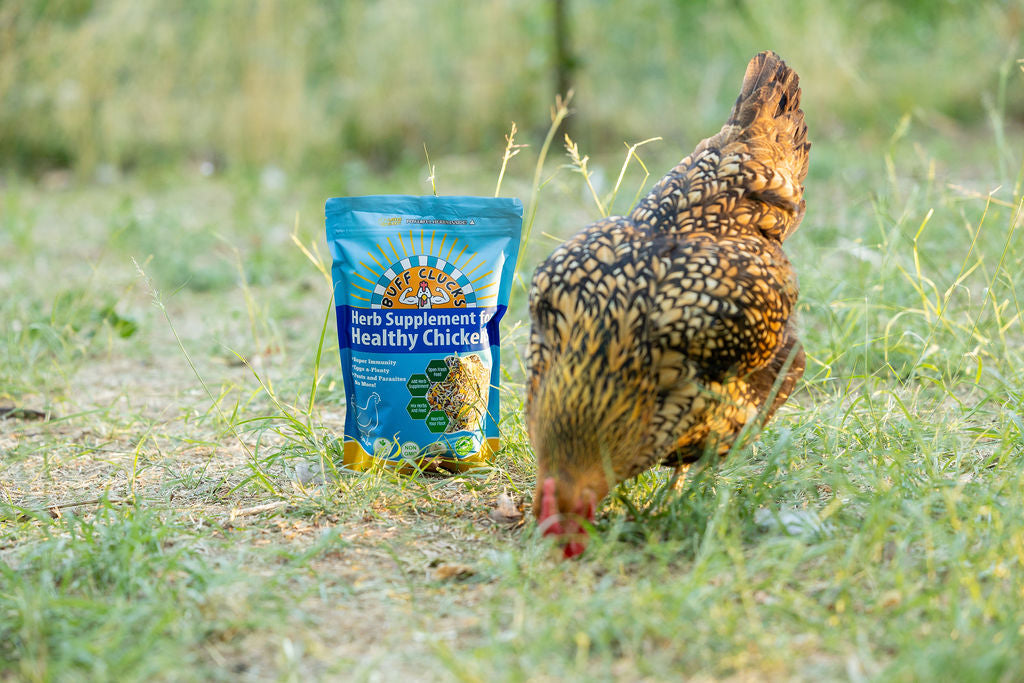
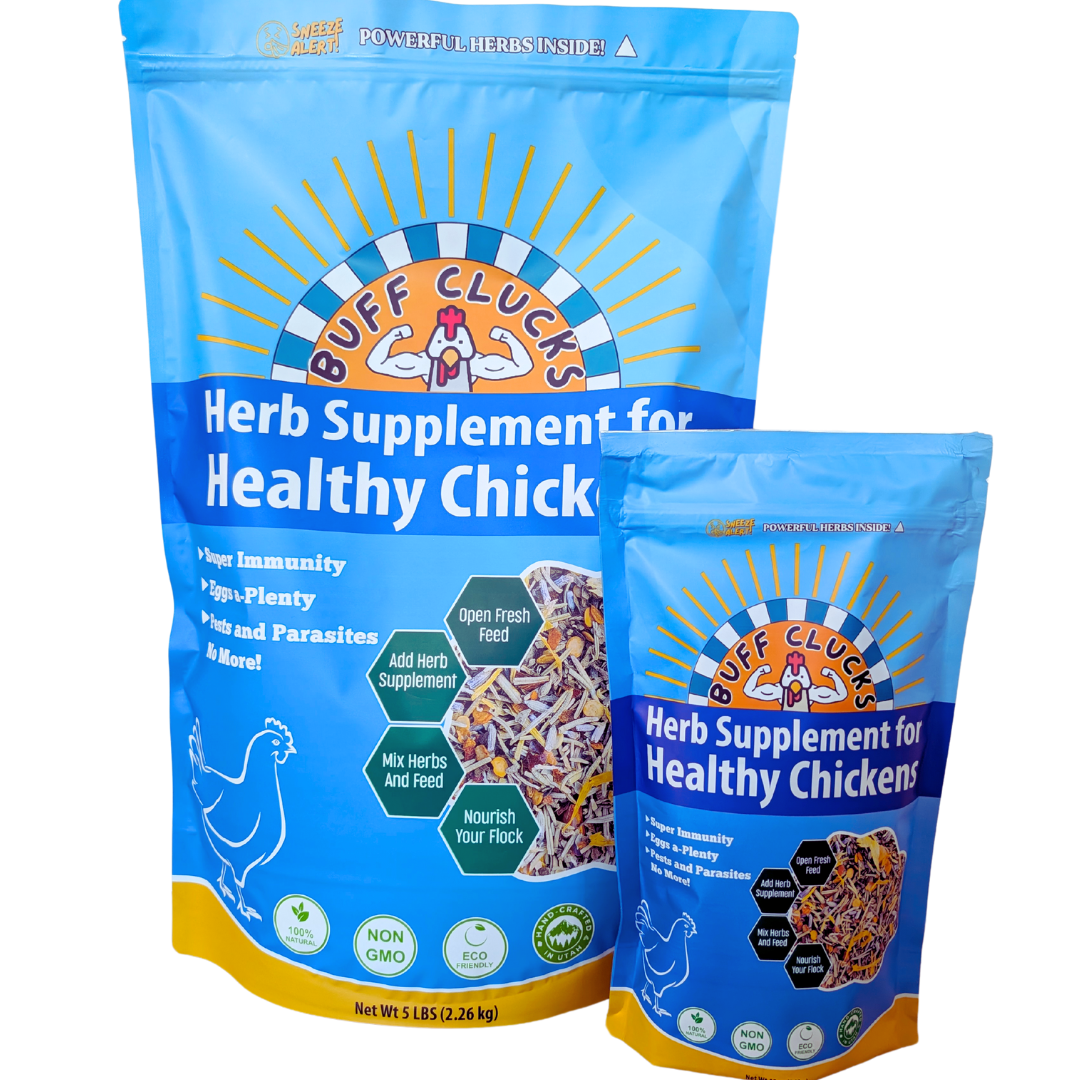
This is where steady nutrition support matters most. A flock already supported with Buff Clucks Herb Supplement absorbs nutrients more efficiently during winter stress. Strong digestion supports internal warmth without electrical risk.
Smart Winter Checklist Without a Heat Lamp
Winter success comes from layered prevention rather than quick fixes. Focus on the fundamentals before adding equipment. These steps matter most when temperatures drop:
- Block drafts at the roost level while keeping high ventilation open
- Maintain deep, dry bedding throughout winter
- Provide extra calories in the evening
- Keep water unfrozen and accessible
- Monitor behavior instead of relying on thermometers
This approach protects birds while keeping the coop safe. Each step builds on the last without introducing fire hazards.
Transitioning Away From a Heat Lamp Safely
Removing a heat lamp abruptly can cause stress if birds rely on it. Gradual changes allow time to adapt. Improve bedding and airflow before reducing heat.
Watch behavior closely during the transition. Calm roosting and steady eating indicate success. Panic or piling usually points to other environmental issues.