Prepare Chickens for Deep Winter With This Survival Checklist
The short answer: Deep winter — January and February — is when cold, frozen water, and energy depletion hit your flock hardest. A focused survival checklist covering water, feed, ventilation, and health keeps your hens safe through the most demanding weeks of the year.
Preparing chickens for deep winter means accepting that January is when winter shows its teeth. After weeks of cold, energy reserves dip, water freezes faster, and small gaps in care suddenly matter more. This January deep winter prep checklist focuses on steady, practical steps that help your flock stay warm, dry, and balanced through extreme cold.
Why January Requires Extra Preparation
Chickens for deep winter face longer cold stretches with fewer mild days to recover. Their bodies burn more calories just to stay warm, which leaves less energy for immunity and feather condition. Because of this, January care needs to focus on conserving energy rather than reacting to problems.
Prepare Chickens for Deep Winter by Managing Drafts
Cold drafts hitting roosting birds steal heat quickly. Seal cracks near the floor and roost level where wind sneaks in unnoticed. Keep ventilation open higher up so moisture can escape without chilling the flock.
Moist air trapped inside a coop increases frostbite and respiratory risk. Balanced airflow keeps birds safer than sealing everything tight.
Bedding Depth That Makes a Real Difference
Once drafts are handled, bedding becomes your next priority. Deep layers of pine shavings or straw insulate birds from frozen ground and absorb moisture. Thicker bedding helps the coop hold warmth naturally.
Stir bedding regularly to prevent damp pockets. Replace wet spots right away. Dry bedding keeps conditions healthier and warmer without added heat.
Roost Setup That Supports Winter Comfort
Prepare chickens for deep winter by checking roost height and design. Roosts should sit above cold floors but below draft zones. Wide, flat roosts allow birds to cover their feet fully with feathers.
Spacing matters too. Crowded roosts increase stress and energy loss. Calm, comfortable roosting supports better rest and stronger immunity.

Water Access During Extreme Cold
Frozen water leads to dehydration faster than many keepers expect. Chickens need water to digest feed and regulate body temperature. Even short water gaps reduce appetite and energy.
Plan ahead by using heated bases or refreshing water multiple times daily. Raising waterers off frozen ground also helps slow freezing.
Feeding Adjustments for Chickens for Deep Winter
Cold weather raises calorie needs significantly. Chickens burn fuel all day and night just to stay warm. Quality feed matters more than simply feeding more.
Stick to balanced layer feed as the base. Add small evening grain portions to fuel overnight digestion. Avoid sugary scraps that create quick spikes and crashes.
Prepare Chickens for Deep Winter With Internal Support
Preparing chickens for deep winter also means helping birds use their food efficiently. Cold stress can disrupt digestion over time. Supporting gut balance helps calories go further.
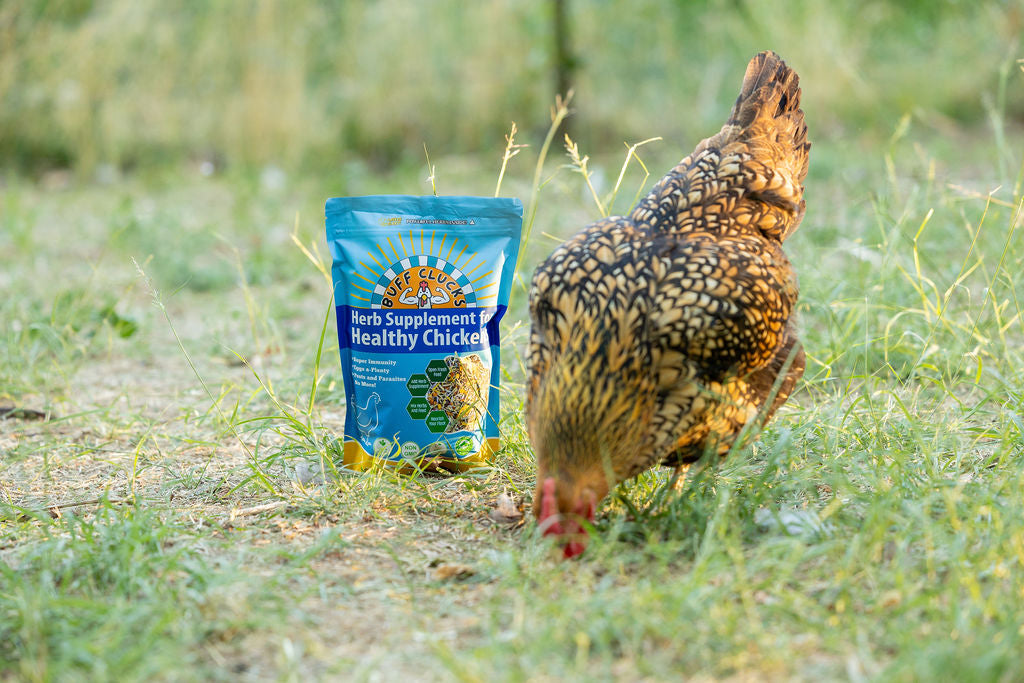
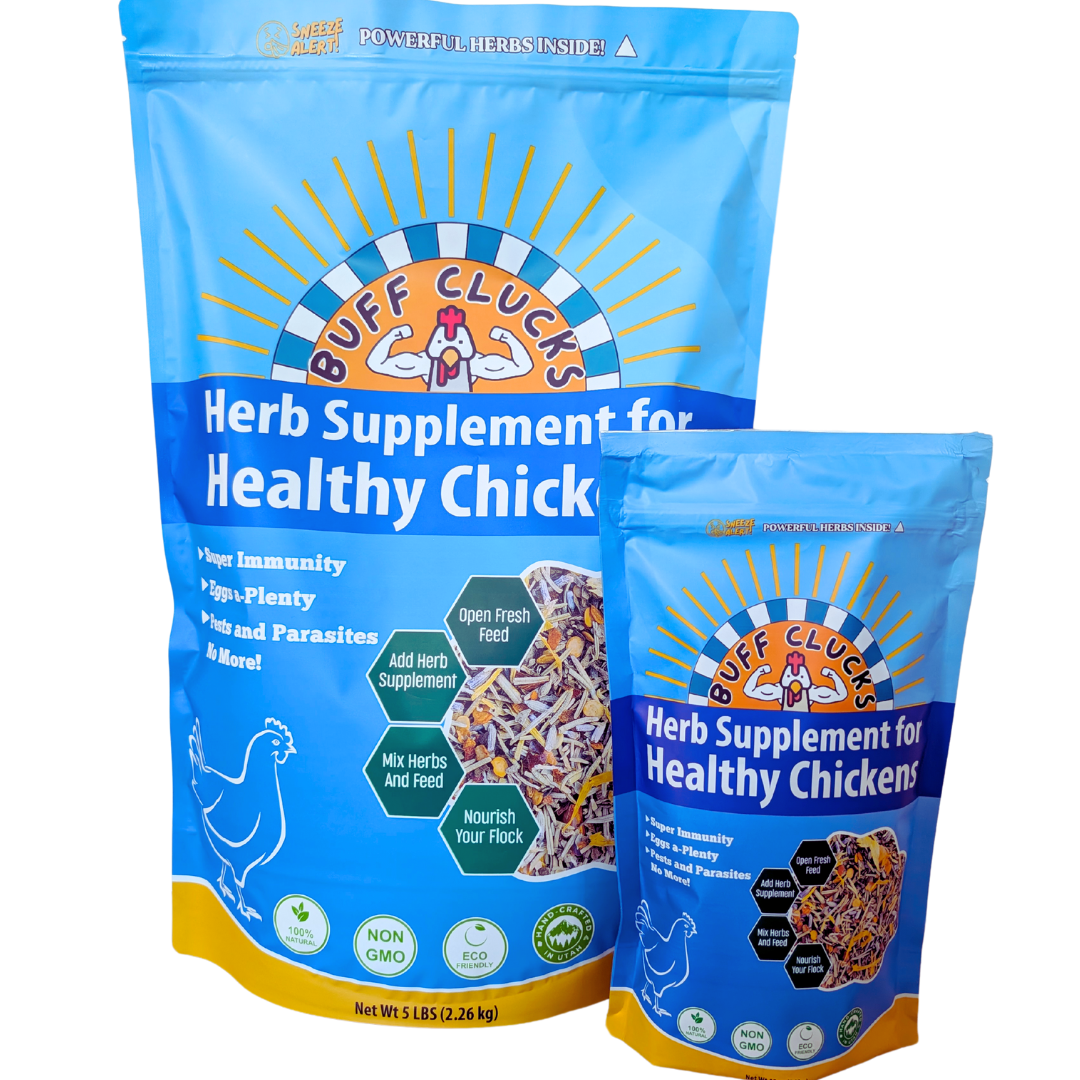
This is where Buff Clucks Herb Supplement fits naturally into winter routines. Mixed into daily feed, it supports digestion and immune balance during prolonged cold without changing your feeding system.
Frostbite Prevention That Works
January brings peak frostbite risk. Moisture on combs and wattles freezes quickly during bitter nights. Dry conditions remain the first and most effective defense.
Focus on ventilation, bedding dryness, and water management. Protective barriers can help during extreme cold snaps, but dryness does most of the work.

Keep Winter Routines Steady
Stress weakens immunity when chickens need it most. Chickens for deep winter do best with predictable routines. Keep feeding times, lighting schedules, and daily checks consistent.
Avoid major changes like flock additions or coop rearranging. Stability helps birds conserve energy for staying warm.
Lighting Choices During the Shortest Days
Daylight hours reach their lowest point in January. Short days naturally signal chickens to conserve energy. Forcing heavy production during extreme cold often backfires.
If supplemental lighting is used, add it in the morning rather than the evening. Gentle wake ups support natural roosting and reduce stress.
Body Condition Checks That Catch Problems Early
Prepare chickens for deep winter by checking body condition weekly. Use your hands to feel the breast muscle and weight, not just feathers. Thick plumage can hide weight loss.
Early adjustments prevent bigger issues later. Regular checks keep small problems from escalating.
Moisture Control Is Essential
Moisture causes more winter trouble than the cold itself. Wet bedding increases ammonia, respiratory stress, and frostbite risk. January requires staying on top of damp areas.
Remove wet spots immediately and add dry bedding as needed. Keep snow and ice from tracking inside the coop.
January Deep Winter Prep Checklist
Use this checklist to stay ahead of extreme cold:
- Seal low drafts and confirm high ventilation
- Deepen bedding and keep it dry
- Adjust roost height and spacing
- Prevent frozen water daily
- Increase calories strategically
- Support digestion and immunity
- Watch combs for frostbite
- Maintain steady routines
- Control moisture aggressively
Each step works together to protect birds during the harshest weeks of winter.
Frequently Asked Questions: Preparing Chickens for Deep Winter
What do chickens need most in deep winter?
In deep winter, chickens need unfrozen water available at all times, increased calorie intake to maintain body heat, dry bedding that insulates the floor, draft-free ventilation to remove moisture, and roost bars wide enough for hens to sit flat and cover their feet with body heat.
How do I keep chicken water from freezing in winter?
The most reliable methods include heated water bases or heated waterers, checking and refreshing water multiple times per day in extreme cold, using black rubber bowls that absorb heat from sunlight, or placing waterers in the warmest part of the coop where bird activity generates some heat.
How much extra feed do chickens need in January?
Most flocks need 10-20% more feed in deep winter. Keep feeders consistently full. Adding a handful of scratch grains in the evening gives hens extra calories to burn through cold nights. Black oil sunflower seeds, mealworms, and healthy fats are excellent calorie-dense supplements during the coldest weeks.
Should I add extra insulation to my chicken coop in winter?
Light insulation in extreme climates can help retain heat, but proper ventilation should never be sacrificed for insulation. A well-insulated but poorly ventilated coop will accumulate dangerous moisture that causes frostbite and respiratory issues. Prioritize a dry coop over a warm one — chickens handle cold far better than damp.
How do I know if my chickens are too cold?
Signs that chickens are dangerously cold include huddling together on the floor, pale or blackened comb tips indicating early frostbite, not eating or drinking, and extreme lethargy. A healthy, well-fed chicken on a proper roost bar can maintain body temperature in most winter conditions without supplemental heat.