How to Make a Dust Bath for Chickens: And Why They Need It
The short answer: Dust bathing is one of the most essential and often neglected aspects of chicken care — it's a chickens' primary method of external parasite control and a significant source of mental wellbeing. Without access to proper dust bathing material, chickens become stressed and vulnerable to mite and lice infestations.
We all know that chickens love a good scratch in the dirt, but did you know that one of their favorite spa treatments is a dust bath? That’s right! Want fancy feathers? Chickens are all about rolling in the dust to keep their plumage clean and pest-free. Let’s dive into the dust and learn how to make the ultimate dust bath for your flock!
Why Do Chickens Need Dust Baths?
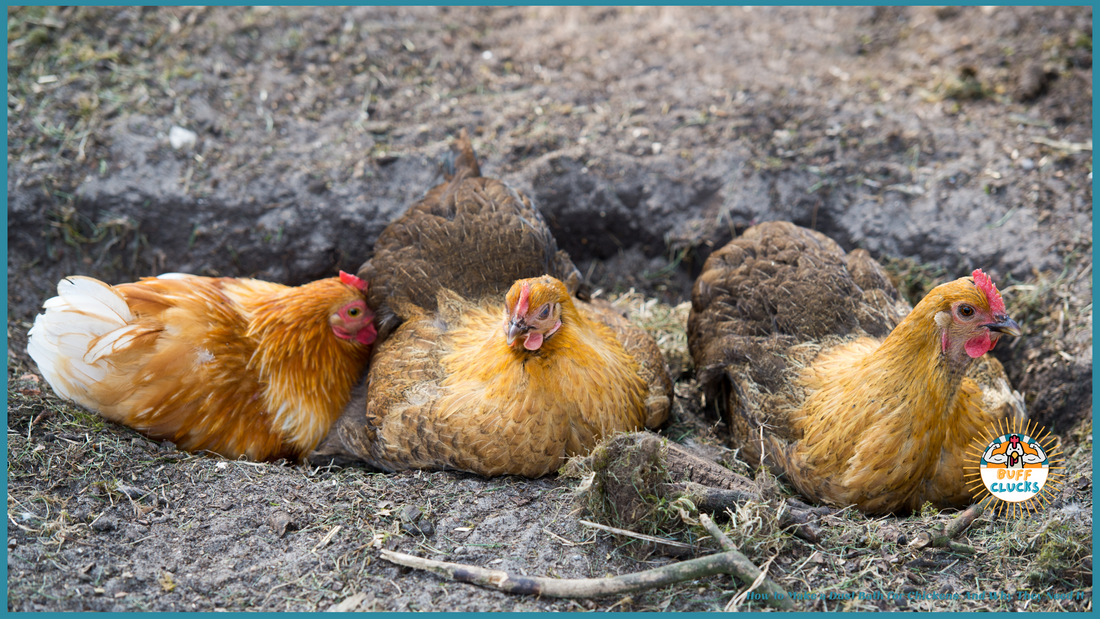
Chickens don’t just roll in the dirt for the fun of it (although let’s be honest, they enjoy it too). Dust baths are an essential part of keeping your flock happy and healthy. Not only does it help remove excess oils and dirt from their feathers, but they also act as a natural exfoliant, keeping your chickens’ skin and feathers in top shape. Think of it as a dry shampoo for chickens.
But the benefits don’t stop at cleanliness! Dust baths are your chickens’ natural defense against pesky parasites like mites and lice. These freeloading critters love to nestle in feathers, but a good dust bath sends them packing. Take a look at the common parasites that dust baths can help eliminate.
Want to give your chickens the ultimate defense? Simply add CoopShield—Diatomaceous Earth and Herbs for Chickens to your dust bath setup. By incorporating diatomaceous earth, you'll not only dehydrate and eliminate parasites, but also provide your girls with a luxurious, pest-free spa experience. Moreover, it's an easy, natural way to keep your flock healthy and happy!

How Do You Create the Perfect Dust Bath for Chickens?
Now that we know why dust baths are essential, let’s break down how to make one your chickens will love. It’s as easy as cracking an egg! If your chickens free range, they will find their own dust bath. If your hens use a run, you'll want to provide a dust bath for them.
Dust Baths for Chickens: Choosing the Right Setup
You can build your dust bath directly in the ground or use a container. The choice is yours! It doesn’t need to be fancy, but it does need to be roomy enough for at least two or three hens to bathe together.
Here are some container ideas:
- An old kiddie pool
- A large rubber tub
- A wooden crate
- Even an unused sandbox
If you’re going the natural route, simply dig a hole in a dry area. Chickens love to dig, but they’ll appreciate a little help getting started. Make sure the hole is about 6 inches deep to give them enough room to work their dust magic.
Where to Put the Dust Bath
Location is everything when setting up a dust bath for your chickens! Before you choose a spot, channel your inner chicken and think like your flock. They’ll love a cozy nook, somewhere near shrubs or trees where they can fluff and roll in peace. Wet, heavy dirt? Hard pass. Pick a spot that stays dry, even after rain, and your chickens will thank you. Think of it as prime real estate: sunny, warm, and sheltered. Additionally, If they’ve already been dust bathing somewhere, give that spot a little upgrade, and they’ll be thrilled with their new-and-improved spa!
Remember, chickens love options. Offering a few dust bath spots lets them choose between soaking up the sun on cool days or chilling in the shade when it’s hot. Whether it's in the coop, enclosure, or out in the free-range area, just keep it away from feeders, waterers, and nesting boxes.
What Do You Put in a Chicken Dust Bath?
Now comes the fun part, filling your dust bath with the right ingredients. It’s like making the perfect recipe, but with dirt!
Start with Construction or River Sand for a Fluff-Friendly Base
Sand is great for dust baths because it’s easy for chickens to fluff and roll in, and it doesn’t clump when it gets damp.

Here’s where CoopShield—Diatomaceous Earth and Herbs for Chickens comes in. Diatomaceous earth (DE) is a natural, non-toxic way to keep mites and lice at bay. Sprinkle a bit into your dust bath mix for a safe and effective parasite buster. Additionally, DE works by drying out parasites and damaging their exoskeletons, leaving your chickens pest-free without the need for any harsh chemicals. A little goes a long way, so sprinkle it in lightly. CoopShield is bolstered by all of Mother Nature's best secretes for natural pest control.
Don’t Forget the Soil: A Natural Staple
Don’t underestimate the power of good ol’ dirt. Adding soil to your dust bath mix helps mimic the natural conditions chickens love. It’s also a great base for scratching and digging.
Enhance with Fragrant Herbs for Health and Wellness
Here’s where we take things up a notch. Adding fragrant herbs not only makes your chickens smell fabulous but also helps boost their health and immune system.
Great herbs to add:
- Lavender - calming and helps repel pests.
- Rosemary - great for respiratory health.
- Lemongrass- keeps those creepy crawlies at bay
Cover the Bath
Want to make sure your dust bath lasts? Consider covering it when your chickens aren’t using it, especially if it’s in a spot prone to rain. A simple tarp or wooden cover will keep it dry and ready for their next spa session. No chicken wants to roll in a soggy mess!

How Do You Maintain a Chicken Dust Bath Properly?
Dust baths aren’t high maintenance, but they do need a little TLC to keep them fresh. Check it regularly to make sure it hasn’t become too compact or dirty. Every few weeks, stir the mix to keep it fluffy, and add fresh CoopShield to keep pests at bay.
Remember, if your chickens are happily using their dust bath, you’re doing it right! For an extra health boost, don’t forget to keep their water fresh and fortified with AquaBoost—Water Supplement for Backyard Chickens. It’s packed with electrolytes and probiotics to support their immune system and keep them hydrated, even after a long, dusty spa day.
Let Your Chickens Shake It Off!
In the pecking order of chicken care, a dust bath is one of the easiest and most effective ways to keep your flock happy, healthy, and parasite-free. So go ahead, pamper your flock with a little DIY dust bath action, and watch them strut their stuff like the queens of the coop they are.
Now, who’s ready for a dust bath party?
Frequently Asked Questions: Chicken Dust Baths
Why do chickens need a dust bath?
Dust bathing is chickens' primary natural parasite control mechanism. Fine particles work into the feathers and against the skin, mechanically killing and dislodging mites, lice, and their eggs. The behavior also maintains feather condition, removes excess oils, and provides significant psychological stimulation and stress relief. Chickens denied regular dust bathing opportunities develop more parasite problems and show signs of frustration and stress.
How do I make a dust bath for chickens?
A basic dust bath can be as simple as a shallow container (kitty litter pan, wooden crate, or designated garden area) filled with fine loose material 4-6 inches deep. Ideal materials include: fine dry dirt or topsoil, construction sand (not coarse beach sand), a mix of both, or commercial dust bath blends. Adding food-grade diatomaceous earth (1-2 cups per 4-6 inch depth) enhances the anti-parasite properties. Keep the bath dry and sheltered from rain.
What should I put in a chicken dust bath?
The best chicken dust bath materials include fine dry dirt, construction sand, or a combination of both as a base. Additions that enhance effectiveness: food-grade diatomaceous earth (damages mite exoskeletons mechanically), wood ash (desiccates parasites and changes feather pH to deter them), dried herbs like lavender, mint, and thyme (natural insect deterrents). CoopShield combines diatomaceous earth with herbal deterrents for a ready-mixed dust bath enhancement.
How often do chickens need to dust bathe?
Given access, chickens dust bathe naturally several times per week — sometimes daily. The frequency is driven by instinct and access, not keeper scheduling. Provide a permanent, always-available dust bath area rather than offering it intermittently. Chickens will self-regulate frequency based on need. Hens denied access for a week or more show noticeably more active and prolonged bathing sessions when access is restored, suggesting they're making up for lost time.
Can I add herbs to the chicken dust bath?
Yes — dried herbs in the dust bath provide additional parasite-deterrent benefits. Lavender, peppermint, thyme, and rosemary all have insect-repelling properties and pleasant scents that keep the bath area fresh. Dried herbs can be simply crumbled and mixed into the dust bath material. Many keepers also hang fresh herb bundles near the dust bath area — chickens will forage the herbs while bathing, combining multiple health benefits in one spot.