How to Improve Winter Egg Nutrition and Keep Egg Quality Strong
The short answer: Winter egg nutrition depends on what your hens eat — and most standard layer feeds don't fully support the deeper yolk color, stronger shells, and consistent laying that's possible with targeted nutritional additions. Improving winter egg quality is largely a feed and supplement problem with straightforward solutions.
Improve winter egg nutrition the moment cold weather rolls in, and you’ll see healthier shells, richer yolks, and hens that power through the season like little feathered champions.
Winter may dull the skies, but it never has to dull your egg basket. Once you understand how temperature dips change nutrient needs, you can fine-tune your flock’s diet so each egg still cracks with confidence.
Cold weather shifts a hen’s priorities fast. She burns more calories staying warm, leaving fewer nutrients for shell strength and yolk color unless you guide her diet wisely. This is where smart care, consistent routines, and a little Buff Clucks magic come together to keep winter egg output shining.
Why Winter Egg Nutrition Needs Extra Attention
Winter egg nutrition plays a huge role in whether eggs come out sturdy or sad. Cold snaps reduce calcium absorption, slow pigment formation, and increase energy demand. When the chicken’s entire body is fighting the chill, egg quality becomes the first thing to slip unless you step in early.
Your hens still want to lay, but they need better fuel to do it well. A few targeted changes make their bodies feel safe enough to keep producing beautifully. Think of this season as the time to upgrade their menu, not just refill it.
Protein Boosts That Improve Winter Egg Nutrition
Protein supports feather insulation, muscle repair, and yolk formation. Winter increases protein demand because hens burn more energy regulating body temperature. Adding nutrient-dense snacks gives them the backup power they need to keep laying through long, cold nights.
GrubFuel is a coop favorite because black soldier fly larvae deliver concentrated protein that turns directly into stronger eggs. You can scatter a small scoop daily for a noticeable difference in yolk vibrancy. The chase alone will entertain your flock enough to warm the entire run.
Calcium and Minerals for Cold-Season Shell Strength
Shell quality depends heavily on calcium, phosphorus, and vitamin D. Shorter days mean less natural sunlight, which slows calcium absorption in a hen’s body. Offering free choice of oyster shell or crushed eggshells fills the nutritional gap without disrupting their regular feed.
Winter layers often need just a little more mineral density to stop those occasional thin shells. A well-balanced layer ratio still does most of the heavy lifting. You simply reinforce it so each egg develops the sturdy structure hens are known for.

Energizing Carbs That Help Hens Stay Warm
When hens get cold, their bodies prioritize warmth over eggs. Evening carbs give them a gentle furnace effect that lasts all night. This keeps their energy stable, so nutrients can return to egg formation where they belong.
Helpful additions include:
- A small handful of oats before dusk
- Cracked corn as an occasional warming treat
- Veggie scraps are full of natural sugars and moisture
These additions support warmth without pushing birds toward unhealthy weight gain. Feed just enough to fuel the overnight chill.
Greens and Pigments That Deepen Yolk Color
Winter removes most natural foraging, which means pale yolks unless you supplement carotenoid-rich foods. These pigments are what paint yolks golden, and hens need steady access to them. Dark leafy greens are the quickest fix and work well even when fresh pasture is long gone.
Kale, spinach, and cabbage add more than color. They offer vitamins A and E that protect egg quality and overall immunity. You’ll notice stronger shells and brighter yolks within weeks of consistent feeding.
Improve Winter Egg Nutrition Through Better Hydration
Dehydration is surprisingly common in winter because chilly weather masks thirst signals. Water thickens when cold, and hens drink less, which reduces nutrient absorption dramatically. Keeping water clean, unfrozen, and appealing directly improves egg size and shell integrity.
AquaBoost can help maintain hydration during freezing conditions. It adds gentle electrolytes that encourage steady drinking even when temperatures bounce unpredictably. Hydrated hens lay better, fuller eggs every time.
Herbal Support That Keeps Winter Eggs Steady
Herbs offer powerful natural compounds that support digestion, circulation, and nutrient absorption. When these systems run smoothly, eggs stay consistent despite cold stress. A strong gut ensures every feathered mouthful becomes usable energy instead of wasted potential.
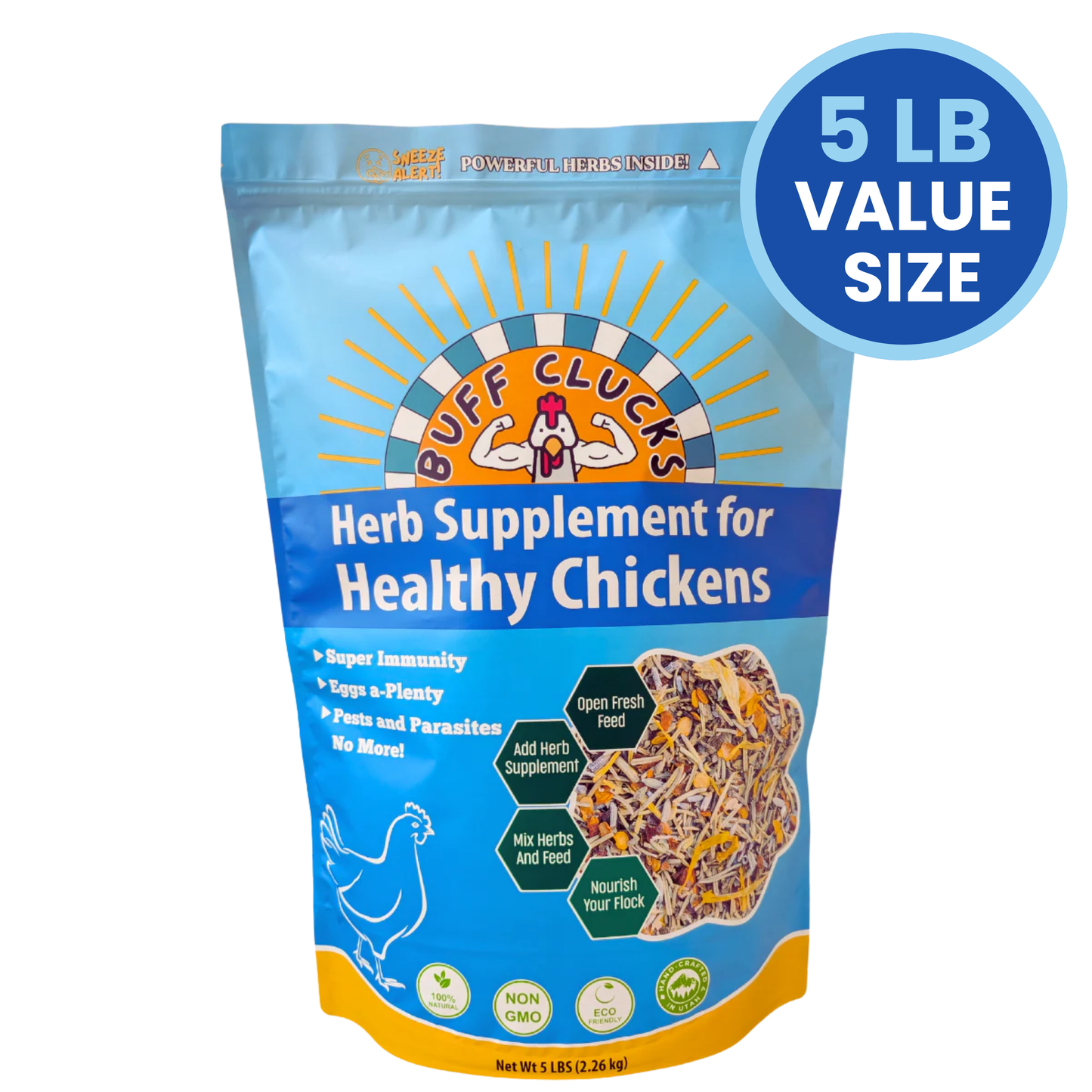
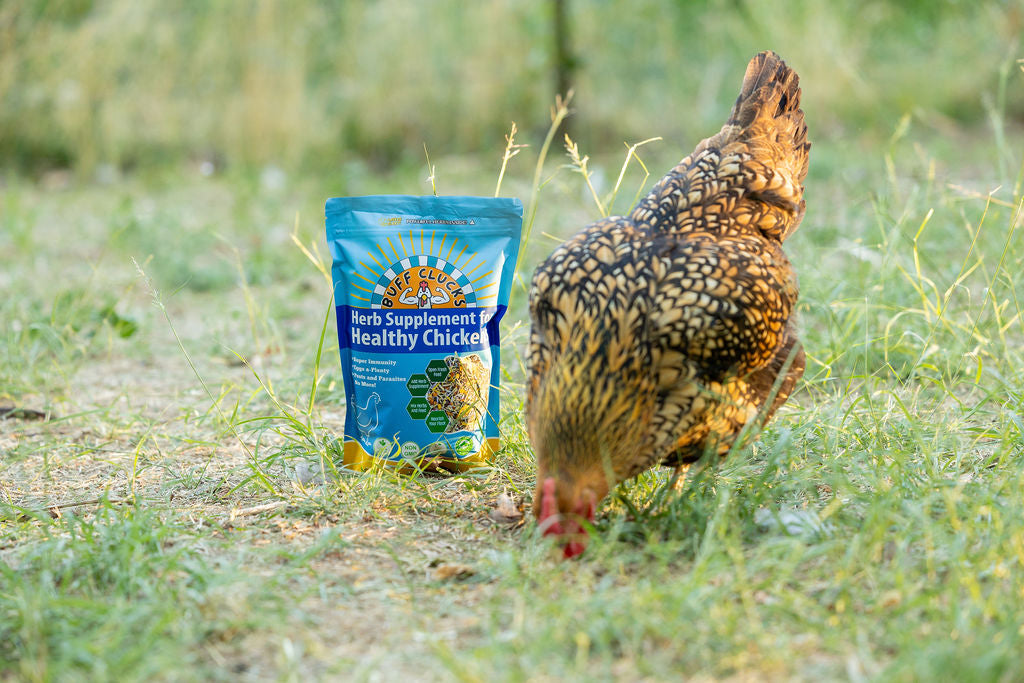
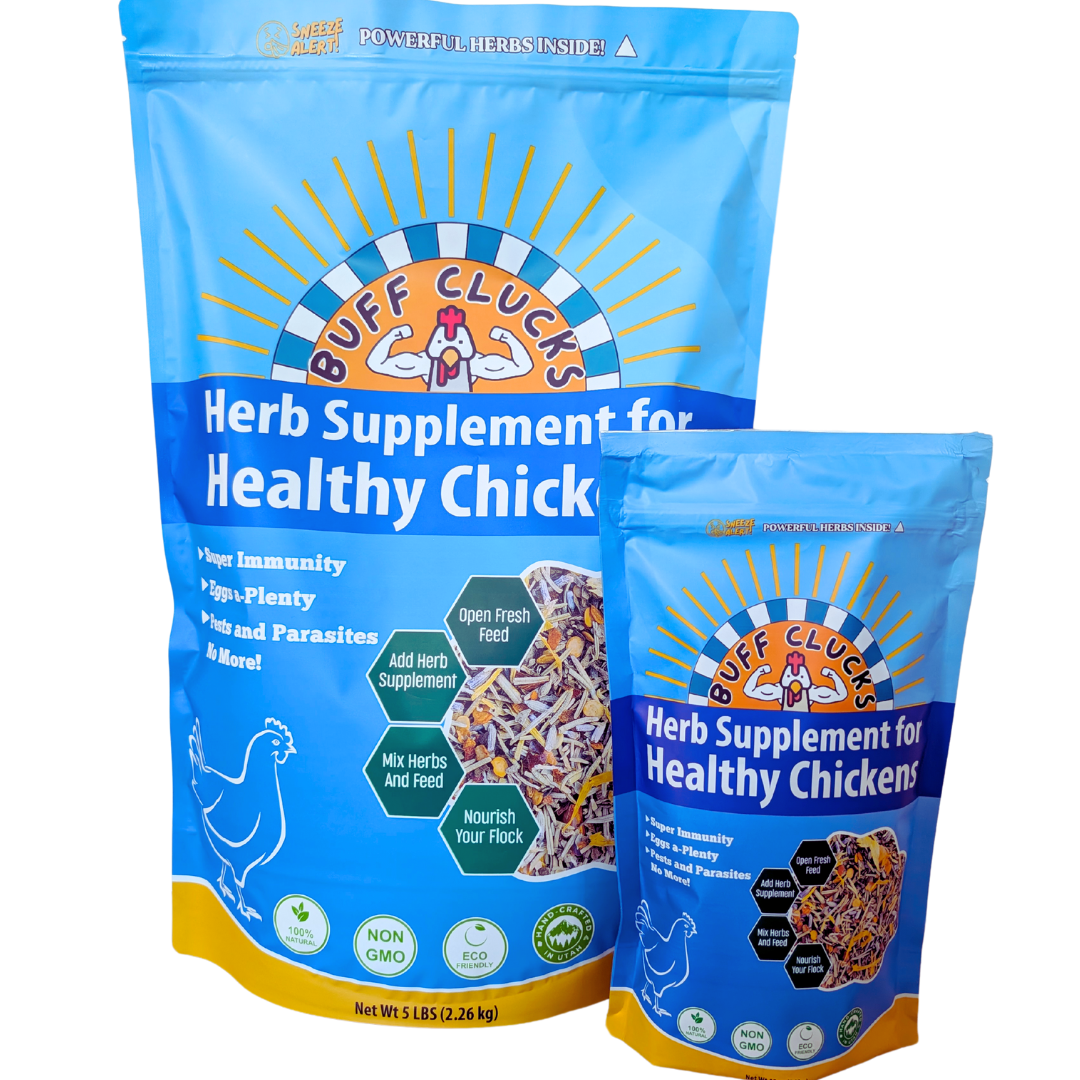
Buff Clucks Herb Supplement delivers oregano, garlic, and rosemary that help your flock stay balanced and efficient all winter. Sprinkle it into feed and let their bodies put every nutrient to work. A little herbal support goes farther than most keepers realize during the coldest months.

Better Coop Conditions Improve Winter Egg Quality
Nutrition is half the equation. Environment fills in the rest. Damp bedding, stale air, and drafty roosts force hens to use nutrients for survival instead of egg development.
Keeping bedding dry and ventilation steady reduces respiratory stress. Adequate roost spacing prevents heat loss and helps hens conserve internal resources. A clean, comfortable coop ensures every dietary improvement actually shows up inside the egg.
Simple Feed Additions That Support Winter Egg Nutrition
Here are easy upgrades that fit into any winter care routine:
- Add a protein snack daily for feather and yolk support
- Offer oyster shells separately for stronger shells
- Mix leafy greens or squash for natural pigments and vitamins
- Keep water fresh, accessible, and full
None of these requires complicated planning. You simply offer consistent nutrients and let hens handle the rest.
When You Should Worry About Winter Egg Changes
Minor changes are normal in winter, but some signs call for intervention. Watch for weak shells that crumble easily, sudden decreases in egg size, or yolks that appear watery. These may signal nutritional deficiencies, dehydration, or stress in the coop.
If diet adjustments don’t improve eggs within two weeks, check for parasites or environmental strain. Balanced winter egg nutrition usually fixes quality issues quickly. Consistency in care is always the strongest tool.
Bringing It All Together for Healthy Winter Eggs
Your flock’s winter eggs depend on smart feed choices, good coop management, and balanced mineral intake. When nutrition stays steady, hens weather the cold without sacrificing production. Their bodies simply need extra support to keep up with the demands of winter living.
If you're ready to give your hens a nutritional edge, this is the perfect time to add Buff Clucks Herb Supplement into your routine. Your hens will absorb nutrients more efficiently, and your carton will thank you in every golden yolk.
Frequently Asked Questions: Winter Egg Nutrition
Why are my egg yolks pale in winter?
Pale yolks in winter are caused by reduced access to pigment-rich foods. In summer, hens forage for insects, grass, and plants that contain xanthophylls — the natural pigments that make yolks deep orange. In winter, foraging stops and commercial feed alone doesn't provide these pigments. Adding calendula, marigold, or herb supplements restores yolk color.
How do I improve egg shell quality in winter?
Thin or soft shells in winter usually indicate calcium or vitamin D deficiency. Ensure hens have access to oyster shell free choice at all times. If hens don't get sunlight in winter, vitamin D supplementation supports calcium absorption. Avoid overfeeding scratch grains, which dilute protein and calcium intake relative to complete feed.
What should I feed hens to improve winter egg quality?
To improve winter egg quality, ensure a high-quality 16-18% protein layer feed as the base. Add black oil sunflower seeds for healthy fats, mealworms or dried insects for protein, herb supplements containing calendula for yolk pigmentation, and free-choice oyster shell for calcium. Fresh greens like kale or spinach add vitamins even in winter.
Does cold weather affect egg quality in chickens?
Cold weather itself doesn't directly reduce egg quality, but the indirect effects do — less foraging, less sunlight, and increased calorie diversion to thermoregulation all reduce the nutrients available for egg production. Well-nourished hens in warm, dry coops maintain egg quality even in harsh winters.
How do herbal supplements help with winter egg production?
Herbal supplements support winter egg production through multiple pathways: oregano and garlic support immune function and gut health (reducing energy lost to fighting illness), calendula and marigold restore yolk pigmentation, lavender reduces stress that suppresses laying hormones, and rosemary supports circulation and overall vitality.