Cold Weather Chicken Pests You Didn’t Expect
The short answer: Cold weather doesn't eliminate chicken pests — mites, lice, and rodents actually seek warmth in your coop during winter, making pest pressure worse than many keepers expect. Proactive winter pest management protects both bird health and coop hygiene through the coldest months.
Cold weather chicken pests sneak into the coop just when you think winter should have scared everything off. The frost might freeze your nose hairs, but mites and lice see the season as a cozy invitation to settle in and snack on your hens. Once you understand how these pests behave, you can keep your flock comfortable, confident, and scratch-free all winter.
Winter flips the script on what most chicken keepers expect because pests behave differently in low temperatures. Instead of disappearing, many hide deeper in bedding, cracks, and warm feathers where humidity collects. A little prevention now keeps your coop running smoother than a rooster on fresh morning corn.
Why Cold Weather Chicken Pests Stick Around
Cold weather slows pests outdoors, but inside the coop, they find the perfect winter getaway. Chickens radiate heat and moisture, which creates micro warm zones where mites and lice thrive. Pests take advantage of slower grooming habits and closer flocking behavior, which makes spreading even easier.
Your flock huddles together for warmth, and that creates ideal pest bridges from bird to bird. These freeloaders love any opportunity to move into soft feathers, pluck nutrients, and cause irritation. Understanding the conditions they prefer gives you a major head start in shutting down their winter plans.
The Most Common Winter Chicken Pests
Even though many pests appear at their peak in summer, winter has its own lineup of uninvited guests. These cold weather chicken pests show up quietly and multiply fast.
Common winter pests include:
- Northern fowl mites that survive by living full-time on your hens
- Lice that continue breeding through cold spells
- Red mites that hide in the coop during the day and feed on sleeping birds
While each behaves differently, they all share one goal, which is stealing your flock’s comfort.
How Cold Weather Changes Pest Behavior
Winter humidity creates a perfect environment for mites to reproduce rapidly. Ventilation naturally decreases as keepers close coop gaps, and that allows moisture to rise into the rafters. Moist air helps mites grip surfaces longer and irritate skin faster.
Your hens also experience slower feather regrowth during cold months, so pests target thin areas like vents, under wings, and necks. This leads to scratching, restlessness, and poor sleep when they already need extra energy to stay warm. Spotting subtle behavior changes early gives you time to intervene.

Signs of Winter Pest Trouble in the Coop
Cold weather chicken pests leave a unique trail, and learning to read those clues matters. Watch for these early signs that your flock may be dealing with unwanted winter guests:
- Dull or ruffled feathers that look uneven
- Scabs or irritation around the vent area
- Restless pre-roosting behavior and frequent scratching
- Pale combs or wattles indicating possible anemia
- Reduced feed intake caused by irritation or stress
- Hens avoiding certain roost spots or acting unusually jumpy
Check roost bars and cracks using a flashlight since red mites hide during the day. Smear a white paper towel along the wooden edges to spot small red streaks or specks. Quick weekly checks keep infestations from building momentum.
Smart Cleaning Habits That Keep Winter Pests Away
A clean coop becomes your strongest winter defense. Removing moist bedding stops pests from gaining footholds and keeps ammonia down at the same time. Rotate bedding every few days to prevent hidden pest clusters from growing unnoticed.
Use CoopShield in dust baths and bedding to create a dry, comfortable environment that pests dislike. This herbal blend encourages natural preening, reduces irritation, and keeps the coop smelling fresh. Consistency is the secret weapon because pests thrive on neglected corners.
Ventilation Helps Limit Cold Weather Chicken Pests
Ventilation seems scary in winter, but it is essential for stopping pest explosions. High vents allow warm, damp air to escape instead of collecting where mites hide. Lower drafts should stay sealed, but upper airflow is your best friend.
Air exchange prevents condensation from forming on walls and roosts, and dry surfaces are less attractive to pests. Adjust vents so fresh air circulates without chilling your hens. Small improvements in airflow make a large difference in pest prevention.
Dust Baths Help Birds Fight Chicken Pests Naturally
Chickens rely on dust baths as their natural pest control spa. During winter, outdoor dust areas often freeze or turn muddy, so indoor alternatives matter. Fill a shallow bin with dry soil, wood ash, and a sprinkle of CoopShield to enhance effectiveness.
Dusting keeps feathers clean and makes it harder for mites to cling. It also gives hens a winter activity that reduces boredom and stress. A flock that dusts regularly tends to stay healthier overall.

Nutrition and Immunity Influence Pest Resistance
Healthy birds fight off pests more easily than stressed ones. Winter already taxes the immune system, so balanced nutrition plays a key role in keeping skin strong and feathers glossy. Adequate protein, minerals, and clean water help birds repair damaged tissue if pests manage to bite.
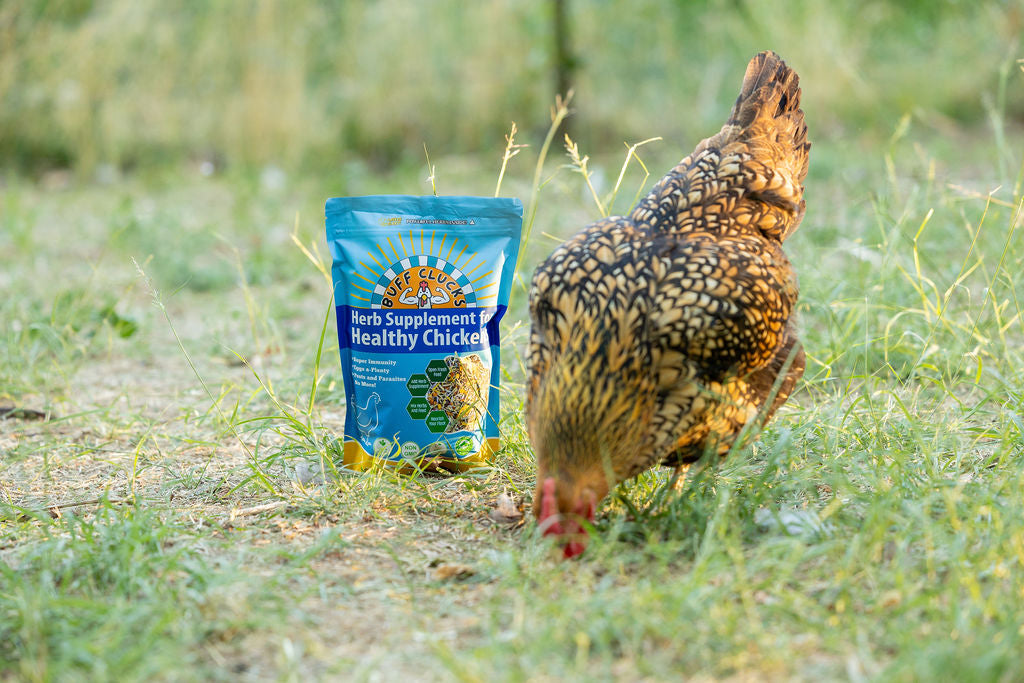
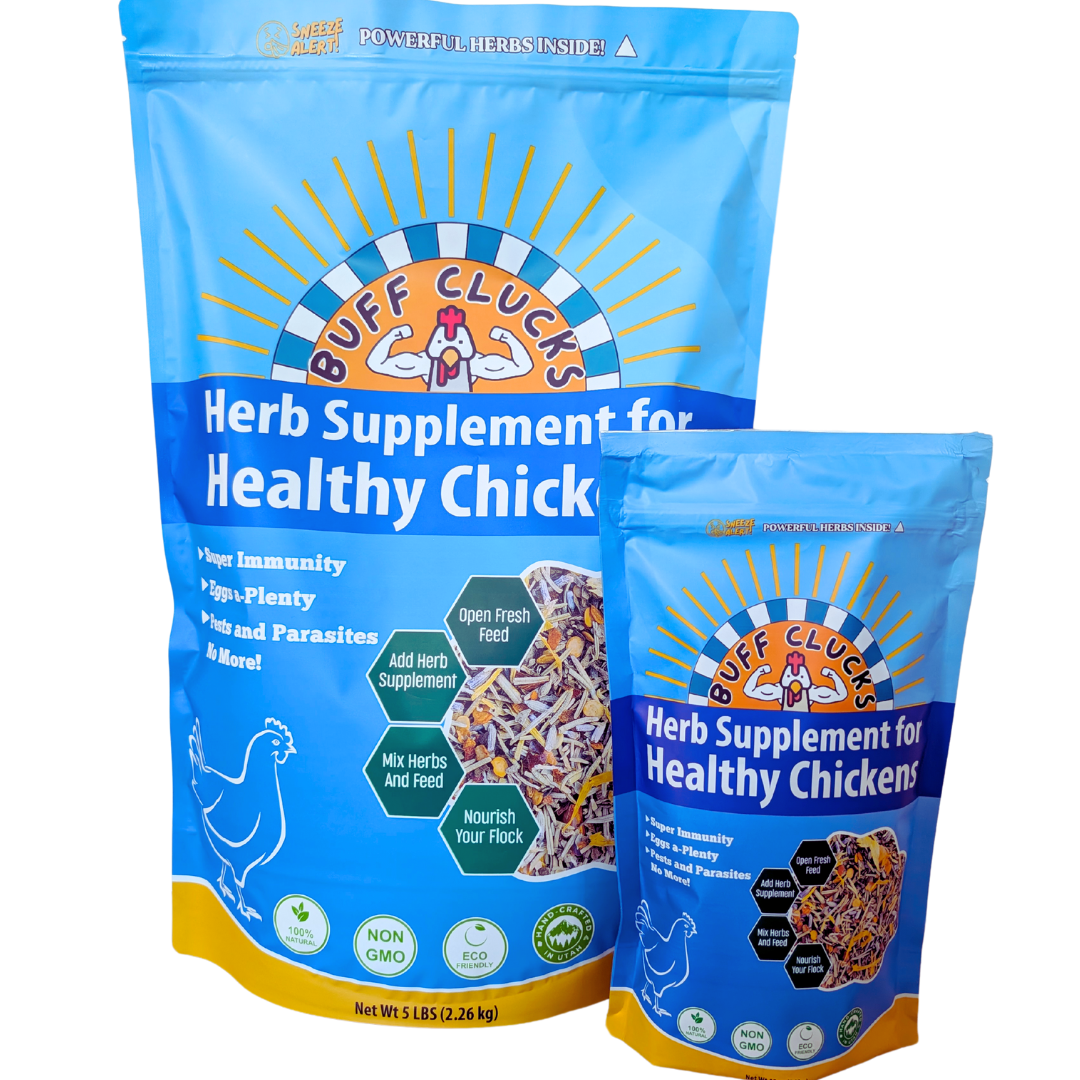
A strong gut improves nutrient absorption, which indirectly boosts skin health and makes birds less appealing hosts. Adding Buff Clucks Herb Supplement to daily feed supports digestion and circulation, giving hens the internal boost they need during stressful cold months. Small daily habits lead to big improvements over time.
Internal Parasites Still Matter When Temperatures Drop
Just because the ground is frozen doesn’t mean internal chicken pests disappear. Worm eggs survive in bedding and soil, waiting for a warm host to pass by. Birds spend more time indoors in winter, which increases exposure to contaminated droppings.
A monthly seven-day routine of WormStop supports gut health and helps eliminate internal parasites safely without egg withdrawal. Its blend of garlic, pumpkin seed, oregano, and wormwood complements winter nutrition while protecting your flock’s energy levels. Cleaner digestion supports better feather condition, which naturally discourages mites and lice.
When to Take Action Against Cold Weather Chicken Pests
Intervene early if you see anemia, pale combs, or hens avoiding roosts. Birds experiencing heavy pest pressure often isolate themselves and lose interest in dust bathing. These signs mean your flock needs hands-on support quickly.
A short treatment routine paired with cleaning resets the coop environment. Focus on bedding, roosts, nesting boxes, and the birds themselves for best results. Quick action protects your flock before pests gain a seasonal foothold.
Bringing It All Together for a Pest-Free Winter
Cold weather chicken pests are sneaky, but you can outsmart them with a simple plan. Keep bedding dry, vents open, birds dusting, and nutrition steady. Add weekly checks and a few winter tweaks, and your hens will stay comfortable through every cold snap.
A smooth transition into winter also includes supporting both the coop and their gut health. If you want to keep pests from calling your hens home, now’s the perfect time to explore WormStop and CoopShield as your winter defense duo. Your flock will feel the difference long before spring arrives.
Frequently Asked Questions: Cold Weather Chicken Pests
Do chicken mites die in winter?
No — chicken mites do not die in winter. Red mites in particular survive cold temperatures in a dormant state inside coop cracks and crevices, becoming active again when temperatures rise or when near warm birds. Lice remain active year-round on the host bird's body and are not affected by outdoor temperatures.
Why are chicken pests worse in winter?
Winter concentrates pests and their hosts together. Chickens spend more time indoors, spreading mites and lice more easily between birds. Rodents seek warmth and food in coops during cold months. Reduced air circulation in sealed coops creates humid conditions that many pests thrive in.
How do I check my chickens for mites in winter?
Inspect chickens at night with a flashlight — red mites live in coop crevices during the day and feed on birds at night. Check under wing feathers, around the vent, and at the base of feathers near the skin. Look for tiny moving red or brown dots, or white mite eggs clustered at feather bases.
What is the best natural treatment for chicken mites in winter?
Diatomaceous earth and herb-based powders like CoopShield applied to nesting boxes, dust bathing areas, and roost bars are effective natural treatments. Apply to birds' feathers focusing on vent and under-wing areas. Deep clean and replace bedding during active treatment to remove eggs from the environment.
How do I keep rodents out of my chicken coop in winter?
Seal gaps larger than a quarter inch in coop walls and floors. Store feed in metal containers with tight lids. Clean up spilled feed daily. Use hardware cloth instead of chicken wire for any openings. Natural deterrents like peppermint oil or CoopShield containing peppermint can discourage rodents from entering.