Chicken Behavior Changes in Winter Explained
The short answer: Chickens behave differently in winter — spending more time roosting, eating more, foraging less, and sometimes pecking or huddling. Most of these changes are completely normal seasonal adaptations, but a few signal problems worth addressing.
Chicken behavior changes in winter start showing up long before the first snowflake hits the ground, and your flock wastes no time throwing winter-level attitude. Shorter days, colder air, and less outdoor fun combine into one big seasonal grump-fest. Understanding what triggers these shifts helps you keep the peace and prevent the winter blues from taking over the coop.
Cold weather slows everything down, from metabolism to foraging habits, and that naturally affects mood. Chickens rely on daylight to regulate hormones, so when sunshine disappears, their patience often disappears with it. Winter might be rough, but smart management turns cranky hens into calm, cozy queens.
Why Chicken Behavior Changes in Winter Happen So Quickly
Light controls almost every rhythm in a chicken’s body, including hormones tied to laying, energy, and social behavior. When daylight drops, hens produce less serotonin, the feel-good hormone that keeps their mood steady. Less serotonin means more squabbles, more pacing, and more dramatic side-eye from the roost.
Cold temperatures add another layer of stress by diverting energy toward staying warm. Instead of scratching around the yard, chickens conserve heat and remain more stationary, which increases boredom. You end up with a flock that feels stuck indoors for months, and the cabin fever gets real.
Common Chicken Behavior Changes That Show Up in Winter
Most winter frustrations fall into predictable patterns, and learning them makes the season much smoother. Many keepers notice increased vocalizing, pacing, or birds acting standoffish with flockmates. Others see sudden clinginess, retreating behavior, or general laziness that wasn't present during warmer months.
Here are the most common winter mood swings you’ll spot:
- Extra pecking or short tempers
- Reduced activity because of cold stress
- Loudly complaining when routines shift
- Restlessness during a long indoor day
- Declines in egg enthusiasm
These patterns are normal but should still be managed to prevent escalating flock drama.

Winter Boredom
Boredom is the number-one cause of midwinter meltdowns, especially when free-ranging decreases. Chickens thrive on movement and stimulation, so when the ground freezes and the run turns quiet, they look for something else to entertain them. Unfortunately, that something often becomes something else.
Simple enrichment transforms coop energy fast. Hanging vegetables or scattering scratch inside bedding encourages natural foraging and keeps beaks busy. You can even rotate boredom breakers every few days to keep things interesting, since routine variety smooths out cranky behavior almost instantly.
Stress
Winter stress doesn’t always look dramatic from the outside, but it affects everything from eating habits to flock harmony. A stressed chicken redirects immune and digestive energy into survival mode, which leads to irritability and irregular behavior. When the entire flock feels that shift, conflict spreads quickly.
Providing a predictable routine and a calm environment helps regulate their stress response. Maintaining clean bedding, dry roosts, and consistent feeding keeps the nervous system steady. Emotional stability sounds funny for chickens, but winter demands it.
Nutrition
Nutrition plays a direct role in mood, especially in colder months when energy demands increase. Birds need more calories for warmth, plus digestible protein to keep metabolism running smoothly. When nutritional gaps appear, mood swings often follow.
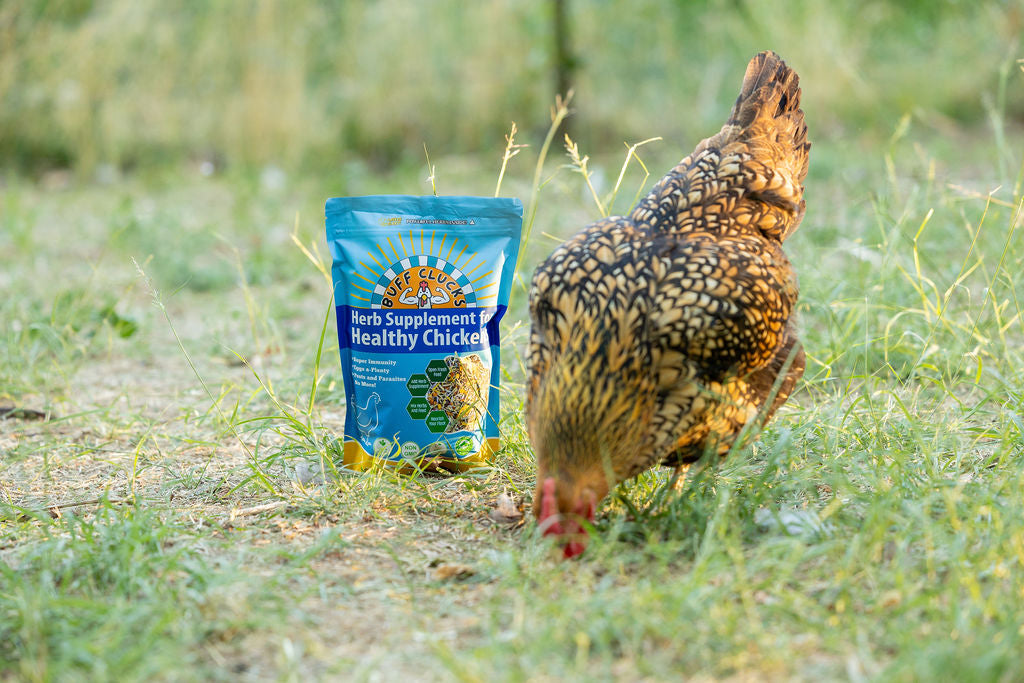
A healthy gut promotes steady behavior because nutrient absorption influences hormones tied to calmness and energy. This is where a high-quality feed routine makes a real difference all season long. A smooth transitional boost comes from sprinkling in Buff Clucks Herb Supplement, which supports digestion and nutrient absorption so birds feel balanced instead of frazzled.
The Social Side of Chicken Behavior Changes in Winter
The pecking order gets more complicated during winter because confined spaces push birds closer together. Limited movement can exaggerate dominance behaviors and make small squabbles feel bigger. Even well-behaved hens may suddenly act bossy when they’re stuck inside for long stretches.
Extra feeders and waterers prevent crowding, which reduces competition-based aggression. Providing multiple perching spots also gives lower-ranking hens safe places to retreat. Space equals peace in the social world of chickens, especially during the coldest months.

Environmental Triggers
Coop conditions play a major role in winter mood management. Damp bedding, trapped ammonia, and drafts all make chickens uncomfortable, and discomfort leads to attitude. Birds spend more time inside, so air quality matters even more than usual.
Simple changes like improving ventilation, spot cleaning droppings, and keeping the floor dry make noticeable differences in temperament. A healthy environment removes stressors before they turn into behavioral problems. Consistency keeps the coop feeling like a safe haven rather than a winter challenge course.
Easy Ways to Soothe Chicken Behavior Changes in Winter
Winter doesn’t require dramatic coop remodels to improve flock behavior. Small adjustments quickly transform grumpy energy into calm contentment. Focus on warmth, enrichment, and maintaining routine, so birds have a predictable structure.
Here are practical winter behavior boosters:
- Rotate enrichment to prevent boredom
- Keep the coop bright using safe supplemental lighting
- Offer high-protein snacks to support energy
- Ensure roosts stay dry and comfortable
- Add windbreaks to outdoor areas so hens can explore longer
Each action reduces stress at the source, which directly improves mood and social balance.
When Chicken Behavior Changes Signal a Bigger Issue
Some winter behaviors are normal, but certain signs suggest something more serious. Birds that isolate themselves or lose weight may be responding to infection, parasites, or respiratory irritation. Other warning signs include sudden aggression from normally peaceful hens or birds refusing to eat.
Monitoring flock behavior helps you catch health problems early. Regular checks of droppings, posture, and feather condition provide clues before issues escalate. When in doubt, separating the affected bird for observation gives space to assess root causes.
Bringing It All Together
Chicken behavior changes in winter are normal, manageable, and often preventable with strategic care. Light shifts, cold temperatures, and reduced activity all influence mood, but they don’t have to control your coop. By supporting nutrition, environment, and enrichment, you set the stage for a calm winter season.
Balanced routines keep hormones steady, and clean spaces prevent unnecessary stress. Even small improvements create big changes in flock behavior. Winter might test your chickens’ patience, but your guidance ensures they pass the season with confidence and plenty of cluck.
Frequently Asked Questions: Chicken Behavior Changes in Winter
Why do chickens act differently in winter?
Winter behavior changes in chickens are driven by reduced daylight, cold temperatures, and confinement. Shorter days suppress hormones that regulate laying and activity. Cold weather increases caloric needs and encourages roosting. Less outdoor access concentrates the flock in a smaller space, which can amplify social tensions.
Is it normal for chickens to roost more in winter?
Yes — increased roosting in winter is completely normal. Chickens naturally conserve energy by roosting more when temperatures drop and daylight shortens. Concern is warranted only if a hen is roosting excessively while also showing signs of illness: not eating, ruffled feathers, or lethargy beyond normal winter slowdown.
Why do my chickens start feather pecking in winter?
Feather pecking increases in winter primarily due to boredom and confinement. When hens cannot forage and free-range naturally, they redirect that energy onto each other. Solutions include enrichment activities, ensuring adequate space, and checking for nutritional deficiencies like low protein that can drive feather-eating behavior.
Why do my chickens huddle together in winter?
Huddling is a normal thermoregulation behavior — chickens share body heat to stay warm. Light huddling on roost bars is healthy and expected. Huddling on the floor, away from roosts, may indicate the hens cannot access roosts, are being bullied off them, or are experiencing something that makes roosting uncomfortable.
Do chickens get depressed in winter?
Chickens don't experience depression the way humans do, but confinement, reduced stimulation, and social tension during winter can cause stress behaviors. Enrichment activities, consistent care routines, and herbal support help maintain flock wellbeing through winter.