January Chicken Flock Expectations and What’s Actually Normal
January chicken flock expectations can feel a little unsettling because this month highlights every seasonal slowdown at once. The excitement of fresh eggs fades, behavior shifts quietly, and your flock seems more focused on survival than productivity. Understanding what January normally brings helps you stay confident instead of questioning every change you see.
January Chicken Flock Expectations for Daily Behavior
January behavior looks slower by design, not by accident. Chickens wake later, move less, and spend more time perched to conserve warmth and energy. This calmer rhythm protects their bodies during the coldest stretch of winter.
Outdoor activity still happens, just in shorter bursts. Birds scratch, explore briefly, then settle again instead of roaming all day. A quieter coop during January usually means your flock is adapting exactly as nature intended.
Chicken Flock Expectations for Egg Production in January
Egg production typically reaches its lowest point in January, even for dependable layers. Short daylight hours reduce the hormones that trigger laying, while cold temperatures redirect calories toward staying warm. This combination naturally presses pause on the egg basket.
Some flocks still lay a few eggs each week, while others stop completely. Neither scenario signals failure or poor care. Once daylight increases, egg production restarts gradually without intervention.
Feather Condition and January Chicken Flock Expectations
Feathers often look rough or uneven in January, especially for birds finishing late fall molts. New feathers can appear dull at first until oils redistribute and insulation improves. Minor patchiness usually resolves on its own as growth completes.
Cold weather exposes nutritional gaps more clearly. Adequate protein and minerals support feather strength and warmth. Consistent feeding matters more than frequent changes during this stage.

Appetite Changes You’ll Notice This Month
January brings an increase in feed consumption even though activity drops. Chickens burn extra calories simply maintaining body heat, especially overnight. Empty feeders appear faster for good reason.
Balanced nutrition remains the priority. Occasional protein boosts support warmth without overloading digestion. Many keepers add GrubFuel – Black Soldier Fly Larvae for Chickens during extreme cold to support muscle energy and feather maintenance without turning treats into a crutch.
January Chicken Flock Expectations Around Social Behavior
Colder weather pushes birds indoors more often, which tightens living space. Mild squabbles near feeders or roosts become more common as personal space shrinks. These moments usually stay brief and predictable.
Extra feeders and clear roost access reduce tension quickly. Once birds regain outdoor time later in winter, social balance settles again. January tension rarely lasts beyond the season.
Water Intake and Winter Hydration Habits
Chickens often drink less water in January, even though hydration stays critical. Cold temperatures suppress thirst, and frozen waterers make access inconsistent. Dehydration can quietly impact digestion and egg production.
Consistent access matters more than how much they drink. Some keepers rotate AquaBoost during cold snaps to support hydration when intake dips. Electrolytes help maintain balance without changing routines.
Health Signs to Watch During January
January does not usually cause illness but reveals existing weaknesses. Persistent lethargy, weight loss, or fluffed feathers that never settle deserve attention. These signs point beyond seasonal rest.
Ventilation issues show up quickly in winter. Moisture buildup increases ammonia and respiratory stress even in cold-tolerant birds. Dry bedding and airflow protect health more effectively than added heat.
Parasites and January Chicken Flock Expectations
Parasites remain active year-round, even when insects disappear. Winter confinement increases exposure risk, especially for internal parasites. Subtle signs include pale combs, reduced appetite, or poor weight maintenance.
Many keepers use WormStop – Natural Dewormer for Chickens as part of a winter prevention routine instead of waiting for visible problems. Gentle consistency aligns well with seasonal care and avoids midwinter surprises.

Nutrition Focus for a Steady January
January nutrition centers on efficiency rather than abundance. Feed quality supports energy, immune health, and shell strength even when eggs slow. Minerals and protein still matter despite reduced laying.
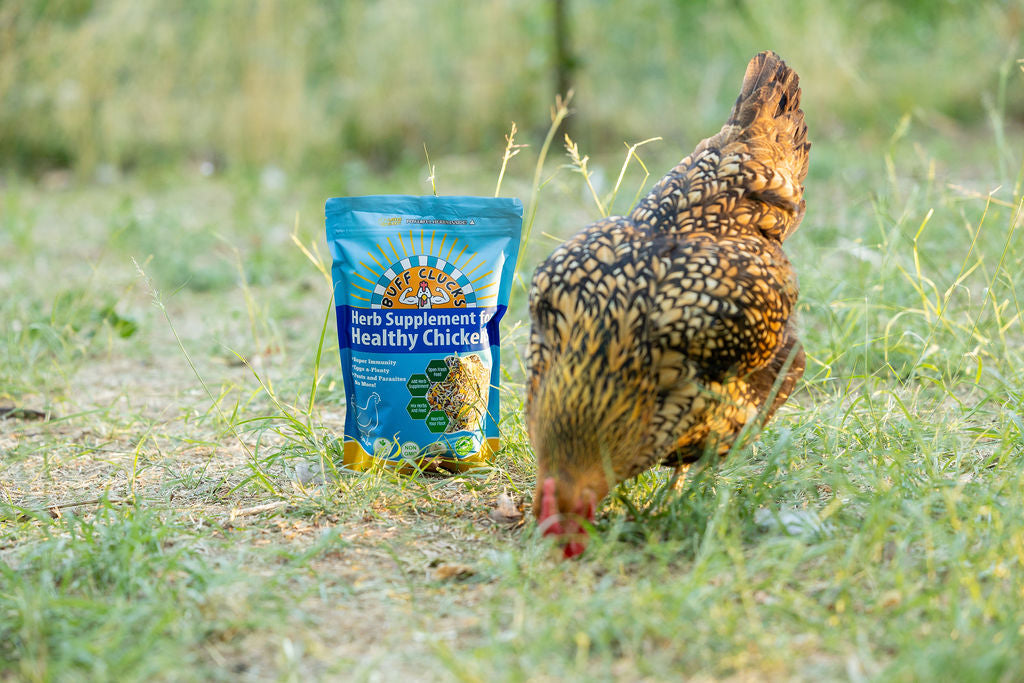
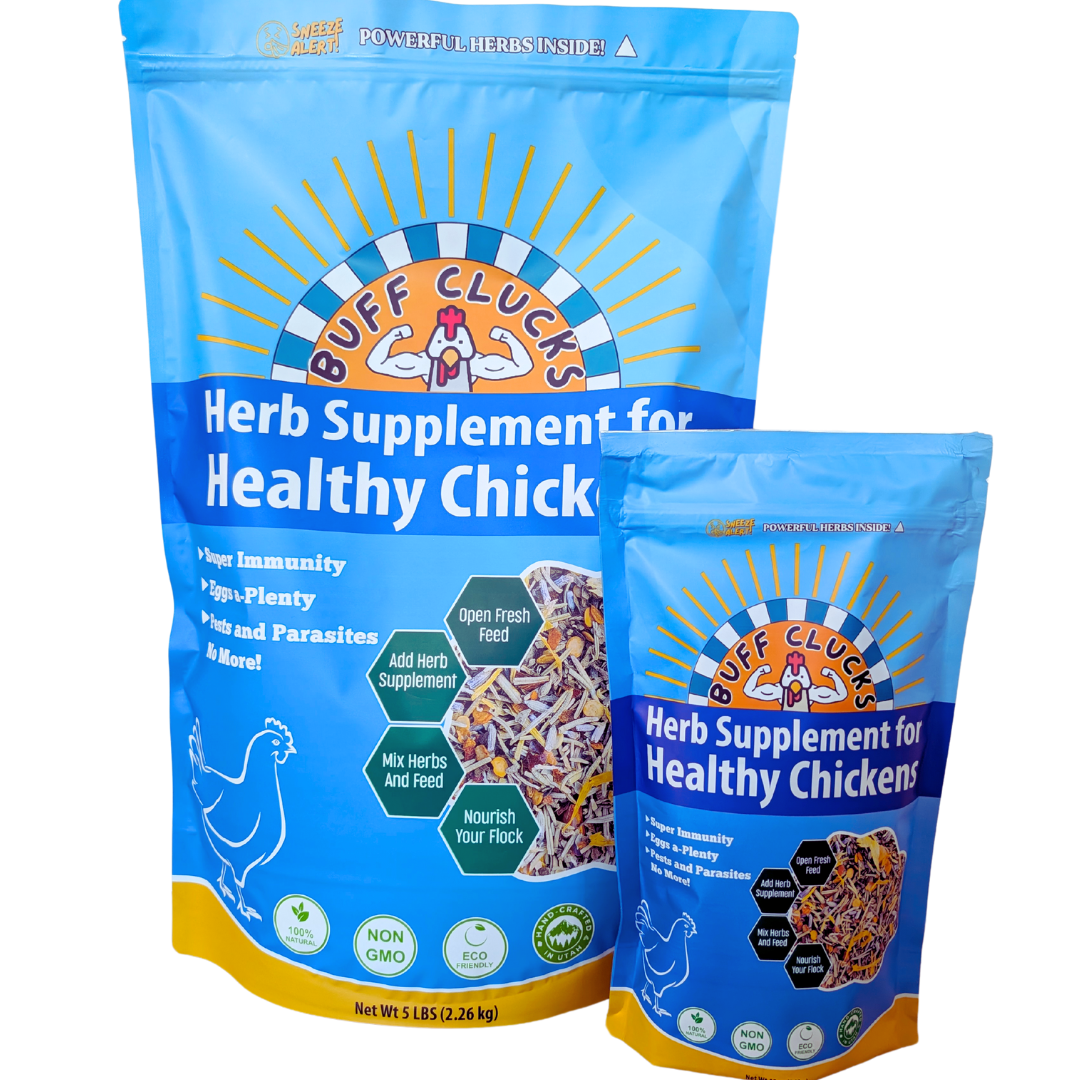
Some flocks benefit from steady digestive support using Buff Clucks Herb Supplement, especially when fresh forage disappears. This quiet support helps birds absorb nutrients more effectively during winter stress.
Light Levels and Winter Egg Expectations
Light exposure drives winter laying more than temperature. Natural daylight rarely reaches the threshold needed for consistent production in January. This explains why healthy flocks still slow down.
Some keepers add supplemental lighting, while others allow natural rest. Both choices work when housing and nutrition stay stable. Goals determine the right approach.
What a Normal January Chicken Flock Looks Like
A healthy January follows predictable patterns that rarely signal trouble.
- Fewer eggs without health decline
- Increased feed consumption
- Longer roosting hours
- Lower daytime activity
- Minor indoor squabbles
These changes reflect seasonal adaptation, not regression.
When January Expectations Signal a Problem
Not every winter change should be brushed off as normal. Certain signs deserve closer inspection because they point to issues beyond seasonal slowdown.
- Extended lethargy that lasts all day rather than quiet resting
- Sudden feather loss unrelated to molting patterns
- Ongoing respiratory symptoms like sneezing or labored breathing
- Noticeable weight loss or pale comb color
- Continued egg shell quality problems once nutrition is stable
These signs usually reflect nutrition gaps, parasites, or environmental stress rather than simple winter fatigue. Small, targeted adjustments often correct problems faster and more effectively than major changes.
Looking Ahead Beyond January Chicken Flock Expectations
January represents the quiet midpoint of winter rather than the hardest phase. Daylight begins increasing soon after, even while temperatures remain low. Chickens respond to light first and warmth second.
Supporting your flock through January builds momentum for spring. When expectations align with biology, winter feels predictable instead of stressful, and the coop stays calm, balanced, and ready for brighter days.