How to Prevent Parasites in Backyard Chickens
The short answer: Preventing internal parasites in backyard chickens requires a combination of regular natural deworming cycles, environmental management to reduce soil parasite load, and gut-health nutrition that makes the digestive environment less hospitable to worm establishment — treating it as an ongoing system rather than a one-time intervention.
Ah, the joy of backyard chicken keeping, where the eggs are plentiful and the parasites, unfortunately, can be too. So, how do you prevent parasites in backyard chickens? And how do we prevent pesky invaders without introducing harsh chemicals or having to toss contaminated eggs?
Before you let those tiny freeloaders ruffle your feathers, let's talk about a clever way to keep your coop guests strictly poultry, no parasites allowed! It's time to ditch the chemicals. Let's get down to earth with natural prevention methods that are as friendly to your chickens as they are unfriendly to mites, lice, and worms.

Understanding Parasites in Backyard Chickens
In the pecking order of backyard chicken challenges, parasites sit at the top. These tiny trespassers, including the notorious mites, poultry lice, and worms, can turn your chicken coop from a feathered paradise into a pest pitstop. Knowing your enemy is the first step in the battle against these microscopic marauders.
Poultry Lice and Mites
Mites and lice are external freeloaders that feast on your chickens' blood and skin, leaving them itchy, irritated, and downright grumpy (don't judge, you'd be grumpy too!)
If these invaders are on board one of your hens, you might notice your birds becoming restless. Their feathers may start looking ruffled and lackluster, or they may find them engaging in excessive preening.
In severe cases, these pests can cause anemia, decreased egg production, and even death!
Round Worms and Tape Worms
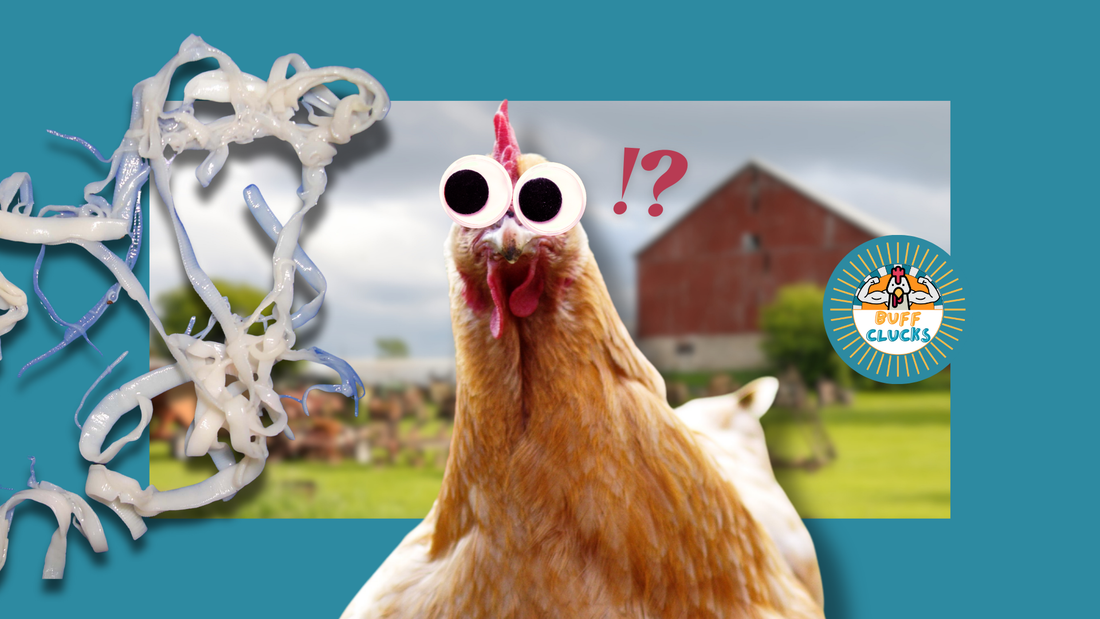
Worms, the internal invaders, are just as nasty. These parasites take up residence in your chickens' digestive tracts. There, they start siphoning off nutrients and causing malnutrition, weight loss, and a drop in egg-laying power.
Micro-invaders aren't the only pests ready to bug your flock. Rodents are a pain in the tail feathers, as well. Learn how to keep them at bay by reading THIS article.
Watch for these symptoms of worms in your chickens:
- a pale comb
- diarrhea
- a chicken that looks more like it's moping than moseying.
- Creepy crawlers in their stool. Yuck!
The impact of parasites on your flock's health and productivity cannot be overstated. Affected chickens may lay fewer eggs, show stunted growth, and spread these pests to their feathered friends. It's a cycle of misery that's hard to break. Know that knowledge is power, and with the right approach, you can turn your coop into a fortress.
The Importance of Natural Prevention
Many chicken owners will wonder how to prevent parasites in backyard chickens. Sure, there are chemical options. But natural prevention of parasites stands out not just as a single method, but as a philosophy. It's the wing-flap toward a healthier coop, where the well-being of your flock and the environment take center stage.
Natural prevention methods offer benefits that go beyond simply keeping pests at bay; they promote a balanced ecosystem within your backyard farm.
Chemical-based products, while sometimes seen as a quick fix, come with their own can of worms. These treatments can pose potential health risks to your chickens, yourself, and the environment. There's also the looming specter of resistance, where parasites evolve faster than treatments, rendering these chemical solutions less effective over time. Not to mention, the residues from these treatments can find their way into the eggs you were so looking forward to eating, which is hardly the kind of surprise anyone wants in their omelet.
Going All Natural in Preventing Parasites in Backyard Chickens
Natural solutions, on the other hand, play a vital role in sustainable farming practices. They work not by launching an all-out assault on parasites, but by creating an environment that's inhospitable to pests but is nourishing for your flock. From herbal solutions, diatomaceous earth, to essential oils and beyond, natural remedies support the immune system of your chickens and maintain ecological balance, ensuring that your backyard remains a sanctuary, not just for your chickens, but for biodiversity itself.
In essence, going all natural is not just a choice, it's a commitment to the health and harmony of your feathered family and the planet they peck on.
Natural Methods to Prevent Parasites in Backyard Chickens
Keeping your backyard coop parasite-free is like maintaining a fortress against tiny, persistent invaders. Thankfully, nature has equipped us with a variety of tools and strategies to keep these pests at bay, naturally. Here's how to turn your chicken coop into a healthy stronghold.
Good Chicken Coop Hygiene
Myths abound regarding chickens and pests (Read those myths here). The hard truth: Poor care by chicken owners is often the cause of a pest and parasite problem.
The cornerstone of any parasite prevention plan is good coop hygiene. Regular cleaning and disinfection remove the debris and droppings that parasites love to call home. Aim for a clean sweep at least once a week, with a deep clean every few months. Use natural disinfectants like vinegar or citrus oil to keep things fresh without introducing harmful chemicals.
Equally important is ensuring your coop is dry and well-ventilated. Moisture is the best friend of parasites like mites and lice, while good airflow helps to keep their populations down. Make sure your coop has plenty of ventilation, and consider adding a layer of sand or diatomaceous earth to the floor to absorb moisture and deter pests.
Diet and Nutrition
A chicken with a robust immune system is less likely to fall prey to parasites. Enhance your flock's defenses with a balanced diet rich in vitamins, minerals, and probiotics. Foods like garlic have been touted for their natural parasite-repelling properties. Incorporating these into your chickens' diet can provide an added layer of protection. Even new chicks can benefit from immunity-boosting and pest-preventing herbs!

And when it comes to keeping internal parasites in check, WormStop – Natural Dewormer for Chickens takes the guesswork out. This herbal blend targets worms directly, supports digestion, and keeps your girls laying strong without ever losing a single egg to withdrawal time.
Herbal Supplements
Herbal supplements are packed with herbs that can keep your hens happy and healthy. Many herbs are known for their anti-parasitic properties, and can be a game-changer in your preventive arsenal. Look for products containing ingredients like garlic and oregano, which have been shown to deter internal and external parasites.
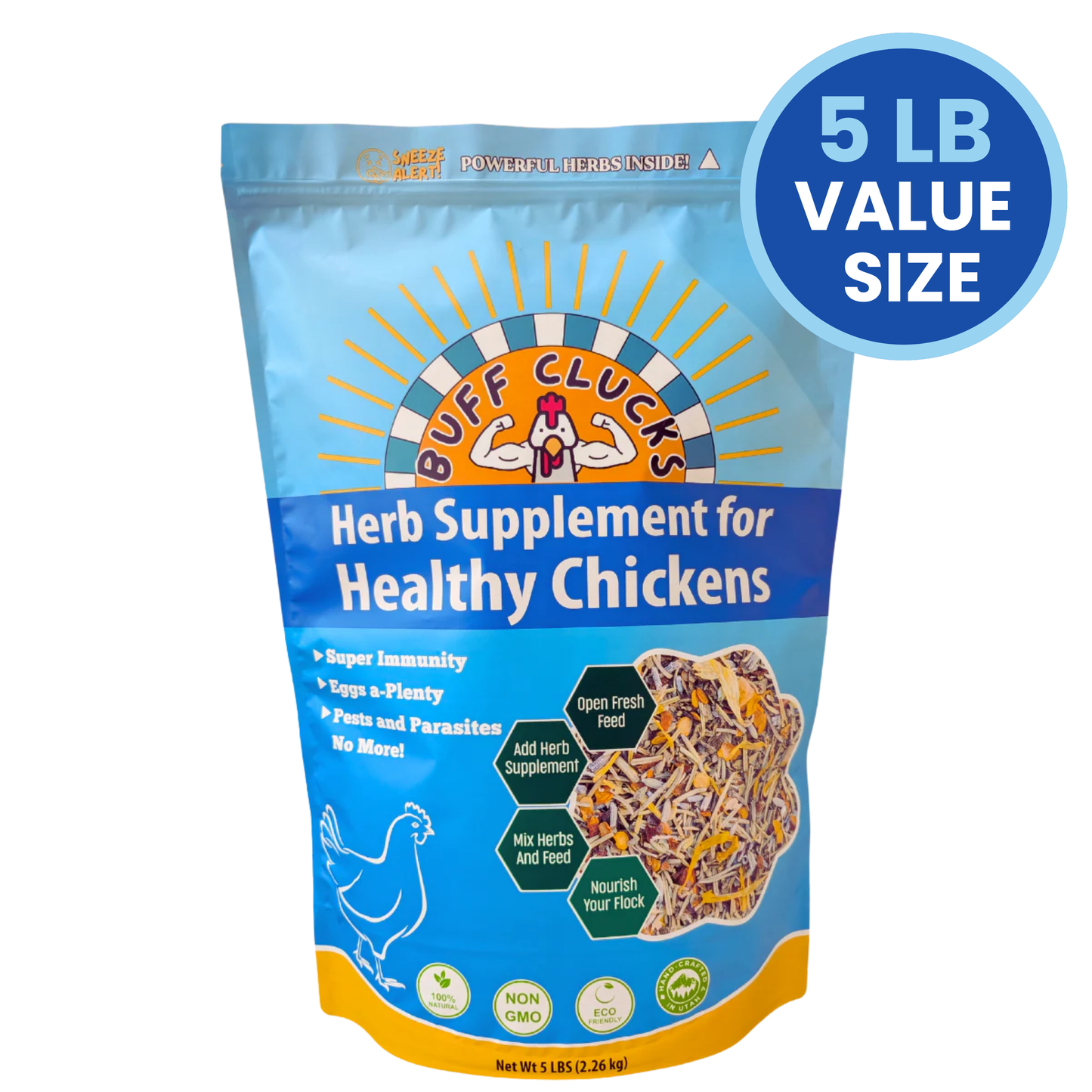
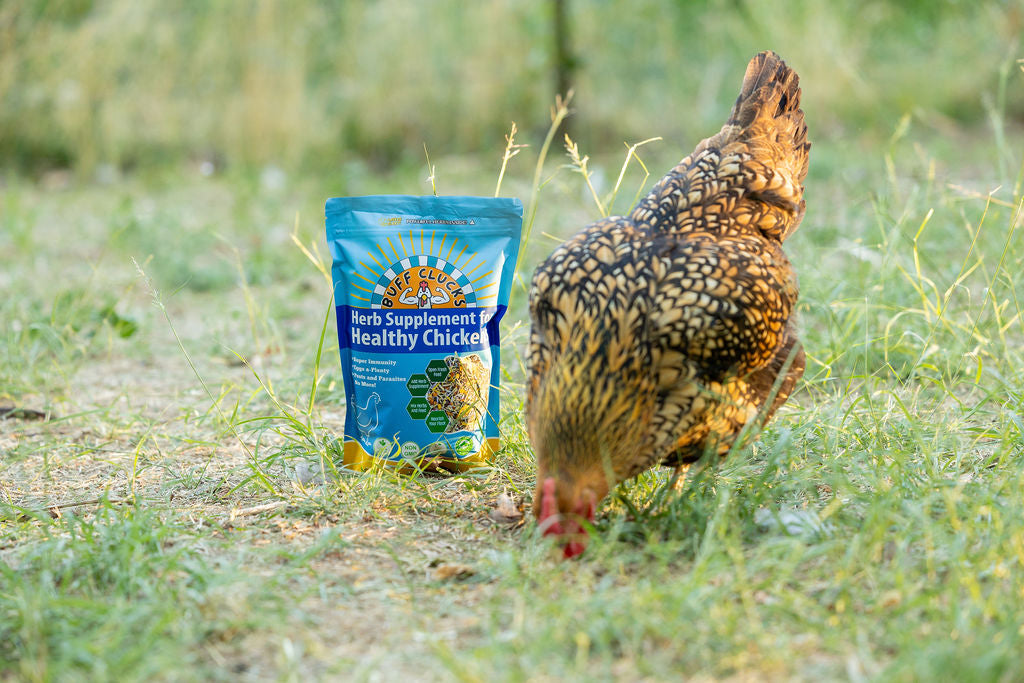
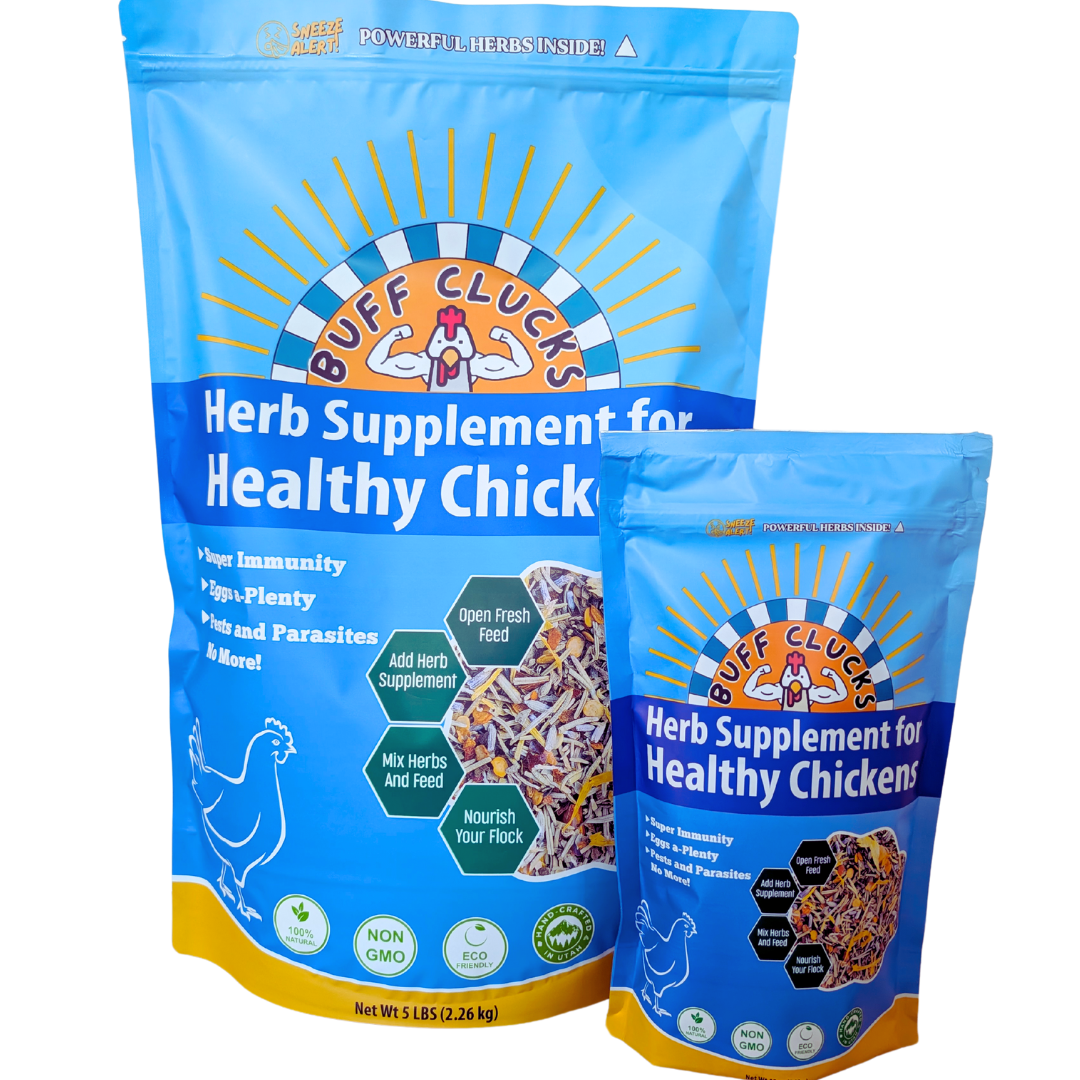
Buff Clucks Herbal Supplement and Aquaboost are formulated with these and other natural ingredients to bolster your chickens' health from the inside out. Easy to add to your flock's feed and water and include in your regular care routines, it's an effective way to keep parasites at bay. Order your Buff Clucks natural prevention here.
Physical Preventative Measures
Lastly, let's talk about the coop itself. Dust bathing is a natural behavior chickens use to maintain their feather health and keep parasites away. If your hens aren't able to free-range, you can create a dedicated dust bathing area filled with diatomaceous earth. This provides your chickens with a spa day and also helps to remove pests from their feathers.
Modifying your coop with strategic perches and housing can also deter parasites. Elevated roosts keep your birds off the ground, where many parasites reside, while smooth materials used in perch construction can prevent mites from taking hold.
Buff Clucks Herb Supplement is a great pest and parasite preventer when consumed, but also boasts benefits as nesting box herbs. Simply dust your nesting boxes with the herb blend and keep mites, lice, rodents, and more from disturbing your girls as they lay. Read more about nesting box herbs here.
Preventing Parasites Naturally Makes Happy and Healthy Backyard Chickens
Keeping your backyard chickens happy, healthy, and parasite-free is much more than a single action; it's a lifestyle. By embracing good coop hygiene, a well-rounded diet, herbal supplements, and smart coop modifications, you're not just warding off pesky parasites; you're cultivating a thriving ecosystem for your chickens!
WormStop – Natural Dewormer for Chickens gives you a simple herbal routine that wipes out internal parasites without chemicals, fillers, or antibiotics. Best of all, you’ll never waste a single egg while protecting your flock.
As you implement natural strategies, observe your flock. You'll notice not just a decrease in parasites, but an increase in their immunity, vibrancy, energy, and egg production of your chickens. It's a testament to the power of Mother Nature's medicine cabinet.
May your coop always be a fortress of health, your chickens a parade of vitality, and your mornings filled with the triumphant cackle of hens who know they're well-loved and well-cared for. After all, happy chickens lay happy eggs, and isn't that just the kind of breakfast we're all looking for?
Want to see fun chicken videos and learn? Come follow us on Facebook!
Frequently Asked Questions: Preventing Parasites in Backyard Chickens
How do backyard chickens get internal parasites?
Chickens acquire internal parasites primarily through foraging — pecking at soil, eating earthworms, slugs, beetles, and insects that serve as intermediate hosts for certain worm species. Tapeworm larvae live in beetles and slugs; chickens ingest them while foraging. Roundworm eggs are shed in droppings and can survive in soil for months; hens re-ingest eggs during normal scratching and pecking. Wild birds visiting the run can introduce new parasite species.
What is the most effective way to prevent worms in chickens?
The most effective prevention combines monthly herbal deworming cycles (reducing adult worm populations before they build up), run rotation (allowing parasite-contaminated soil to rest and self-clean), frequent bedding replacement (removing eggs before they become infective larvae), and gut-health nutrition (maintaining the beneficial bacteria and pH that make the gut less hospitable to parasite establishment). No single method alone is as effective as this combined approach.
Does rotating the chicken run prevent parasites?
Yes — run rotation is one of the most effective environmental parasite management tools available. Moving the flock to a fresh area allows the previously used ground to rest. Most internal parasite larvae die within 4-6 weeks in dry conditions with sunlight exposure, and up to 3 months in persistently moist, shaded conditions. Resting ground for 4-6 weeks before returning birds to it breaks the contamination cycle significantly.
Can chickens build natural resistance to parasites?
Chickens develop some immune resistance to parasite species they've been repeatedly exposed to, but this immunity is partial and degrades under stress or nutritional deficiency. Unlike ruminants that develop strong worm resistance over time, chickens remain relatively susceptible throughout their lives. Genetic selection in some breeds has produced slightly better natural resistance, but no backyard breed should be considered immune to worm establishment without preventive management.
How do I prevent parasites without using chemical dewormers?
Natural parasite prevention uses botanical compounds (wormwood, pumpkin seed, garlic, thyme) on monthly cycles, environmental management (run rotation, frequent bedding replacement, sunlight exposure of soil), gut health support (fermented feed, probiotics creating a hostile gut environment for worms), daily garlic or apple cider vinegar in water to maintain gut conditions, and regular monitoring so you know immediately if the parasite load is increasing beyond what preventive measures can manage.