The Most Broody Chicken Breeds
The short answer: Some chicken breeds are genetically programmed to go broody — sitting on eggs obsessively with the goal of hatching them — while others rarely or never do. Understanding broody behavior, its triggers, and how to manage (or use) it is essential knowledge for any backyard keeper.
Some hens lay eggs and move on. Others? They sit, puff, and dare the world to try and stop them. If your coop’s got growling, feather-plucking hens holding down nesting boxes like security guards at a rock concert, congrats, you’ve got one of the most broody chicken breeds in your flock.
Broodiness is a hormonal phase where hens stop laying and start dreaming of motherhood. Whether you’re ready to hatch chicks or just trying to keep eggs coming without a full-blown nesting strike, knowing which breeds go broody is key to managing (or embracing) the madness.
What Is Broodiness Anyway?
Broodiness happens when a hen’s hormones shift, telling her it’s time to incubate. She’ll sit in the nesting box 24/7, pluck feathers from her belly to warm the eggs, and hiss like a tiny dragon if you get too close. This sitting marathon typically lasts about 21 days, and during that time, she barely eats, drinks, or leaves the nest.
Some breeds hardly ever go broody. Others do it at the drop of a feather. Meet the most broody chicken breeds and what makes them sit so hard
🥇 Most Broody Chicken Breed – Silkie
Broodiness: Extreme
Mothering skills: Top-tier cuddle queen
Egg production: Low
Silkies are basically fluffballs with one goal: hatch everything. They’ll go broody over anything remotely egg-shaped, and they don’t quit until the job is done. Known for their sweet temperaments and excellent mothering, Silkies are ideal if you want natural hatching and happy chicks, just don’t expect many eggs in between.
🥈Most Broody Chicken Breed – Cochin
Broodiness: Very high
Mothering skills: Sweet and steady
Egg production: Moderate
Cochins are big-boned beauties with hearts of gold and serious nesting instincts. Both bantam and standard Cochins go broody often, and they sit patiently and quietly while incubating large clutches. Once hatched, they’re kind and calm mamas that make chick-raising a breeze.
🥉Most Broody Chicken Breed – Buff Orpington
Broodiness: Frequent among dual-purpose breeds
Mothering skills: Dependable and attentive
Egg production: High when not broody
Buff Orpingtons are the go-to girls for backyard flocks: pretty, productive, and pleasantly broody. They’re more likely to brood than most other dual-purpose breeds and bring a gentle, nurturing touch to motherhood. Plus, when they’re not busy incubating, they’ll lay you a steady supply of large brown eggs.
4. Brahma
Broodiness: Occasional
Mothering skills: Calm and composed
Egg production: Moderate to good
Brahmas are feather-footed giants with serene energy and big, brooding potential when they’re in the mood. They don’t brood as frequently as Silkies or Cochins, but when they do, they stay the course with quiet commitment. Their large bodies help cover more eggs, and their temperament makes them a peaceful presence in the brooder.
5. Sussex
Broodiness: On occasion
Mothering skills: Solid and nurturing
Egg production: Very good
Sussex hens bring balance to the coop. They don’t go broody as often as the top brooders, but when they do, they’re reliable, patient, and maternal. The best part? Their excellent egg production keeps the breakfast train running when they’re not raising babies.
6. Old English Game
Broodiness: Very high
Mothering skills: Fierce and fearless
Egg production: Low
Old English Game hens are all-in when they brood, protective, focused, and absolutely committed. While not every line broods equally often, they’re generally known for strong natural instincts and vigilant mothering. Be warned: once those chicks hatch, she’ll go full mama hawk to protect them.
7. Australorp
Broodiness: Occasionally
Mothering skills: Calm and capable
Egg production: Excellent
Australorps are often chosen for their record-breaking egg-laying skills, but they’ll sometimes surprise you with a broody phase. When they do decide to sit, they handle it like pros, no drama, just dedication. Their reliable temperament and versatility make them a solid dual-purpose choice.
8. Dominique
Broodiness: Moderate
Mothering skills: Caring and loyal
Egg production: Good
Dominiques aren’t the broodiest hens in the barnyard, but they’ve still got the instincts when the mood strikes. Their heritage roots lend them balanced maternal tendencies without being overbearing. These sweet-natured girls make thoughtful, attentive mothers without turning every nesting box into a sit-in.
How to Care for the Most Broody Chicken Breeds During Nesting
Broody hens put their bodies through a lot, and they need your help to stay strong. Here’s how to pamper your nest-bound girl:
- Keep fresh water within pecking distance, boosted withAquaBoost to support hydration and electrolytes
- Offer protein-packed snacks like mealworms, sunflower seeds, or scrambled eggs
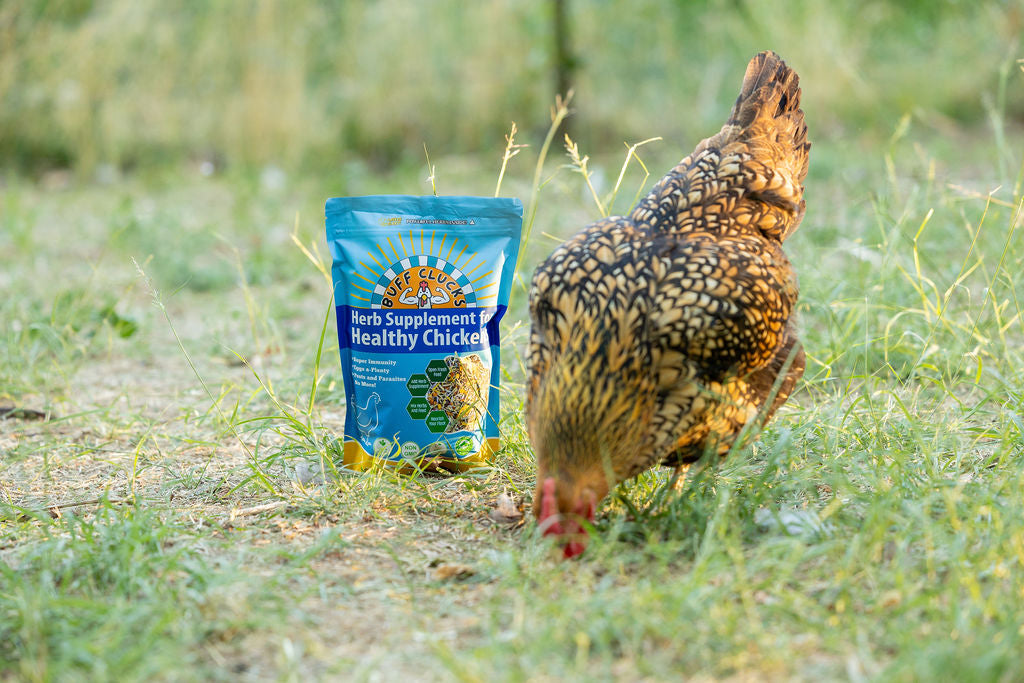
- Add Buff Clucks Herb Supplement to her feed to strengthen her immune system while she sits
- SprinkleCoopShield in the nesting area to prevent mites and other pests from crashing her egg party
- Spot-clean her bedding every few days to avoid a messy buildup
She won’t say thanks, but she also won’t peck your hand off. Win-win.

How to Stop Broodiness in the Most Broody Chicken Breeds
Sometimes you’re in it for eggs, not baby fluff. If your hen’s broody streak isn’t part of the plan, you can gently “break” the cycle:
- Remove her from the nesting box multiple times a day
- Place her in a wire-bottom crate (“broody breaker”) with food, water, and airflow underneath
- Block access to dark corners where she likes to hide and brood
- Add enrichment like leafy greens or foraging treats to distract her
- Whatever you do, don’t scold or stress her out. Broodiness is hormonal, not rebellious, and she’s just doing what hens have done for centuries.
Choosing Among the Most Broody Chicken Breeds for Your Coop Goals
If you want natural hatchers, go for one of the most broody chicken breeds like Silkies, Cochins, or Buff Orpingtons. For part-time mama energy, Australorps, Sussex, Brahmas, and Dominiques strike a great balance. If you’d rather skip the broody phase entirely, stick with hybrid layers like ISA Browns or Leghorns.
Whatever your flock goals, giving your hens the support they need, broody or not, is always the right move. From hydration to immunity and pest defense, Buff Clucks has your flock’s back with Herb Supplement, WormStop, CoopShield, and AquaBoost.
Frequently Asked Questions: Broody Chickens
What does it mean when a chicken goes broody?
A broody hen is one whose hormones have triggered a strong instinct to sit on eggs and hatch them. She will claim a nesting box, sit continuously, and aggressively defend her eggs — puffing up, growling, and pecking if disturbed. Broody hens stop laying, eat and drink less, and can lose significant body weight if the broodiness isn't managed.
Which chicken breeds go broody most often?
The most reliably broody breeds include Silkies (the gold standard for setting eggs), Cochins, Orpingtons, Sussex, Australorps, and most Bantam breeds. Production breeds like Leghorns and hybrid layers have been selectively bred to rarely or never go broody. If you want a natural hatcher, choose a heritage breed known for broodiness.
How do I break a broody hen?
To break broodiness, remove the hen from the nesting box repeatedly throughout the day, block access to nesting boxes when possible, place her in a wire-bottomed cage (good air circulation cools her underside and breaks the hormonal trigger), and ensure she eats and drinks. Most hens break within 3-7 days of consistent intervention.
Is it safe to let a broody hen hatch eggs?
Yes — broody hens are excellent natural incubators and mothers. If you want chicks and have a rooster (or fertilized eggs), letting a broody hen hatch them is a simple, effective method. Ensure she has a private, low-traffic nesting space, food and water within easy reach, and protection from other hens who may disrupt her or harm chicks after hatching.
Why does my hen go broody even without eggs?
Broodiness is hormonally driven, not contingent on having eggs to sit on. Some hens will go broody on empty nests, golf balls, or nothing at all. The trigger is the hormonal state combined with the physical act of sitting, not the presence of fertilized eggs. Removing the hen promptly when broodiness begins reduces the depth of the hormonal cycle.