Crows Can Guard Your Flock Better Than You Think
The short answer: Crows are highly intelligent birds that can be trained to alert backyard chickens to predators — their natural wariness and loud alarm calls make them unexpected but effective flock sentinels. Building a relationship with local crows benefits both species.
Crows protect chickens more effectively than most backyard keepers ever realize. These bold, black birds get a bad reputation from old folktales, but science tells a completely different story. Hawks, raccoons, and foxes all top the list of common flock predators, and crows happen to despise every single one of them.
Studies have shown they can recognize individual human faces and hold grudges for years. When they set up camp near your property, they actively mob and harass aerial and ground predators that would otherwise target your hens.
Do Crows Actually Pose a Risk to Chickens
Before getting into the good stuff, it is fair to ask whether crows are a threat at all. Adult chickens are generally safe around crows. Crows will occasionally snatch an egg or steal feed, but they rarely go after full-grown hens. Chicks are a different story, so extra caution around brooding areas always makes sense.
The occasional stolen snack is a small trade-off for a bird that actively drives off hawks and keeps aerial threats on edge. Think of it less like a roommate situation and more like hiring a very loud, opinionated security guard. One who works for corn.
How Crows Protecting Chickens Actually Works
Crows are mobbing birds, which means they chase and harass larger predators as a group. When a hawk circles overhead, they dive bomb it relentlessly until it leaves the area. This behavior, called mobbing, is well-documented in ornithological research and makes hawks deeply uncomfortable around crow territory.
Ground predators do not get a free pass either. Crows sound loud, piercing alarm calls when they spot foxes, raccoons, or stray cats near the yard. Those calls are a free early warning system for any keeper paying attention.
Your hens will often freeze or seek cover the moment they hear crow alarms, responding the same way they would to any natural predator warning. Understanding alertness and quick responsiveness to noise helps you gauge how well your flock is tuned into those environmental cues.

How to Attract Crows to Your Yard
Crows are creatures of habit, and earning their presence takes a bit of patience and strategy. The good news is they respond quickly to consistent, welcoming conditions. Once they find your yard reliable and safe, they tend to stay close and patrol the area on their own terms.
Set Out the Right Food
Crows are omnivores and enthusiastic opportunists. Offering consistent food sources is the fastest way to earn their loyalty. Unsalted peanuts in the shell are a crow favorite and an easy starting point. Scatter them in the same spot each morning to build a predictable routine.
Once they start visiting regularly, you can supplement their meals with cooked eggs, meat scraps, or dried corn. The goal is consistency, because they remember reliable food sources and return to them daily without prompting.
Build Trust Over Time
Crows are cautious of new humans, but they warm up faster than people expect. Start by placing food and stepping back. Over days and weeks, move slightly closer during feeding. Avoid sudden movements or loud noises early on.
They recognize and remember individual faces. Once a crow associates you with food and safety, it will actively look out for activity near your space; that loyalty becomes a quiet but very real layer of flock protection over time. This kind of consistent, calm routine also benefits your chickens directly, since hens that live in a low-stress flock environment stay more alert and reactive to outside threats.
Create a Crow-Friendly Environment
Tall trees and open sightlines matter deeply to crows. They like to perch high and survey their territory before descending. If your yard has mature trees nearby, you are already ahead. Adding a simple birdbath gives them a water source and another reason to stick around.
Avoid using pesticides near crow feeding areas. Crows are sensitive to chemical exposure, and a poisoned environment drives them away fast.
A clean, calm yard signals safety to a bird that spends its whole life reading its surroundings. It is also the kind of environment that benefits your hens, since fewer chemical exposures mean fewer stressors for everyone sharing the yard.
What Crows Help Protect Against
Crows protecting chickens is most effective against some of the most common and frustrating threats backyard flocks face. Knowing which predators they deter helps you understand where their presence adds the most value and where other safeguards still matter.
- Hawks and falcons. Crows mob aerial predators aggressively and persistently. A hawk that gets dive-bombed twice learns quickly to avoid crow territories. This dramatically reduces daytime aerial attacks on your flock, which is one of the hardest threats to prevent through fencing alone.
- Owls near dawn and dusk. Crows actively mob owls when they encounter them outside of full darkness. Hens are most vulnerable during those low-light transition hours when they are slower to react. Crows add a buffer of noise and disruption precisely when your flock needs it most.
- Foxes and raccoons. Ground predators trigger crow alarm calls instantly. A crow screaming from a treetop gives you and your hens precious seconds to respond before danger reaches the run. Pair this natural alert system with solid coop security, and you significantly lower your risk.

Keeping Your Flock Strong Enough to Benefit
Crows can alert and deter, but they cannot replace a healthy, alert flock. Chickens that are well-nourished respond faster to alarm calls and are harder targets overall. A hen that is dealing with internal parasites or digestive stress is slower, duller, and far less reactive when a crow sends a warning above.
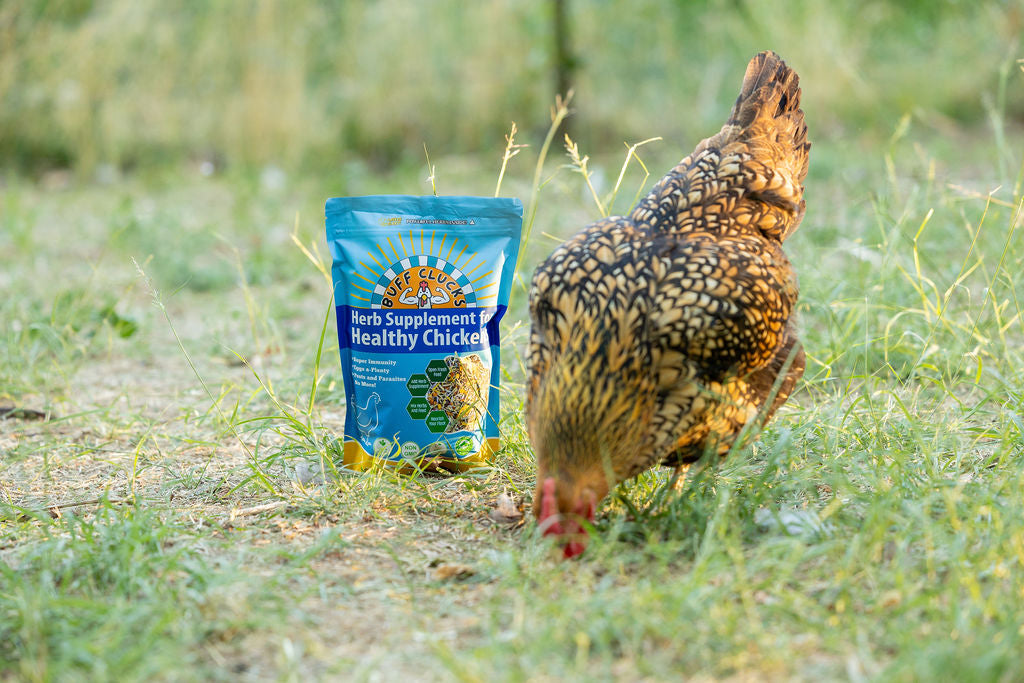
Supporting your flock through stressful periods makes a measurable difference. Mixing Buff Clucks Herb Supplement into daily feed provides herbal support for immune strength and stress resilience, so your hens stay sharp and responsive through seasonal changes, flock disruptions, or predator pressure. A strong, well-supported hen notices danger faster, and that split-second advantage is exactly what crow alarms are designed to trigger.
Crows and Flock Integration Tips
Inviting them into your yard does not mean chaos in the run. The key is setting up a yard where both crows and chickens coexist on their own turf without competing or stressing each other out. A few smart habits go a long way toward making that possible, and most of them take less effort than you would expect.
Manage Feed Competition Thoughtfully
Crows will eat chicken feed if it is accessible. Use covered feeders or feed your hens inside the run to reduce competition. Offer crow food separately near the perimeter of your yard so both species find what they need without conflict.
Keeping feeding zones distinct also helps your hens maintain a calm routine, which directly supports healthy chicken digestion. Hens that eat without competition or stress absorb nutrients more efficiently and stay in better overall condition throughout the day.
Keep Hens Busy While Crows Patrol
Bored hens are restless hens, and restless hens make poor use of the calm that crows create overhead. Giving your flock engaging activities keeps them occupied and less likely to wander into open, exposed areas during vulnerable daytime hours. Tossing a scoop of GrubFuel – Black Soldier Fly Larvae into the run gives hens a high-protein foraging activity that keeps them active and focused right where they are safest.
Watch Crow Behavior Around Chicks
Young chicks need protection from everything, including curious crows. Keep brooding areas enclosed and covered at all times. Once pullets reach a few weeks old and start growing fast, crow's interest drops significantly. Adult hens are simply not worth the effort to a crow looking for an easy snack.
Pay Attention to Crow Alarm Patterns
Learning what different crow calls mean takes time, but it pays off considerably. A sharp, repetitive caw usually signals aerial danger nearby. A lower, more conversational tone often means the crow is curious or feeding. Tuning into these sounds helps you understand what is happening around your yard before you even step outside.
Frequently Asked Questions: Crows and Backyard Chickens
Will crows protect my chickens from predators?
Crows can indirectly protect chickens by alerting them to aerial and ground predators before they get close. Crows are territorial, highly vigilant, and mobbing birds — they will aggressively harass hawks, owls, and other raptors that enter their territory, often driving them away entirely. Chickens that have learned to recognize and respond to crow alarm calls benefit significantly from this early warning system.
Will crows attack or harm my chickens?
Healthy adult chickens are not at risk from crows. Crows rarely attack birds larger than themselves. Very small bantam chicks or newly hatched chicks could theoretically be targeted by a crow if left completely unattended, but this is uncommon. In practice, crows and chickens coexist peacefully when they share a yard — crows are far more interested in food scraps than in adult birds.
How do I attract crows to my yard to help protect my flock?
Crows are attracted by consistent, reliable food sources. Offer unsalted peanuts in shells, hard-boiled eggs, or plain crackers in a consistent location at a consistent time daily. Crows are intelligent — they will learn your routine and begin associating your yard with food. Building trust takes time (weeks to months for wild crows) but creates a reliable long-term relationship with birds that will alert your flock to threats.
Are crows a sign of good or bad luck for chickens?
Culturally, crows carry various symbolic associations, but practically for chicken keeping they are beneficial neighbors. Their presence typically deters smaller raptors from the area, their alarm calls alert livestock and other birds to danger, and their intelligence means they quickly learn which humans are friendly and which to avoid. For flock protection purposes, having crows in your area is genuinely advantageous.
Can chickens and crows communicate with each other?
Chickens are known to respond to the alarm calls of other species, including crows. Research has shown that hens respond appropriately to aerial alarm calls from other bird species, even those they haven't specifically evolved with. This cross-species alarm communication means chickens in a yard frequented by crows may receive and respond to crow aerial predator warnings — an unexpected but real protective benefit.