Chicken Hawk Protection Tips for Winter Flocks
The short answer: Protecting chickens from hawk attacks requires understanding hawk behavior and creating an environment where hawks can't or won't successfully strike — combining physical deterrents, behavioral strategies, and environmental modifications that make your yard a high-difficulty target.
Hawk protection for chickens becomes extra important once winter shows up with its bare trees, shiny snow, and fewer snacks for predators. Hawks do not suddenly become villains when temperatures drop; they simply get hungrier and more focused. Winter turns backyard flocks into bright, predictable targets unless a few smart adjustments are made.
This does not mean winter has to turn into nonstop hawk paranoia. A little strategy, a little humor, and a willingness to shake up routines can go a long way toward keeping your flock safe and strutting.
Why Hawk Pressure Increases During Winter
Winter is the season of slim pickings for raptors. Rodents disappear underground, insects vanish, and many birds migrate out, leaving hawks with fewer options and higher daily energy demands. When calories matter more, hawks take chances they might ignore during warmer months.
Snow and leafless trees also work against chickens. Everything becomes easier to see from above, especially dark feathers against white ground. Add shorter days that compress hunting time, and hawks naturally focus on the most reliable food sources they can find.
How Hawks Choose a Targeted Flock
Hawks are observers first and attackers second. They study routines, movement, and layout before committing energy to a hunt, especially in winter when wasted effort costs them.
They tend to focus on flocks that show these habits:
- Open free-range areas without overhead cover
- The same turnout time every single day
- High contrast visibility against snow or bare ground
- Quiet yards with little human traffic
Chicken hawk protection improves fast when your setup looks unpredictable and inconvenient instead of orderly and routine.
Hawk Protection for Chickens Starts With Overhead Cover
The most effective hawk protection for chickens interrupts their favorite move, the clean dive from above. Hawks rely on open airspace and clear lines, so even partial overhead cover changes their confidence level.
Covered runs, crisscrossed wire, netting, or even staggered shade cloth all break up flight paths. Natural cover like shrubs, low shelters, or lean tos give chickens instant escape points that matter most when seconds count.

Why Scare Devices Work Briefly and Then Get Ignored
Reflective tape, owl decoys, pinwheels, and shiny objects can help protect chickens from hawks early on. Hawks notice motion and unfamiliar visuals, especially when they first enter a new territory.
Problems start when those objects never change. Hawks are smart enough to learn patterns, and once they realize nothing follows the movement, the fear factor disappears. Rotating placement and combining visual deterrents with timing changes keep them useful longer.
Protect Chickens From Hawks by Adjusting Winter Free Range Timing
One of the easiest ways to protect chickens from hawks is to adjust the schedule instead of the space. Hawks hunt most actively mid-morning and late afternoon, especially on bright winter days when visibility is high.
Letting chickens out closer to midday increases human presence and reduces the hawk’s advantage. Shorter, supervised sessions still give birds enrichment without advertising their location for hours at a time.
How Flock Behavior Influences Hawk Risk
Calm flocks blend in better than frantic ones. Chickens that panic, scatter wildly, or sprint across open ground create movement patterns that draw attention fast.
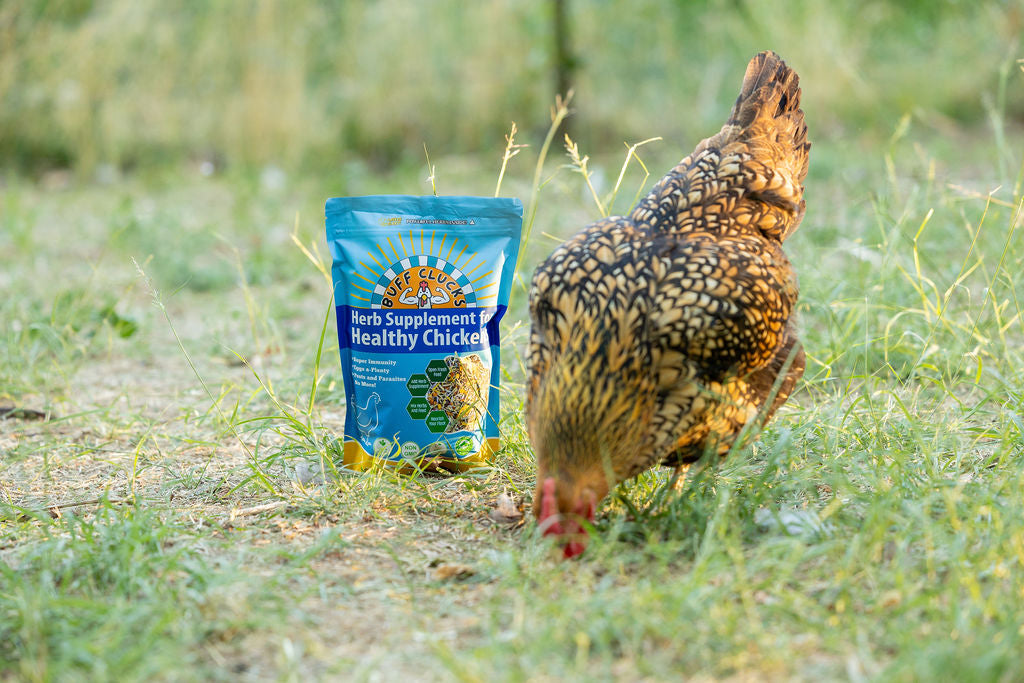
Winter boredom and stress can make flocks jumpier, which raises risk. Supporting steady behavior through enrichment and nutrition helps birds move with purpose instead of chaos. Seasonal support like Buff Clucks Herb Supplement fits well here by helping chickens stay balanced when winter stress stacks up.
Visual Breaks Beat Noise Every Time
Hawks hunt with their eyes, not their ears. Radios, yelling, and random noise rarely stop an attack once a hawk is locked in visually.
Breaking sight lines works better. Tarps, trellises, shade cloth, garden structures, and irregular fencing make a yard look cluttered from above. Clutter confuses predators and lowers their confidence, which is exactly what you want.
Why Snow Makes Protecting Chickens From Hawks Harder
Snow acts like a spotlight. Dark feathers pop, tracks reveal habits, and open yards look like landing zones.
Leaving some snow untouched reduces contrast, while piling cleared snow near shelters nudges chickens toward safer zones. Winter hawk protection often improves when things look messy instead of manicured.

Do Roosters Really Protect Chickens From Hawks
Roosters are excellent alarm systems, not bodyguards. A good rooster alerts the flock and pushes hens toward cover, which absolutely helps during an attempted strike.
Flocks without roosters can stay just as safe with solid structure and smart timing. Relying on one bird for defense alone creates risk, especially in winter when hawks strike fast and leave no room for heroics.
A Realistic Winter Chicken Hawk Protection Checklist
Chicken hawk protection works best when layered instead of relying on one big solution. Each step lowers risk without turning your yard into a fortress.
Helpful winter adjustments include
- Covered or partially covered runs
- Natural shelter and visual barriers
- Rotating reflective deterrents
- Adjusted free range timing
- Calm flock behavior support
Together, these changes make your flock far more trouble than a hungry hawk wants to deal with.
Supporting Chickens After a Hawk Scare
Even a near miss shakes a flock’s confidence. Chickens may hide, refuse to range, or act jumpy for several days afterward.
Help them reset by doing the following
- Add enrichment inside runs to rebuild confidence
- Keep routines steady and predictable
- Support hydration during stress
Adding AquaBoost during these moments helps birds bounce back without dramatic changes that create new stress.
Why Chicken Hawk Protection Gets Easier in Spring
Spring brings back prey, cover, and options. As vegetation fills in and food sources rebound, hawks spread out, and backyard flocks stop standing out.
Winter is the pressure season, not a permanent state. Temporary changes now prevent losses without locking chickens indoors all year.
Protect Chickens From Hawks Without Overcorrecting
Protecting chickens from hawks does not mean eliminating outdoor time or turning every outing into a stress event. It means making your space less predictable, less visible, and less convenient during the winter months.
Smart cover, flexible routines, and calm flocks work better than fear ever will. Hawks move on when the effort outweighs the reward.
Frequently Asked Questions: Protecting Chickens from Hawks
How do hawks kill chickens?
Hawks attack in swift aerial dives, typically striking from above or sweeping in at speed and seizing prey with their talons. Larger hawks like Red-tailed Hawks and Cooper's Hawks are the primary threats to standard-size chickens. They typically target birds that are isolated, not watching the sky, or caught in open areas without cover. Roosters and alert flocks in covered areas are significantly harder targets.
What deters hawks from attacking chickens?
Effective hawk deterrents include: covered runs that physically prevent aerial attack, reflective deterrents (CDs, reflective tape, pinwheels) that confuse approaching hawks, owl decoys repositioned regularly (stationary decoys lose effectiveness), roosters whose alertness and alarm calls warn the flock, maintaining mixed flocks where different birds watch different directions, and natural cover (bushes, trees, lean-tos) where birds can take refuge quickly.
Are certain chicken breeds safer from hawk attacks?
Large heavy breeds (Brahmas, Jersey Giants, Cochins) are harder for all but the largest hawks to carry off, though they can still be injured in unsuccessful attack attempts. Small bantam breeds and chicks are at highest risk. Dark feathering (like Black Australorps) provides better camouflage than white or brightly colored breeds. Flighty, alert breeds that respond quickly to alarm calls survive hawk encounters better than slow-moving, docile breeds.
Is it legal to kill a hawk attacking my chickens?
In the United States, virtually all wild hawk species are federally protected under the Migratory Bird Treaty Act. Killing, trapping, or harassing hawks is illegal and can result in significant fines. Legal deterrent methods include the physical and behavioral deterrents described above. Contact your state wildlife agency if hawk predation is severe — they sometimes issue depredation permits in extreme cases, though this is rare.
Does having a rooster help protect against hawks?
Yes — a vigilant rooster meaningfully improves flock safety. Roosters watch for aerial threats and sound specific alarm calls that cause hens to freeze or seek cover. Research confirms hens respond appropriately to rooster alarm calls and the response is faster with a rooster present than without. Roosters also sometimes physically challenge predators, buying hens time to reach safety. Not all roosters are equally vigilant — some breeds are more alert than others.