Rodents in the Coop: Will Chickens Eat Mice?
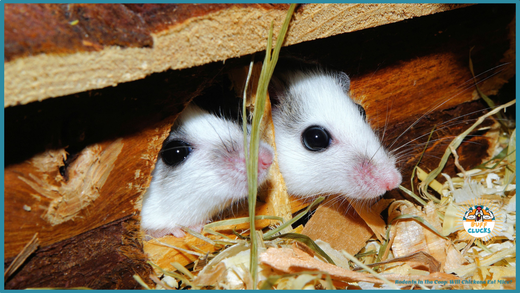
The short answer: Chickens will eat mice — and sometimes actively hunt them — which is interesting but not a meaningful form of rodent control. More importantly, rodents in the coop pose serious health and safety risks to your flock that require proactive management beyond what chickens can handle on their own.
When it comes to backyard chickens, it’s all fun and games until you spot a mouse darting across the coop floor. Then, suddenly, you’re Googling, “Will chickens eat mice?” and wondering if your chickens are natural pest control or just unwitting participants in a rodent rave. Let’s dig into the truth about chickens, mice, and keeping your coop rodent-free, without losing your eggs over it.
The Pecking Truth If Your Chicken Will Eat Mice
Yes, chickens will eat mice, but before you start picturing your flock as a squad of feathered exterminators, let’s be clear: while chickens are omnivores and won’t turn down a wriggling snack, they’re not actively hunting mice. If a mouse scurries by and one of your more curious hens spots it, there’s a good chance she’ll give chase and peck at it. If she catches it, she might eat it, and then probably spend the rest of the day bragging about her victory to the rest of the flock.
But relying on chickens to handle your mouse problem? That’s like expecting your toddler to clean up the playroom: they might help a little, but you’re going to have to step in and finish the job.

Why Mice in the Coop Are a Major “Oh, Cluck” Situation
Rodents in the coop are more than just a creepy nuisance. These little invaders can:
Mice Steal chicken feed
Mice love chicken feed almost as much as your chickens do. They’ll dive right into your feeders like it’s an all-you-can-eat buffet, and guess who’s footing the bill? Yep, you. Every nibble they take is one less bite for your flock, and over time, that can seriously mess with your chickens’ diet, and your budget.
Spread disease
Mice are like tiny, furry germ factories on the go. They carry diseases like salmonella, which can make your chickens sick faster than you can say “hospital wing.” And don’t even get us started on the droppings they leave behind. It’s like an unwanted seasoning on your chicken feed that nobody asked for.
Mice Attract predators
If you think mice are bad, wait until their bigger, scarier friends show up. Mice are basically a dinner bell for predators like snakes, raccoons, and even foxes. Your coop could turn into a predator buffet.
Stress out your flock
Chickens are not fans of surprise roommates, especially the sneaky, scurrying kind. Rodents zipping around the coop can send your birds into a feathery panic. Stressed chickens don’t lay eggs, and if they’re too anxious, they might even stop eating. Talk about a cluck-tastrophe.

Red Pepper Flakes — Your Secret Weapon Against Mice
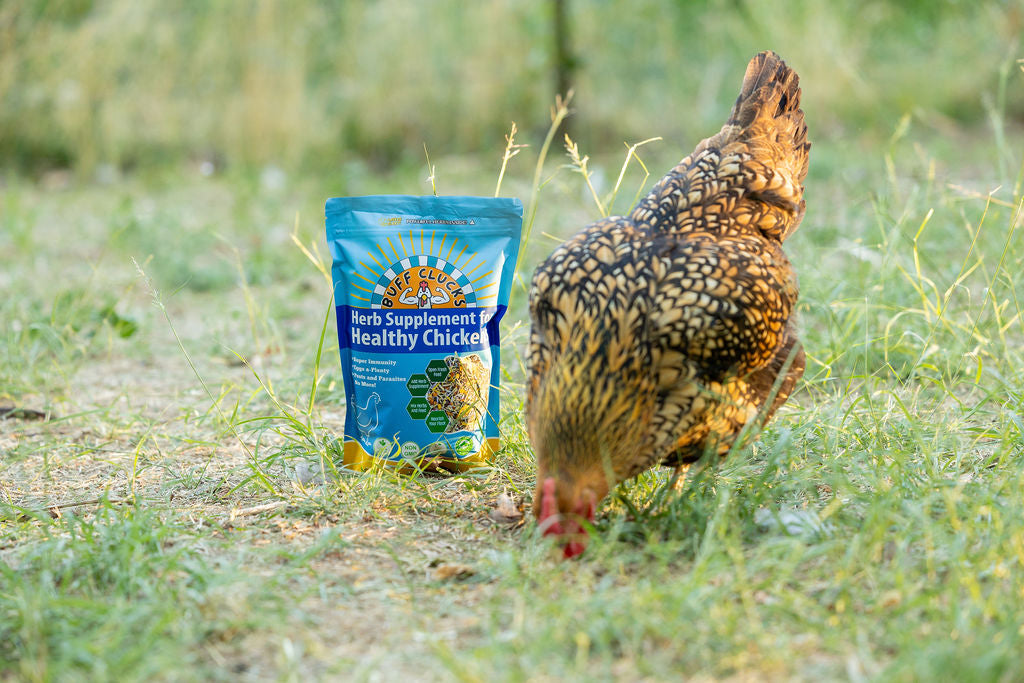
Need an extra boost? Buff Clucks Herb Supplement for Backyard Chickens is your go-to. This herb-packed blend not only supports your chickens’ health but also doubles as a natural pest deterrent when added to their nesting boxes. And here’s the spicy secret: it includes red pepper flakes!
These fiery flakes are the MVP of pest control, repelling rodents while preventing parasite infestations. Chickens can’t taste spice, but rodents sure can, and they’ll hate every nibble. Adding red pepper flakes to your routine keeps mice and rats from raiding your chickens’ feed, turning your coop into a no-go zone for these uninvited guests.
Here’s how to use red pepper flakes:
-
Mix them into the feed — Add a hearty sprinkle of red pepper flakes to your chicken feed. It’ll spice things up for rodents but won’t faze your flock one bit.
-
Create a spicy barrier — Sprinkle red pepper flakes around the perimeter of your coop. This invisible fiery fence sends rodents packing before they even get a taste.
-
Add to nesting areas — Dust nesting boxes with a light layer of flakes. This keeps mice from setting up shop where your hens lay their eggs.

A Mouse-Free Checklist
Keeping rodents out of your coop takes more than just wishful thinking. It’s a process, but with a little effort (and a dash of sass), you can send those mice packing for good. Here’s how to keep your coop a mouse-free zone:
Seal all entry points
Mice are like tiny escape artists, squeezing through holes no bigger than a dime. Walk around your coop with a flashlight and some hardware cloth to patch up every crack and crevice. Think of it as building a fortress, because a rodent-free coop is worth it.
Store feed securely
If you’re still using that old, chewed-up bag to store feed, it’s time for an upgrade. Invest in metal bins with tight-fitting lids. Not only will it keep the mice out, but it’ll also give your coop a stylish, farmhouse vibe.
Clean up spilled feed
Think of spilled feed as an open invitation to every rodent in the neighborhood. Sweep up those crumbs daily, and you’ll be closing down the all-you-can-eat rodent buffet.
Elevate feeders
Hanging feeders aren’t just for looks, they’re a practical way to keep food off the ground and out of reach of rodents. Plus, your chickens will feel extra fancy dining from their elevated table.
Keep the coop fresh
Buff Clucks CoopShield is your one-stop solution for a clean and rodent-resistant coop. With diatomaceous earth and herbs, it’s a natural deterrent for pests like mites and lice while keeping your coop smelling delightful. Think of it as aromatherapy for your hardworking hens, who deserve a break from both pests and bad smells.
The Coop Chronicles
So, will chickens eat mice? Sure, but don’t count on them to evict every rodent in the neighborhood. By combining clever tricks like red pepper flakes, good coop hygiene, and natural pest deterrents, you can keep your coop rodent-free and your flock happy.
Say goodbye to unwelcome guests and hello to a happier, healthier flock. With the right tricks and a dash of spice, your chickens will reign supreme while the rodents hit the road!
Frequently Asked Questions: Rodents in the Chicken Coop
Do chickens really eat mice?
Yes — chickens are omnivores and will catch and eat small mice, especially young or injured ones. This behavior occasionally surprises new keepers but is completely natural. However, chickens are not efficient rodent control — they won't pursue adult mice aggressively or address an established infestation. They may opportunistically catch a mouse but are not a substitute for proper rodent management.
Why are rodents dangerous in a chicken coop?
Rodents in the coop pose multiple serious risks: they steal and contaminate feed, they spread diseases (Salmonella, Leptospirosis, Lymphocytic choriomeningitis) through droppings, they may predator-prey on chicks and eggs, they attract larger predators that will target chickens, and they can chew through coop structures creating entry points for other threats.
How do I keep mice out of my chicken coop?
Key prevention measures: store all feed in sealed metal containers (rodents can chew through plastic), use hardware cloth (not chicken wire) on all openings — mice can fit through gaps smaller than a dime, seal any gaps larger than a quarter inch in walls and floors, clean up spilled feed daily, remove debris piles near the coop that provide rodent harborage, and consider keeping a barn cat.
Can rodents spread disease to my chickens?
Yes. Rodent droppings contaminate feed and water with pathogens including Salmonella and various bacterial infections. Rodents can also carry external parasites (mites, fleas) that transfer to the flock. Maintaining rodent-free feed storage and regularly cleaning areas where rodent activity is suspected reduces disease transmission risk significantly.
What natural methods deter rodents from a chicken coop?
Natural deterrents include: peppermint oil on cotton balls placed near entry points (repels rodents effectively), diatomaceous earth around the coop perimeter, essential oil sprays containing peppermint or eucalyptus, hardware cloth buried in an L-shape around the coop perimeter to prevent burrowing, and keeping the coop area clean and clear of debris. CoopShield contains peppermint as part of its herbal blend for dual pest deterrence.