Winter Chicken Stress and the Spring Egg Slowdown
Winter chicken stress sneaks into the coop quietly, settling in like an uninvited guest that overstays its welcome and makes your hens whisper, “Maybe we’ll lay tomorrow.” Those tiny winter stressors stack up faster than a hen spotting an open treat bag, and by spring, your flock is playing catch-up instead of kicking off their egg comeback tour.
Understanding how winter stress in chickens builds and how to prevent it keeps your girls confident, comfy, and ready to fire up the nesting boxes the moment the days lengthen. A small change today makes a major difference in egg baskets tomorrow.
How Winter Chicken Stress Silently Delays Spring Laying
Winter chicken stress doesn’t always look dramatic. Sometimes it’s the quiet kind, the kind hens puff their feathers through without complaint until egg output drops like a rock in March. Cold weather changes how hens allocate their energy. Body warmth always comes first. Feather condition, immune support, digestion, and egg development fall lower on the priority list when too many stress points pile up.
Research shows that stress elevates cortisol and suppresses reproductive hormones, meaning hens take longer to restart laying once days get longer. In other words, the more we lighten their winter load, the faster they bounce back later. This is where clean routines, good nutrition, and low-stress coop habits matter most.
Drafts and Dampness Cause Hidden Chicken Stress in Winter
Dry and cold is one thing. Cold and damp are the real troublemakers. Chickens can handle low temperatures remarkably well, but moisture strips warmth from their feathers, irritates their lungs, and increases metabolic strain. Damp air also raises ammonia, which stresses the respiratory system and slows recovery from normal winter fatigue.
Many keepers accidentally cause winter stress in chickens by sealing the coop too tightly or ignoring subtle drafts around the roost. The sweet spot is dry air, open ventilation near the roof, and no cold wind reaching your hens at night.
Signs that winter dampness is creeping in include:
- Strong ammonia smell even after bedding changes
- Hens sleeping puffed up and restless
- Moisture collecting on coop windows
- Frostbite showing up despite mild temperatures
Fixing airflow early reduces winter chicken stress dramatically and sets the stage for better spring production.

When Low Light Turns Into Long-Term Stress
Shorter days naturally trigger a pause in laying, but the real trouble starts when hens struggle to maintain a normal daylight rhythm. Inconsistent lighting, dim coops, and abrupt changes confuse hormone cycles. Hens rely heavily on predictable light patterns to restart laying in spring. If winter disrupts those internal clocks too much, spring rebound slows.
A simple lighting routine allows hens to conserve energy without drifting into extreme shut-down mode. Keep light transitions gentle, avoid flickering bulbs, and maintain a steady morning schedule rather than adding hours after sunset. Consistency is more important than brightness.
Feed Gaps Create Winter Stress in Chickens
Winter bodies burn fuel fast. Your hens are tiny feathered furnaces, and inadequate nutrition becomes one of the biggest silent stressors of the season. When feed falls short on protein, minerals, or calories, hens redirect nutrients away from eggs and toward survival.
Winter nutrition hiccups often happen from:
- Feed that sits too long and loses nutrient quality
- Not enough protein after a late molt
- Water that freezes, limiting feed intake
- Short foraging time that reduces natural variety
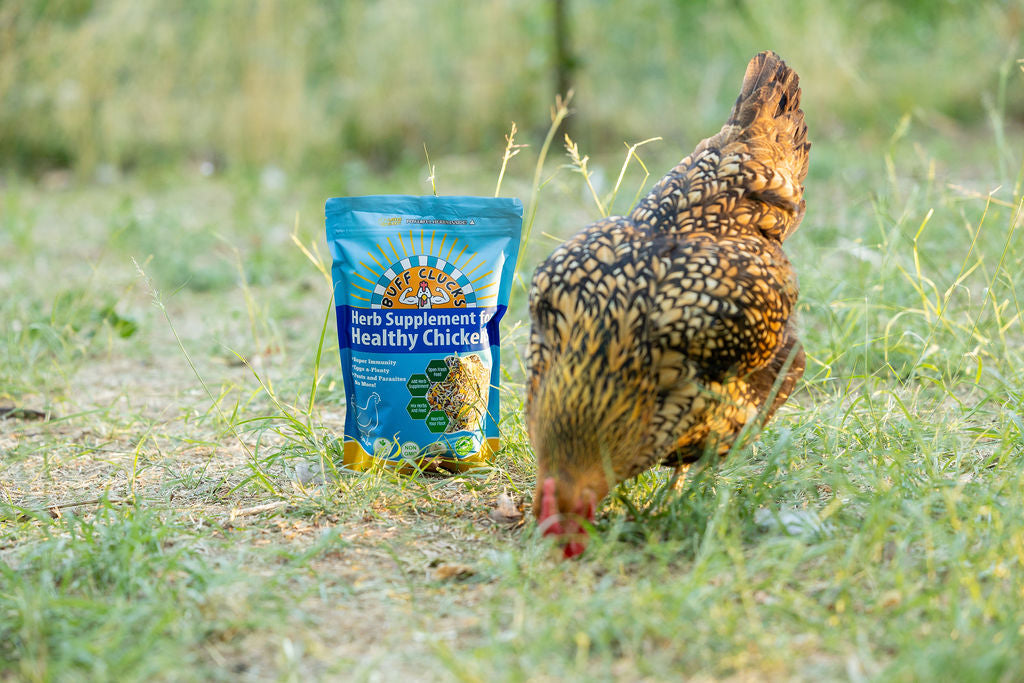
You can reduce winter chicken stress by offering a balanced winter diet and supporting digestion during seasonal shifts. If you want an internal link moment, this is a natural fit to guide readers toward better care practices through Buff Clucks Herb Supplement as part of a winter wellness routine, helping hens actually use the nutrients you’re already feeding them.
Micro Stressors That Add Up During Winter
Little things create big ripples. Winter chicken stress often builds through dozens of tiny discomforts rather than one glaring issue. When several of these occur at once, hens push egg production further down the priority list.
Common micro stressors include:
- Not enough dry dust bath access
- Overcrowding inside the coop
- Sudden changes in roosting arrangements
- Waterers placed too close to bedding, causing damp areas
- Routine disruptions that unsettle flock hierarchy
Each one seems harmless until it happens daily for two months. Once corrected, hens settle faster, maintain better body condition, and return to laying sooner when spring arrives.

How to Break the Winter Stress Cycle for Better Spring Eggs
A few intentional habits help hens transition smoothly from deep winter to peak spring performance. Think of it as winter prep that pays you back in yolks.
Here’s a streamlined flock-strengthening approach:
- Keep bedding dry and layered to reduce moisture stress
- Maintain consistent lighting to avoid hormone confusion
- Offer small daily enrichment to reduce social tension
- Increase nutrition quality without overfeeding scratch
- Give hens reliable access to clean, unfrozen water
- Strengthen immunity and digestion, so hens manage seasonal stress more easily
This creates a winter environment that supports steady internal balance instead of forcing hens into damage control mode.
The Spring Payoff When Winter Chicken Stress Stays Low
The less winter stress in chickens, the faster their reproductive system restarts once daylight stretches past ten hours. You’ll see fuller comb color, stronger appetite, glossier feathers, and earlier nesting interest. Hens that remain energetically stable through the cold months rarely experience delayed spring slumps.
We cover the subtle mistakes that compromise spring egg production here. If you want an even deeper dive into optimizing winter routines, you can explore more guides and internal resources right inside the Buff Clucks blog library.
When Winter Expectations Signal Something More Serious
Sometimes what looks like a normal winter slowdown is actually a sign your flock needs closer attention. Watch for:
- Constant lethargy rather than gentle winter resting
- Frequent soft shells or shell-less eggs
- Abrupt appetite changes
- Persistent respiratory irritation
- Severe pecking order tension
These patterns suggest stress levels that need intervention, not just seasonal patience. Small corrections usually solve the issue, but noticing early is the key.