Chicken Respiratory Issues in Winter
Winter chicken respiratory issues tend to sneak into the coop right when everything else feels calm and cozy. One day, your flock sounds normal, and the next, you hear sneezes echoing off the walls like a tiny chicken cold orchestra. Winter changes how air, moisture, and dust behave inside the coop, and those shifts matter more than most keepers realize.
Cold weather alone rarely causes problems. Moisture buildup, stale air, and indoor crowding do the real damage. Once you understand what triggers chicken respiratory issues in winter, you can stop small symptoms from turning into a full blown coop drama.
Why Chicken Respiratory Issues in Winter Are So Common
Chicken respiratory issues in winter increase because chickens spend more time inside, breathing the same air for longer stretches. Warm breath rises overnight, hits cold surfaces, and turns into condensation before morning chores even begin. Damp bedding and humid air follow quickly.
Many well-meaning keepers seal coops too tightly, trying to keep birds warm. Unfortunately, trapped moisture and ammonia irritate airways far faster than cold temperatures ever could. Chickens handle chilly air well, but they do not tolerate stale, damp air without protesting.
Normal Winter Noises VS Real Respiratory Trouble
Winter adds a whole new soundtrack to the coop, and not every sneeze deserves panic mode. Chickens stir up dust, bedding shifts, and dry winter air irritate sensitive noses from time to time. Knowing what harmless background noise is versus a real red flag helps you stay calm and respond smart.
Normal Noises
Some winter sounds are completely harmless and part of everyday chicken life. Scratching, dust movement, and dry bedding can all cause brief irritation without signaling illness.
- Occasional sneezing right after coop cleaning or bedding changes
- A single bird sneezing once or twice while scratching
- No nasal discharge, swelling, or visible irritation
- Normal appetite, activity levels, and egg laying
These sounds usually fade once the dust settles and the airflow improves. Chickens bounce right back to their busy routines like nothing ever happened.
Real Trouble
Real respiratory trouble does not whisper. It repeats itself, spreads through the flock, and slowly changes behavior if left unchecked.
- Frequent sneezing across multiple birds
- Wet nostrils, bubbles, or discharge
- Swollen or watery eyes
- Open mouth breathing or repeated head shaking
- Lethargy, reduced appetite, or a drop in activity
When symptoms stack up like this, chicken respiratory issues in winter move beyond mild irritation and deserve attention sooner rather than later. Catching the difference early keeps small issues from turning into long winter projects. Calm observation paired with smart coop management goes a long way toward keeping winter peaceful, quiet, and sneeze-free.

The Sneaky Villain Behind Winter Chicken Respiratory Issues
Moisture is the main troublemaker hiding behind winter respiratory symptoms. Chickens breathe out humidity all night, and cold weather traps it fast. Damp bedding releases ammonia, even when your nose cannot detect it yet.
That invisible ammonia irritates delicate respiratory tissue with every breath. Add mold spores from wet litter, and suddenly sneezing makes perfect sense. Dry bedding and steady airflow shut this whole cycle down before it gains momentum.
Managing Chicken Respiratory Issues with Proper Ventilation
Ventilation keeps respiratory issues from settling in, even during freezing nights. Fresh air must escape from high points in the coop where moisture collects. Low-level drafts near roosts cause chilling and stress, not respiratory relief.
Balanced airflow keeps humidity down while maintaining warmth below roost level. Chickens stay comfortable, bedding dries faster, and sneezing loses its reason to stick around.
Bedding Choices That Support Respiratory Health
Bedding does far more than cushion feet or keep eggs clean, especially during winter when chickens spend more time indoors. What sits on your coop floor directly affects air quality, humidity levels, and how much ammonia builds up overnight while birds roost. When bedding stays dry and breathable, it protects sensitive airways. When it stays damp, respiratory irritation follows quickly.
- Pine shavings absorb moisture well when fluffed regularly
- Straw mats quickly and traps humidity if not refreshed often
- Wet bedding increases ammonia release overnight
- Stirring bedding helps release trapped moisture and odor
- Dry bedding keeps respiratory irritation from lingering
Using moisture-managing tools like CoopShield fits easily into winter routines and helps bedding stay less inviting to bacteria and mold. Dry floors mean easier breathing and fewer winter surprises.
Nutrition Quietly Supports Respiratory Health
A healthy respiratory system depends on immune strength, especially in winter. Stress from cold, confinement, and limited foraging increases nutrient demands across the board.
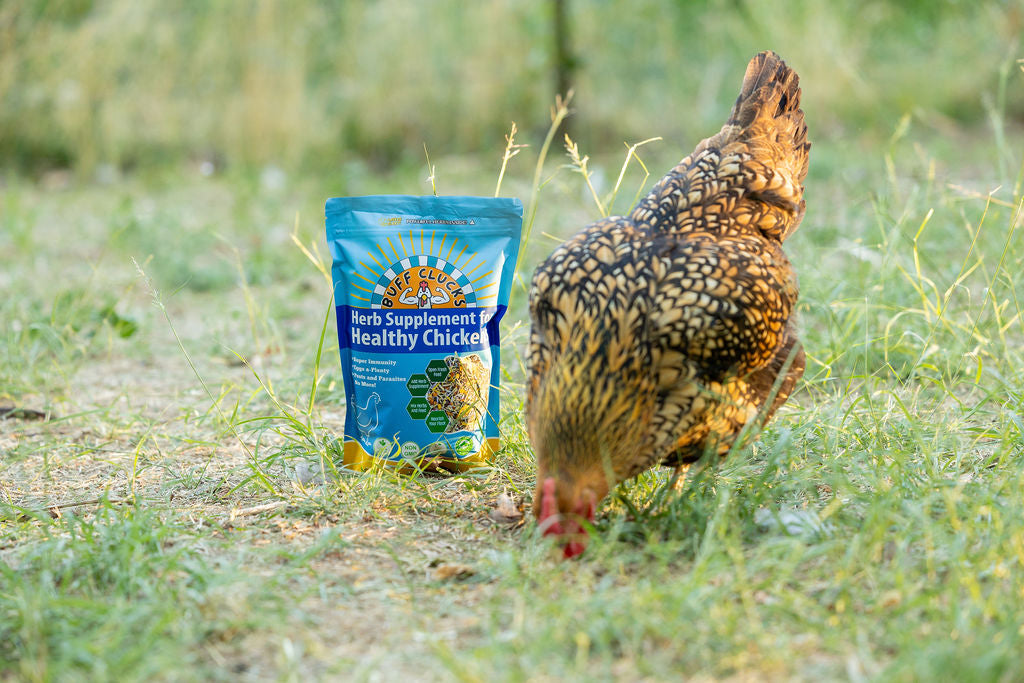
Herbs like oregano and garlic support respiratory and immune function naturally. Adding Buff Clucks Herb Supplement consistently during winter supports birds before symptoms show up, which works far better than reacting after sneezing starts.
How Hydration Supports Chicken Respiratory Issues
Chickens often drink less in winter, even though hydration keeps respiratory tissues functioning properly. Dry air combined with dehydration leaves the nasal passages vulnerable to irritation.
Keeping water fresh and appealing supports steady intake. Adding AquaBoost encourages drinking while offering gentle electrolyte and probiotic support during cold stress. Hydration may be quiet work, but it pays off loudly in flock health.

When Sneezing Turns Into Something More Serious
Some winter sneezing clears quickly once moisture levels drop and fresh air starts moving again. That is the ideal outcome, and it happens often when environmental fixes do their job. Other situations, however, continue to escalate even after bedding dries out and ventilation improves, which usually means the issue runs deeper than simple irritation. Paying attention to how symptoms change over time tells you far more than a single sneeze ever could.
- Symptoms worsen instead of stabilize
- Thick or sticky nasal discharge appears
- Multiple birds show signs at once
- Appetite or energy drops noticeably
- Breathing becomes labored or noisy
When these signs show up together, they point toward infection rather than environmental irritation. Separating affected birds, maintaining a dry and well-ventilated coop, and seeking professional guidance helps protect the rest of the flock while the recovering bird gets the focused care she needs.
Smart Steps to Reduce Winter Respiratory Stress
Small, consistent adjustments often do more for winter respiratory health than big overhauls. When moisture, airflow, and daily care stay balanced, chickens handle cold weather with far less respiratory strain. The goal is not perfection, but steady habits that keep the coop dry, breathable, and comfortable.
- Keep bedding dry and fluffed to limit ammonia release
- Maintain high ventilation while blocking direct drafts
- Refresh water daily to encourage steady drinking
- Support immune health through consistent nutrition
- Reduce dust by gentle cleaning instead of aggressive sweeping
These steps work best as a team, not as quick fixes. Winter chicken respiratory issues rarely come from a single cause, so layered care creates lasting protection and a calmer, healthier coop all season long.
Supporting Recovery After a Respiratory Scare
When respiratory symptoms begin to fade, the recovery phase matters just as much as the initial response. Chickens often look better before they are fully recovered, and too many changes too quickly can set them back. Consistency gives their immune systems the space they need to finish the job without added stress.
- Maintain dry bedding and proper ventilation
- Avoid introducing new birds or major changes
- Keep nutrition and hydration consistent
- Watch closely for returning symptoms
- Allow time for the immune system to finish recovery
Calm, predictable routines support healing far better than constant adjustments. Slow and steady care keeps winter respiratory issues from circling back and lets your flock return to their normal, happy rhythm.
Prevention Keeps Winter Quiet and Peaceful
Winter chicken respiratory issues almost always trace back to moisture, airflow, and stress working together. When those three stay balanced, sneezing stays rare and mild.
Dry coops, fresh air, steady nutrition, and good hydration carry flocks through winter smoothly. Instead of listening for sniffles, you get to enjoy calm clucking and a coop that smells clean rather than damp. That is a winter win worth crowing about.