Supplemental Light for Chickens Tips and Tricks That Actually Work
Supplemental light for chickens has a way of turning quiet coops into opinionated debates faster than a missing egg at breakfast. Artificial lighting can absolutely help support egg production during short days, but success comes from smart timing, gentle setup, and realistic expectations. Chicken supplemental lighting works best when it feels like a natural nudge, not a coop wide interrogation lamp.
Why Supplemental Light for Chickens Actually Works
Chickens lay eggs based on daylight signals, not calendar dates or wishful thinking. Most hens need roughly 14 to 16 hours of total light to keep reproductive hormones steady and predictable. Supplemental light for chickens simply fills the winter daylight gap so bodies stay on a familiar rhythm.
Light tells hens what season it is. Longer days signal laying mode, while short days encourage rest and feather repair. Artificial light should whisper springtime, not shout midnight snack bar.
When Chicken Supplemental Lighting Is a Good Idea
Chicken supplemental lighting works best when hens are healthy, settled, and already past their first full molt. Mature layers often respond nicely when daylight drops fast and the egg basket suddenly sounds very hollow. In this stage, lighting acts like a gentle nudge, not a loud alarm clock.
Skip artificial light if hens are deep into molting, battling stress, or recovering from illness. Their bodies need rest before production, even if breakfast demands otherwise. Pushing eggs too early usually leads to slower recovery and fewer eggs down the road.
How Much Light Is Enough
More light does not equal more eggs, it usually equals more coop drama. Aim for a total of 14 to 16 hours of combined natural and artificial light each day. Anything beyond that can disrupt sleep, raise stress levels, and shorten laying stamina.
Consistency matters more than brightness or enthusiasm. Chickens thrive on predictable routines that never change, even when keepers feel tempted to adjust things daily. A boring schedule is an egg laying superpower.
Chicken Supplemental Lighting Bulbs That Keep Things Calm
Soft lighting keeps the coop relaxed and productive. A warm toned LED bulb around 40 to 60 watts equivalent offers plenty of visibility without triggering agitation. Chickens do not need spotlight treatment to lay eggs with confidence.
Placement matters just as much as bulb choice. Mount lights overhead and away from roosts to avoid glare and shadow hopping. Flicker free bulbs help maintain calm behavior and steady egg routines.

The Timing Trap Most Keepers Miss
Morning light works far better than extending evenings. Turning lights on before sunrise feels natural and lets hens wind down normally at dusk. Late night lighting often confuses sleep cycles and creates restless pacing.
A simple timer keeps everything predictable and drama free. Chickens notice missed schedules instantly and judge silently but harshly. Automation keeps the peace.
Supplemental Light for Chickens During Molting
Molting season calls for patience, protein, and darkness. Feather regrowth takes serious energy, and egg production should not compete for resources. Adding supplemental light for chickens during a heavy molt often slows recovery and weakens birds.
Wait until feathers fully return and body condition looks strong before restarting lighting. Fresh plumage signals that internal systems are ready to shift gears again. Healthy feathers now lead to stronger laying later.
Nutrition Still Runs the Egg Department
Light sets the schedule, but nutrition builds the eggs. Without proper protein and mineral support, extra daylight just exposes gaps in the diet. Hens may lay briefly, then stall out fast.
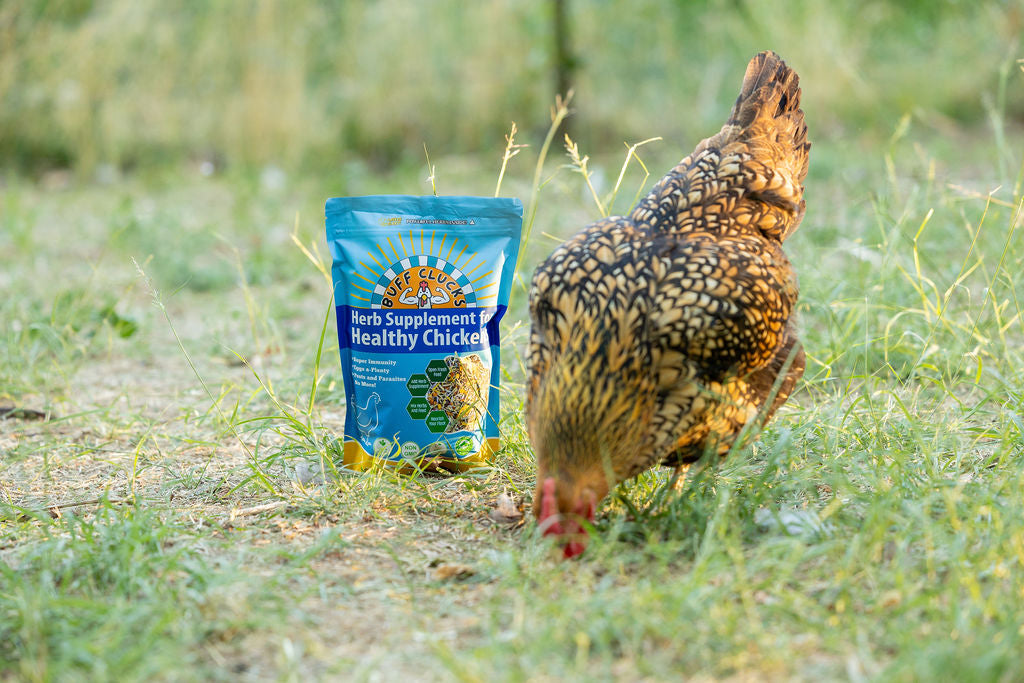
Supporting digestion and nutrient absorption helps birds actually use that extra daylight. Many keepers choose to add Buff Clucks Herb Supplement during lighting changes to support overall balance as routines shift.
Common Mistakes That Backfire
Even the most well meaning lighting plans can wander off the roost. Chicken supplemental lighting works best when it stays simple, steady, and respectful of biology, but a few common habits can quietly undo good intentions. Catching these early keeps egg production on track and coop drama at bay.
- Leaving lights on all night
- Using bulbs that are too bright
- Changing schedules frequently
- Adding light during illness or molt
- Expecting instant egg miracles
Egg production responds on its own schedule, not ours. Give any lighting change two to three weeks before judging results, and resist the urge to tweak daily. Patience lays better eggs than panic.
Behavioral Signs Your Lighting Is Off
Chickens never keep secrets, especially when lighting feels wrong. Before blaming weather, feed, or moon phases, watch how your flock behaves during roosting and early mornings. Behavior often tells the truth faster than egg counts.
- Restless roosting or pacing at night
- Increased pecking or cranky squabbles
- Loud vocalizing after lights shut off
- Difficulty settling at dusk
- Early morning confusion or stress
Calm, predictable behavior usually signals lighting success. When the coop feels chaotic or edgy, it is time to adjust light timing or placement. Happy hens sleep well and lay better.

Does Chicken Supplemental Lighting Shorten Lifespan?
This question pops up in nearly every coop conversation. Chicken supplemental lighting does not automatically shorten lifespan, but constant year round pressure can. Balance keeps birds productive longer.
Many keepers use supplemental light only during the darkest months, then allow natural daylight to take over in spring. Hens appreciate the seasonal break even if breakfast plates complain briefly.
Seasonal Strategy That Works
A seasonal approach to supplemental light for chickens delivers better results than flipping lights on and forgetting about them. Gradually add light as days shorten, keep total daylight capped at 16 hours, then ease lighting back as natural days lengthen. This slow adjustment keeps hormones steady and avoids shocking the system.
Think rhythm instead of rigidity when managing lighting schedules. Chickens thrive on predictable patterns that follow nature rather than fight it. When light changes feel gradual and familiar, egg production stays smoother and flock stress stays low.
Quick Checklist for Chicken Supplemental Lighting Success
A little preparation goes a long way before adding artificial light. Chicken supplemental lighting works best when it supports health instead of pushing limits. This quick checklist keeps expectations realistic and results steady.
- Flock is healthy and done molting
- Timer is set and consistent
- Bulb is soft and warm toned
- Light runs in early morning only
- Nutrition and hydration are solid
When these pieces align, supplemental light for chickens becomes a helpful support system instead of a stress trigger. Smooth routines keep flocks calm, eggs consistent, and keepers smiling at breakfast.
So, To Light or Not?
Artificial lighting is not cheating nature, it is working alongside it with intention. Supplemental light for chickens supports winter laying best when paired with patience, steady routines, and good care. Eggs follow health long before they follow switches.
Used thoughtfully, chicken supplemental lighting keeps winter productive without turning your coop into an all night diner. Calm birds, steady light, and balanced care always lay the best results.