Rodent-proof Coop Moves That Shut Down Winter Feed Theft
The short answer: Rodent-proofing the chicken coop focuses on three things: eliminating entry points, securing feed storage, and removing harborage — because once rodents establish in a coop, they're difficult to remove and bring disease and predator pressure with them.
Rodent-proof chicken coop planning becomes essential once winter hits and local rodents realize your coop is warmer than their current lease. Cold weather pushes rats and mice out of fields and into cozy structures packed with grain, bedding, and predictable routines. Chickens may act unbothered, but rodents quietly drain feed, contaminate supplies, and turn winter into a long game of nutritional sabotage.
Winter rodent problems follow patterns. Understanding why they show up and how to block them keeps your flock fed, healthy, and blissfully unaware of the freeloaders you just evicted.
Why Winter Turns Your Coop Into a Rodent Hotspot
Falling temperatures wipe out natural food sources and collapse outdoor shelters. Rodents respond by following heat, calories, and water. Chicken coops offer all three with zero application process.
Feed smells travel farther in cold air. Bedding traps warmth. Waterers stay liquid longer than outdoor puddles. Once rodents move in, they establish routes, nests, and backup plans fast. Winter gives them fewer options, so persistence skyrockets.
How Feed Theft Undermines Flock Health All Winter
Feed loss rarely looks dramatic at first. Small daily theft adds up, and contamination causes more damage than missing grain. Chickens either waste fouled feed or ingest bacteria along with breakfast.
Hidden impacts of winter rodent activity include:
- Reduced nutrient intake and weaker immunity
- Lower usable protein despite full feeders
- Disrupted sleep from nighttime activity
- Increased disease exposure from droppings
- Secondary pests drawn to contaminated feed
- Structural damage creates new entry points
Winter already demands extra calories for warmth. Losing nutrition to rodents stacks the odds against steady laying and overall resilience. Cold-stressed birds burn more energy just staying warm, so even minor feed losses can quietly snowball into weight loss, suppressed immunity, and delayed spring recovery.
Rodent-proof Chicken Coop Basics That Actually Work
A rodent-proof chicken coop relies on layered defense instead of gimmicks. Rodents succeed through persistence, so blocking one access point rarely solves the problem. Each small improvement removes another opportunity until the coop no longer feels worth the effort.
Strong fundamentals include:
- Sealing gaps larger than a dime with hardware cloth
- Replacing soft or rotting wood
- Reinforcing warped doors and loose panels
- Elevating coop floors above ground level
- Blocking space under ramps and steps
- Adding wire barriers around the coop base
Rodents squeeze through openings much smaller than most people expect. Hardware cloth with quarter-inch spacing blocks entry while still allowing airflow, making it far more effective than chicken wire for winter rodent prevention.

Rodent-proof Coop Feed Storage That Stops the Buffet
Feed storage causes more rodent infestations than weather, predators, or simple bad luck combined. Grain smells travel farther in cold air, and even small spills signal an easy meal to rats and mice scouting for winter shelter. Once rodents learn where food appears regularly, they return nightly and bring friends.
Feed protection that works:
- Store all feed in sealed metal containers
- Remove feeders at night or switch to spill-resistant designs
- Sweep spilled grain before dusk
- Store scratch and treats far from the coop
Predictable food access trains rodents fast. Breaking feeding routines and eliminating overnight availability removes the reward, which pushes rodents to look elsewhere rather than settle in for the season.
Bedding and Moisture Control for a Rodent-proof Chicken Coop
Rodents love undisturbed, damp bedding layered thick enough to hide movement. Winter moisture builds from droppings and respiration, creating perfect nesting conditions.
Dry bedding disrupts burrows and removes scent markers that rodents rely on to navigate. Regular turning exposes tunnels and forces relocation.
Light, consistent coop maintenance makes a difference here. CoopShield fits naturally into this routine by absorbing moisture and discouraging pests from settling into bedding and nest boxes. Clean, dry spaces offer fewer reasons for rodents to stay.
Rodent-proof Chicken Coop Design Tweaks for Winter Success
Winter makes rodent traffic patterns easier to spot because food options shrink and movement concentrates around reliable shelter. Droppings along walls, gnaw marks on wood, and compressed bedding near edges often point directly to entry routes rodents use night after night.
Helpful adjustments include:
- Installing wire aprons around the coop base
- Raising feeders off the ground
- Blocking gaps beneath nest boxes
- Reinforcing corners and door frames
Apron wire stops rodents from tunneling directly beneath the coop walls without requiring major construction. Repeated failed digging attempts drain their energy and motivation, making the coop far less appealing as a winter shelter.

Protecting Flock Health While You Lock Out Rodents
Rodent presence stresses chickens even without visible feed loss. Nighttime noise and scent disrupt rest, which weakens immune balance over time.
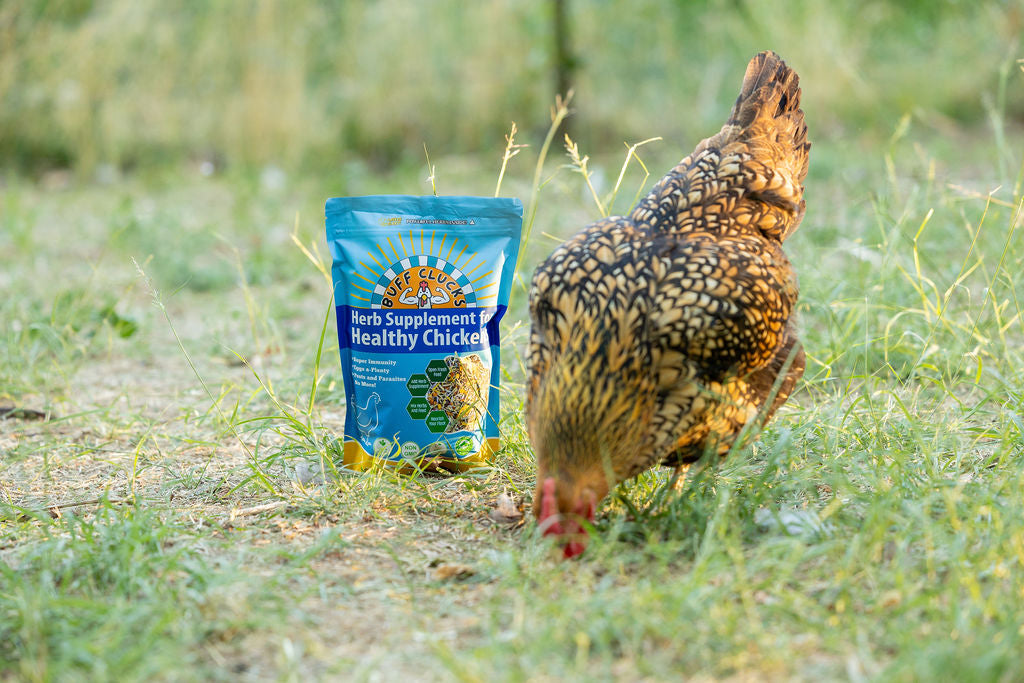
Nutrition support becomes preventative during winter confinement. Buff Clucks Herb Supplement helps support digestion and immune function when natural foraging disappears. Strong nutrient absorption helps birds stay resilient during colder months and environmental stress.
Why Poisons and Quick Fixes Fail Long Term
Poison introduces risks for chickens, pets, and wildlife. Dead rodents inside walls create odor issues and attract insects. Traps reduce numbers temporarily but never solve access problems.
Effective winter control focuses on exclusion first, sanitation second, and population control last. Blocking entry ends the cycle instead of restarting it weekly.
Signs Your Rodent-proof Coop Needs Reinforcement
Rodent activity rarely explodes overnight. Most infestations build slowly as rodents test access points, learn feeding schedules, and establish travel routes. Spotting early warning signs gives you the upper hand before a few curious visitors turn into a winter long problem.
Watch for:
- Faster than expected feed
- Droppings along walls or near feeders
- Gnaw marks on plastic, wood, or bags
- Bedding packed down near edges
- Chickens acting restless or alert overnight
- New gaps are appearing around doors or corners
Addressing these signs early protects feed supplies, limits structural damage, and prevents stress from quietly draining flock health. Early action costs far less time and money than fixing a full-scale infestation once winter settles in.
Winter Rodent Control That Holds Until Spring
A rodent-proof chicken coop works best when every system supports the next. Structural barriers stop entry. Cleanliness removes incentives. Secure feed cuts off calories. Nutritional support reduces stress impact.
Winter does not need to include sharing feed with freeloaders. Smart preparation keeps the coop quiet, clean, and focused on the birds who actually pay rent in eggs.
Frequently Asked Questions: Rodent-Proofing Chicken Coops
How do I keep mice and rats out of my chicken coop?
Rodent-proofing requires addressing three entry points simultaneously: structural gaps (seal all holes larger than a quarter inch with hardware cloth or metal flashing — rodents can't chew through metal), feed access (store all feed in sealed metal containers with tight-fitting lids), and ground access (bury hardware cloth apron 12 inches deep around the coop perimeter to prevent burrowing). Address all three to achieve real rodent control.
Why do rodents invade chicken coops?
Chicken coops offer three things rodents need: food (spilled feed, eggs, sometimes chicks), warmth (especially in winter when coops are heated or heated by bird activity), and shelter (coop walls, bedding, and stored equipment provide nesting sites). Removing any one of these attractants significantly reduces rodent pressure. Feed security is typically the highest-impact single change a keeper can make.
Are rats dangerous to chickens?
Yes — rats are a serious threat to backyard flocks. Large rats will kill baby chicks and steal eggs. Rats carry and spread diseases including Salmonella, Leptospirosis, and rat-bite fever through their droppings and urine that contaminate feed and water. Rat presence also attracts larger predators (snakes, weasels, foxes) that will target the chickens themselves. Rodent control is an integral part of flock safety, not optional management.
What natural methods deter rodents from coops?
Peppermint oil on cotton balls placed near entry points repels rodents effectively and needs replacing every 2-3 weeks. Herbal products containing peppermint and other rodent-deterring botanicals (like CoopShield) applied around the coop perimeter create a scent barrier. Barn cats are the most effective natural rodent control — a working cat eliminates both the rodents and the conditions that attract them.
How do I know if I have rodents in my coop?
Signs of rodent activity include: droppings (small, dark, pellet-shaped) in corners and along walls, gnaw marks on wood, feed containers, or electrical wiring, nesting materials in hidden corners or under bedding, sudden egg disappearances without evidence of aerial predator, scratching sounds at night, and visible burrow holes around the coop foundation. Check with a flashlight at night — rodents are most active after dark.