Jersey Giants: Why These Big Beautiful Birds are Awesome!
The short answer: Jersey Giants are the largest purebred chicken breed — reaching 11-13 lbs for roosters — combining impressive size with surprisingly calm temperament, excellent cold-hardiness, and dual-purpose utility. They're slower to mature but rewarding for keepers who value presence, personality, and versatility.
When it comes to backyard chickens, size may not always be the most important factor, but one look at a Jersey Giant will have you rethinking that. These birds are, quite literally, giants of the poultry world. However, there’s so much more to love about them than just their impressive stature. With a combination of practical purpose, unique history, and a personality as big as their bodies, Jersey Giants bring something truly special to any flock.
Bred in Burlington County, New Jersey, during the late 1800s, Jersey Giants were developed to meet the demand for a large and reliable meat bird. While they were originally bred as turkey alternatives, their role quickly evolved to include much more. Over time, these giants became beloved not just for their utility, but for their calm, friendly demeanor and beautiful appearance.
From their fascinating beginnings to their modern-day appeal, Jersey Giants prove that bigger really can be better. Their balance of beauty, practicality, and personality ensures that they’re more than just another chicken in the flock, they’re the centerpiece of it.
Why Chicken Keepers Love Jersey Giants
If you’re on the hunt for a breed that combines size, personality, and practicality, Jersey Giants are sure to impress. From their egg-laying to their family-friendly nature, these gentle giants bring a lot to the (nesting) table. Here’s why chicken keepers can’t get enough of them:
- Eggcellent Layers — Don’t let their meat-bird origins fool you. Jersey Giants are dependable layers, producing 150-200 large brown eggs annually. Talk about a breakfast bonus!
- Cold-Hardy Champs — Their larger bodies and thick feathering make them resilient to colder climates, which means you can count on these gals to keep laying even when the temperature drops.
- Kid-Friendly Personalities — Jersey Giants are known for being gentle and good with children. If you’re looking for a chicken that will charm the whole family, these birds are clucking perfect.
- Low Drama in the Coop — Unlike some smaller, flightier breeds, Jersey Giants have a calm, easygoing nature. They tend to get along well with other chickens, making them excellent additions to mixed flocks.
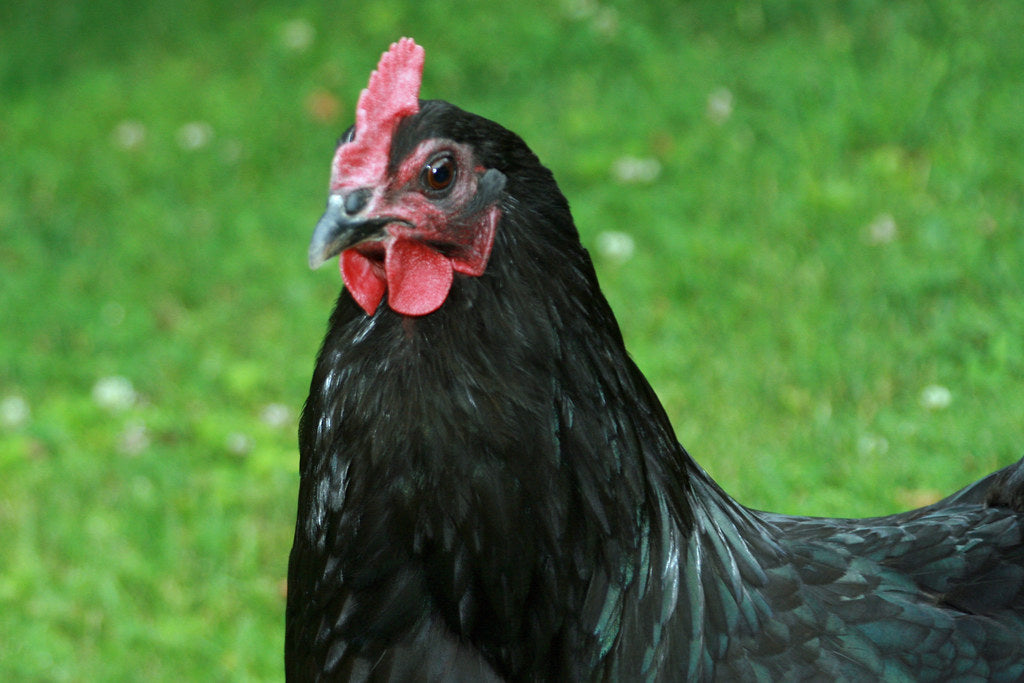
- Aesthetic appeal — With their sleek black feathers, sometimes with a greenish sheen or their beautiful blue and white variations, Jersey Giants are showstoppers in the coop. They’re as gorgeous as they are gentle!

Keeping Up with Your Jersey Giants
Of course, their size does come with a few considerations. Before you bring home a flock of Jersey Giants, here are some things to keep in mind:
1. Space Matters
These birds need plenty of room to roam. A cramped coop can lead to stress and health issues. Make sure your coop and run are spacious enough to accommodate their larger frames comfortably.
Adding Buff Clucks CoopShield to your coop’s bedding can help keep their space clean and fresh. This blend of diatomaceous earth and herbs not only absorbs moisture but also naturally deters pests, giving your flock a healthier environment to thrive.
2. Feed Them Right
Big chickens mean big appetites. Jersey Giants require a balanced diet rich in protein to support their size and egg production. High-quality layer feed is a must, and supplements can give them an extra boost.
Don’t forget to add AquaBoost to their water! This all-natural water supplement is packed with probiotics and essential nutrients to keep your Giants hydrated and thriving. Healthy hydration means happy hens, and happy hens mean plenty of eggs in your basket.

3. Consider Coop Sturdiness
Because of their size, Jersey Giants can be a little heavier on roosts and perches. Ensure your coop is equipped with sturdy perches that can handle their weight. Bonus points if the coop’s doors and nesting boxes are slightly larger than standard, making it easier for these gentle giants to navigate.
Things to Watch Out For
While Jersey Giants are generally low-maintenance, they do have a few quirks you’ll want to keep an eye on:
- Slow Growth — Unlike many other breeds, Jersey Giants take longer to mature. They typically don’t reach their full size until 18-24 months. Patience is key when raising these big beauties.
- Feather Pecking — Due to their size, they may become targets for feather pecking by more aggressive breeds. Keeping a close eye on flock dynamics is crucial.
- Heat Sensitivity — While they’re cold-hardy, their large bodies can make them more prone to overheating in the summer. Make sure they have plenty of shade and fresh water during hot weather.
- Joint Issues — Because of their heavy bodies, Jersey Giants can be more prone to joint strain and leg injuries. Providing soft bedding, lower perches, and plenty of space to move around can help minimize these risks.
Why Jersey Giants Are Worth It
Despite the extra care they may need, Jersey Giants are an egg-straordinary addition to any backyard flock. Their friendly nature, steady egg production, and striking appearance make them a joy to raise. Plus, their large size means they’re less vulnerable to predators than smaller breeds, giving you peace of mind when they’re out free-ranging.
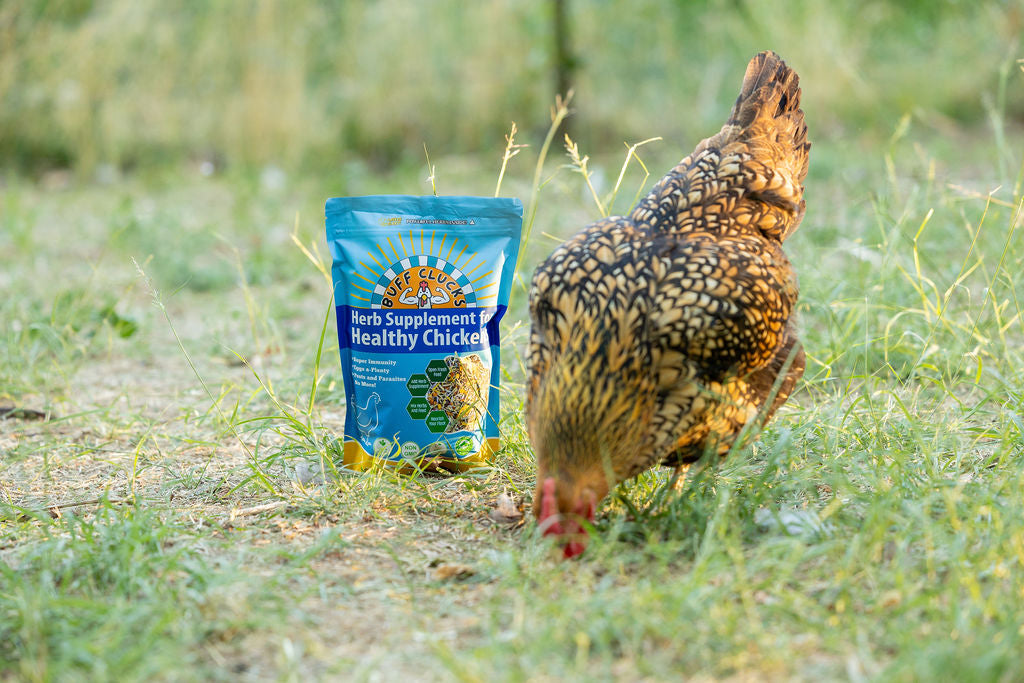
And speaking of peace of mind, don’t forget to stock up on our Herb Supplement for Backyard Chickens to keep your flock in tip-top shape. Packed with immune-boosting herbs, it’s a simple way to ensure your Jersey Giants (and their coop mates) stay healthy year-round.
Ready to Add a Giant to Your Flock?
If you’re looking for a chicken that’s big in size and personality, Jersey Giants are hard to beat. With a little extra love and the help of Buff Clucks products, they’ll reward you with years of companionship, delicious eggs, and the kind of coop charisma that only a gentle giant can provide.
Frequently Asked Questions: Jersey Giant Chickens
How big do Jersey Giants get?
Jersey Giants are the largest purebred chicken breed in the United States. Standard roosters weigh 11-13 pounds; hens weigh 8-10 pounds. They are significantly larger than other heavy breeds like Brahmas and Cochins. Their size develops slowly — they typically don't reach full adult size until 6-9 months of age, considerably later than other breeds. Their large frame requires appropriate space and infrastructure that lighter breeds don't need.
Are Jersey Giants good layers?
Jersey Giants are decent layers of large brown eggs — approximately 150-200 eggs per year. They lay more than ornamental breeds but less than dedicated production breeds like Leghorns or ISA Browns. They're best considered dual-purpose: adequate egg production combined with their primary historical purpose as a table bird. Their eggs are notably large, which appeals to many backyard keepers despite the lower production rate.
Are Jersey Giants good for beginners?
Jersey Giants are excellent beginner birds in terms of temperament — they're famously calm, gentle, and slow-moving, rarely aggressive, and tolerant of handling. The challenges for beginners are their size requirements (they need more space, higher ceilings, and wider roost bars than smaller breeds) and their slow maturation (you wait longer for eggs). If you have adequate space and patience, they're among the most rewarding breeds for new keepers.
How cold-hardy are Jersey Giants?
Jersey Giants are very cold-hardy. Their large body mass generates significant heat, their dense plumage provides excellent insulation, and their small-to-moderate combs have lower frostbite risk than large single-comb breeds. They're among the breeds that thrive in northern climates without supplemental heating in properly built coops. Their size actually helps them in cold — large thermal mass loses heat more slowly than small birds.
Do Jersey Giants need special care because of their size?
Yes — size creates specific needs. Roost bars should be lower (18-24 inches) and wider (4+ inches) to accommodate their weight and prevent foot injuries from jumping. Coop doors and nesting boxes must be large enough for comfortable access. They eat more than smaller breeds, which increases feed costs. Very heavy birds can be prone to leg and foot issues if jumping from high roosts onto hard surfaces, so ramps and soft landing areas are worthwhile additions.