Deep Litter Method in Winter: Cozy Solution or Frozen Mess?
The deep litter method has a certain wintertime charm that makes chicken keepers lean in closer and nod like they just heard a secret family recipe. Pile it high, let nature do its thing, and enjoy a warmer coop with fewer clean outs. In reality, the deep litter method for winter can feel magical or mildly terrifying depending on how well it matches your climate and coop habits.
This guide keeps things cheerful but honest. You will learn when the deep Litter Method in Winter earns its hype, when it turns into a frozen regret, and how to make smart choices that actually help your flock stay comfortable.
What the Deep Litter Method Really Is
The deep litter method is not laziness dressed up as strategy. Bedding builds in layers over time using dry carbon materials that absorb moisture and allow microbes to slowly break down manure. That breakdown creates a gentle composting action that releases a small amount of warmth and keeps odors under control when conditions are favorable.
Heat stays subtle, not sauna level. Think cozy socks, not roaring fireplace. When managed well, deep litter creates insulation, softness underfoot, and less frequent full clean-outs during the coldest months.
Why the Deep Litter Method for Winter Gets So Popular
Winter has a way of making even the most dedicated coop cleaner dream of doing less while getting more. The deep litter method for winter promises warmth, simplicity, and a coop that smells like bedding instead of regret. That alone makes it sound like a winter miracle.
There is also something deeply satisfying about letting biology handle part of the workload. Instead of battling freezing temps with constant clean outs, deep litter allows keepers to work with natural processes. Add in the bonus of spring compost for the garden, and suddenly this method feels like a smart, thrifty win rather than a shortcut.
Chickens also approve. Deep bedding invites scratching, exploring, and movement, which keeps birds busy and warmer when snow cancels outdoor fun.
When the Deep Litter Method in Winter Works Best
The deep Litter Method in Winter behaves beautifully when a few key conditions line up. These setups give bedding a fighting chance to stay dry, fluffy, and functional.
- Cold climates with low humidity, where moisture does not linger
- Coops with solid floors that block ground dampness
- Proper ventilation high above roosts that lets moisture escape
- Keepers willing to add dry bedding regularly
- Waterers positioned to avoid spills and splashes
When these conditions come together, the deep litter method starts pulling its weight in winter. The coop holds warmth more consistently, odors stay manageable, and daily maintenance feels far less demanding. Chickens remain comfortable and busy scratching through bedding, while winter coop care settles into an easier, more predictable rhythm.

When Deep Litter Turns Into a Frozen Mess
Deep litter only stays friendly when moisture stays in line. Once bedding gets wet, it compacts, freezes, and locks in ammonia like it is guarding a secret. Composting slows, heat disappears, and the coop starts sending clear warning signals.
Strong ammonia smells, slick bedding, and frozen slabs near waterers mean it is time to intervene. In cold, humid climates, deep litter struggles unless ventilation and moisture control stay dialed in. Ignoring these signs turns a cozy system into a chilly cleanup project no one enjoys.
Ventilation Makes or Breaks the Deep Litter Method
Ventilation deserves applause here. Fresh air escaping above bird level allows moisture from breath and droppings to exit before settling into bedding. This airflow keeps microbes active and odors manageable without chilling roosting birds.
Deep litter depends on oxygen. Without it, bedding stalls and moisture win. Good ventilation is not an optional backup; it is part of the method itself.
Bedding Choices Matter More Than Depth
Deep litter success is less about how high you pile bedding and more about what you pile it with. The wrong material can sabotage even the best-managed coop, while the right one makes winter care feel surprisingly easy. Choosing bedding that stays dry, breathable, and cooperative sets the foundation for the Deep litter method to actually work instead of quietly causing problems.
Pine Shavings
Pine shavings shine in deep litter setups because they absorb moisture while staying light and fluffy. Layers remain breathable, easy to refresh, and comfortable for scratching. This bedding gives the deep litter method its best chance to succeed through winter.
Chopped Straw
Straw can work when chopped finely and layered lightly. Whole straw mats quickly and trap moisture, which creates trouble fast. Chopped straw behaves better but still needs more frequent monitoring to prevent compaction.
Avoid Slick or Compacting Materials
Bedding that packs down easily blocks airflow and holds moisture. These materials cancel out the benefits of deep litter and invite ammonia buildup. Fluffy texture always beats slick surfaces when winter arrives.
A light, supportive sprinkle of CoopShield between bedding layers can help absorb excess moisture and keep odors in check without interfering with the natural composting process. Used as a maintenance tool rather than a rescue move, it supports cleaner air and drier footing throughout the season.

How to Manage the Deep Litter Method for Winter Success
The deep Litter Method responds best to gentle, consistent attention rather than dramatic interventions. Think of it like tending a slow simmer instead of putting out fires. Small, routine actions keep bedding breathable, odors under control, and winter chores from turning into emergency cleanups.
- Add fresh dry bedding every one to two weeks
- Remove wet spots immediately
- Lightly stir high traffic areas if crusts form
- Keep waterers elevated and spill-free
- Check odors daily at bird height
If ammonia makes an appearance, treat it like a flashing warning light rather than a suggestion. Add more dry bedding, improve airflow, and eliminate moisture sources right away. Quick action keeps minor issues from snowballing into frozen slabs, irritated birds, and a coop that suddenly smells like regret instead of winter success.
Deep Litter and Chicken Health
Dry bedding supports warm feet, comfortable joints, and healthier air. Damp bedding does the opposite. Chickens handle winter better when their environment stays dry and predictable.
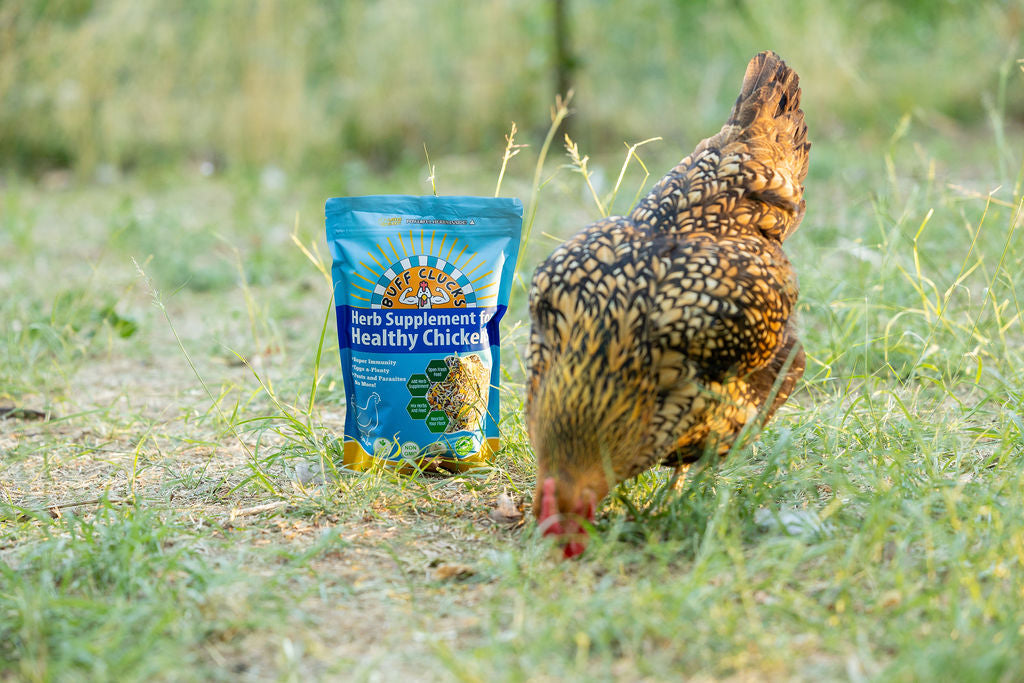
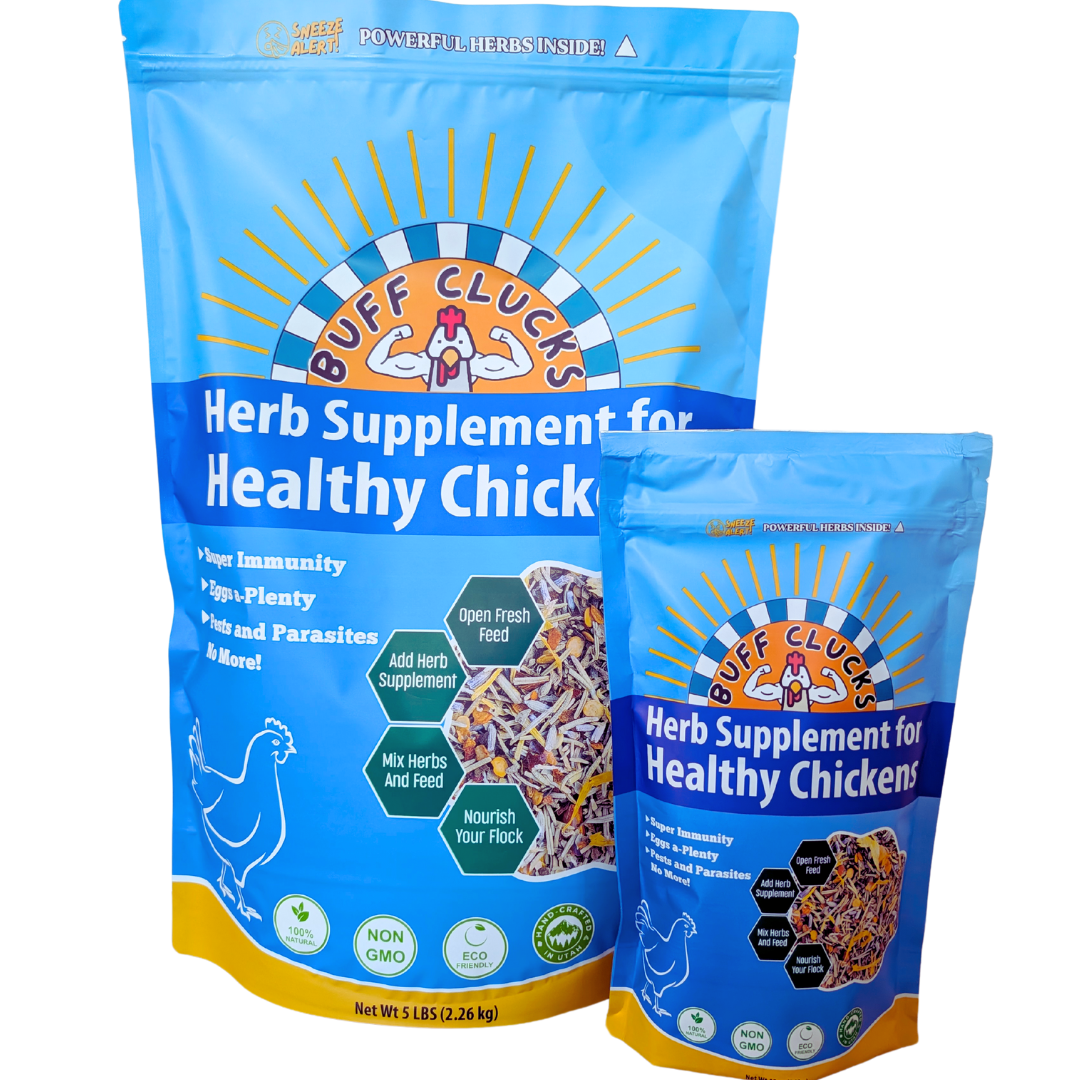
Supporting birds from the inside helps them cope with indoor living and seasonal stress. Buff Clucks Herb Supplement fits naturally into winter routines by supporting digestion and overall resilience when birds spend more time inside the coop.
Should You Use the Deep Litter Method in Winter
The deep litter method in winter is not an all-or-nothing decision. It works wonderfully for some coops and poorly for others. Climate, ventilation, and management style decide the outcome far more than enthusiasm.
Skip deep litter if damp conditions dominate your winters, or if airflow cannot be improved. Choose frequent bedding changes instead. Use deep litter confidently when dryness and ventilation stay on your side.
A Realistic Deep Litter Mindset
Deep litter rewards consistency, not neglect. It simplifies winter chores but never replaces awareness. Think of it as a partnership between the keeper, chickens, and microbes, all doing their part.
When managed thoughtfully, the deep litter method for winter adds comfort, insulation, and a smoother cold season without turning your coop into a frozen experiment. Pair smart bedding habits with moisture control from CoopShield or hydration support like AquaBoost during cold snaps, and winter coop care starts feeling a lot more manageable.
Happy hens, warmer toes, and fewer emergency clean outs make winter something to cluck about.