Cold-Hardy Chicken Breeds for Backyard Winters
Cold-hardy chicken breeds can turn winter from a coop catastrophe into a feathered flex. When snow starts falling, and waterers threaten to become ice sculptures, the right Chicken Breeds keep laying while others file formal complaints with management. Choosing wisely means fewer frosty combs, fewer drama queens, and more eggs in your mittened hands.
What Makes Cold-Hardy Chicken Breeds Truly Winter Ready
Cold-hardy chicken breeds are basically the puffy coats of the poultry world. They come equipped with the kind of natural insulation and body structure that laughs in the face of icy winds. Science and seasoned keepers agree that certain traits consistently show up in birds that thrive in winter.
Bigger bodies hold heat better, which makes heavy dual-purpose hens excellent winter companions. Smaller combs reduce frostbite risk, especially when temperatures dip below freezing for days at a time. Dense feathering traps warmth and helps maintain comfort without extra fuss.
Common winter winning traits include:
- Smaller combs, such as pea or rose combs
- Heavier body weight
- Dense layered feathers
- Calm temperament for indoor months
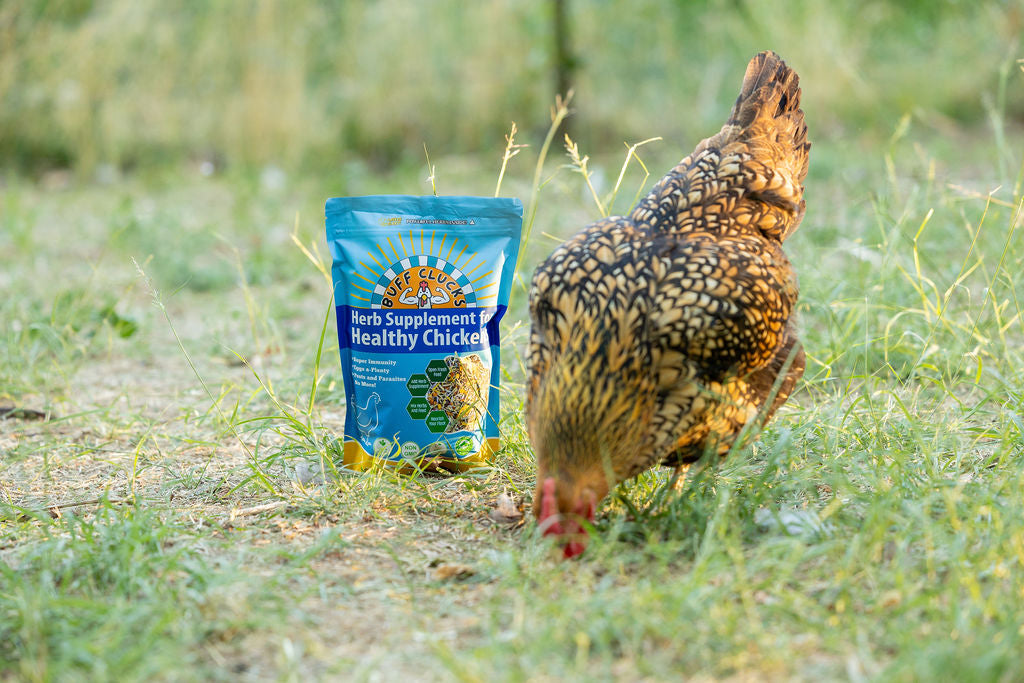
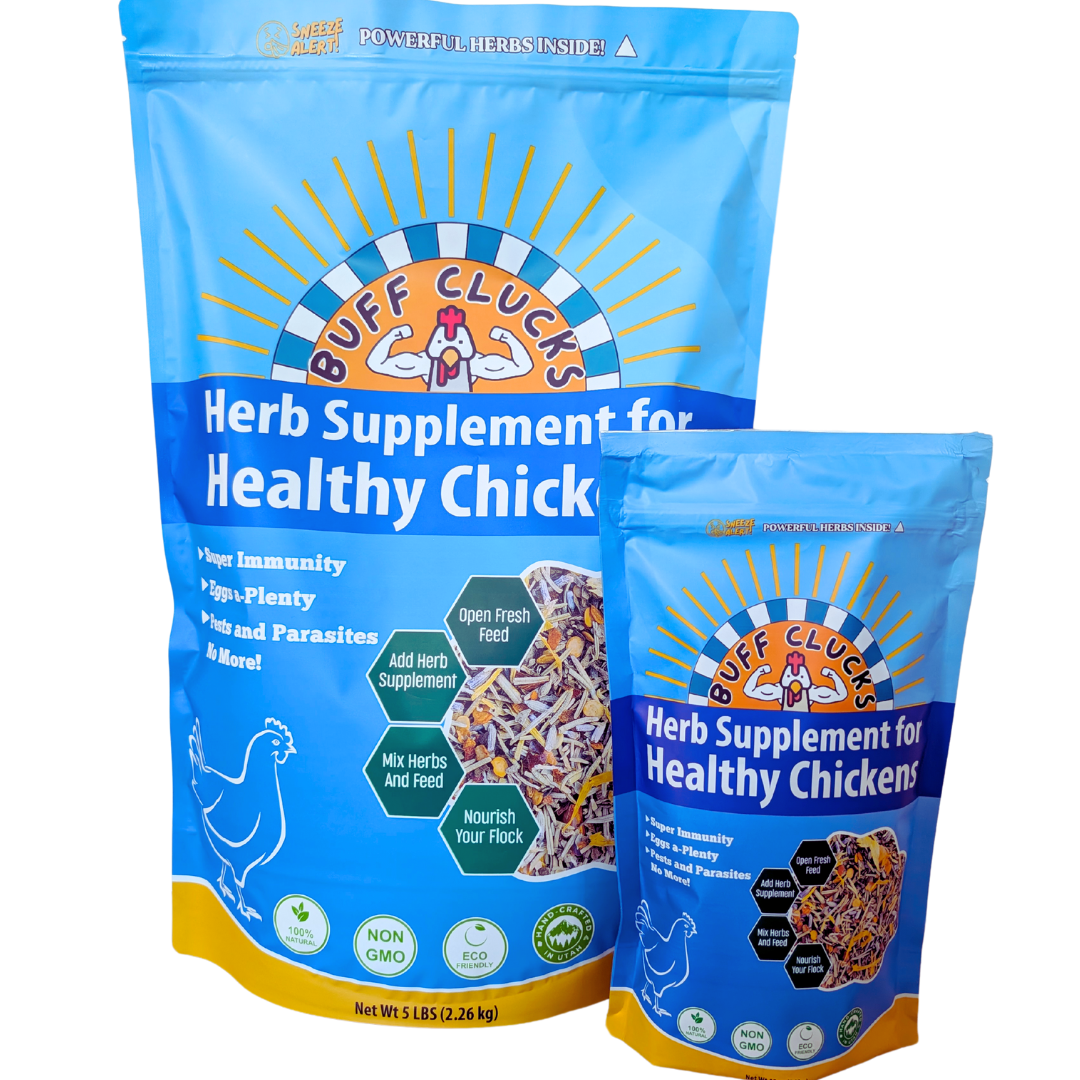
Breeds like Orpingtons, Wyandottes, and Australorps often strut through snow like it is just decorative confetti. Even these cold queens benefit from steady nutrition and immune support, and Buff Clucks Herb Supplement can help maintain strength when daylight shrinks and stress tries to sneak in.
Chicken Breeds That Struggle in Cold Conditions
Some Chicken Breeds were clearly designed for sunshine and olive groves, not snow boots. Lighter-framed birds with large single combs lose heat faster and are more prone to frostbite when temperatures plunge. They can absolutely thrive, but they require more hands-on winter management.
Leghorns
Leghorns are egg-laying legends and productivity queens through most of the year. Their large single combs, however, are highly susceptible to frostbite in freezing climates. They also tend to be more active and flighty, which can increase stress during long periods of winter confinement.
Minorcas
Minorcas bring elegance and impressive comb size to the coop, but that dramatic headgear becomes a liability in harsh cold. Large exposed wattles and comb tissue freeze quickly without excellent moisture control. They also prefer warmer climates and may slow egg production significantly in deep winter.
Anconas
Anconas are surprisingly hardy and often lay well through winter, but their single comb can freeze in deep cold.Many Mediterranean-style breeds handle heat well, but large combs can frostbite, and winter daylight often slows laying unless you add light. They stay active and alert, so they do best when you keep bedding dry, ventilation balanced, and roost areas draft-free.

Common winter challenges for these breeds include:
- Higher frostbite risk
- Noticeable egg production dips
- Increased stress during confinement
- Greater reliance on careful coop management
Good ventilation and moisture control become non-negotiable when managing these birds. Balanced airflow strategies like keeping the coop dry and cozy without creating drafts. During long indoor stretches, a gentle monthly routine with WormStop – Natural Dewormer for Chickens helps maintain internal balance while birds spend more time in close quarters.
What Matters Most in Chicken Breeds
If you want a simple winter checklist for comparing Chicken Breeds, focus on structure first and sass second. Three traits tell you almost everything you need to know about cold resilience. These physical features quietly determine whether a hen handles January like a pro or like a diva.
Body Mass
Heavier hens act like feathered furnaces, conserving warmth far better than slim, flighty birds. Dual-purpose breeds often shine here because they carry more body mass and insulation; that extra fluff is not just cute, it is practical.
Comb and Wattle Size
Large single combs look fabulous in summer photos, but can suffer quickly in deep cold. Smaller combs mean less exposed tissue and lower frostbite risk. When winter bites, compact combs win every time.
Feather Quality
Dense, layered feathers provide better insulation than loose or sparse plumage. Clean, dry bedding amplifies that natural protection, especially when you keep moisture in check. A light sprinkle of CoopShield in bedding helps absorb dampness and keeps the environment fresher during long winter nights.
How Different Chicken Breeds Lay When Winter Hits
Winter egg baskets reveal the real truth about Chicken Breeds. Some hens keep laying like it is business as usual, while others hit pause until spring sends an official memo. Genetics, daylight hours, and nutrition all team up to influence output.
Cold-tolerant dual-purpose breeds often maintain moderate, steady production even in shorter days. High output hybrids may slow dramatically once daylight drops below fourteen hours; that does not mean they are lazy; it just means their biological clock prefers sunshine.
Winter laying improves when you:
- Maintain consistent lighting schedules
- Provide adequate protein
- Reduce stress and overcrowding
- Keep water unfrozen and clean
A protein boost, such as GrubFuel – Black Soldier Fly Larvae for Chickens, supports muscle warmth and feather condition during cold snaps. Clean water with a hydration support like AquaBoost encourages steady drinking, which helps maintain overall health and productivity.

Temperament of Chicken Breeds During Winter Confinement
Winter turns free-ranging adventurers into coop roommates, and personality suddenly matters a lot. Calm breeds tend to handle confinement like seasoned professionals, while high-strung birds may stir up unnecessary barnyard gossip; that shift can influence pecking order harmony and overall stress.
Docile breeds like Orpingtons and Brahmas usually tolerate indoor stretches without too much drama. Flightier birds may show more pacing, pecking, or crankiness when snow blocks their favorite dust bath. Boredom and stress can quietly chip away at both egg production and immune strength.
Adding enrichment, scatter feeding, and maintaining consistent routines keeps energy focused in the right direction. A well-managed environment turns winter from a feud season into a cozy coop retreat.
Choosing the Right Cold-Hardy Chicken Breeds for Your Climate
Selecting the right flock is part research and part honest self-check. If your winters are long and brutally cold,Cold-hardy chicken breeds give you breathing room and peace of mind. If your climate only flirts with frost, you have more flexibility.
Ask yourself practical questions before committing:
Do temperatures regularly drop below freezing for extended periods?
Is your coop dry, draft-free at roost level, and properly ventilated near the roof?
Can you consistently monitor combs and wattles for early signs of frostbite?
Are you prepared for seasonal egg production dips without panicking?
Do you have a plan to keep water from freezing daily?
Will your flock have enough indoor space to prevent boredom and pecking issues?
Are you willing to adjust feed and protein levels during colder months?
Matching breed traits to your real conditions saves stress later. A balanced flock that includes hardy foundation breeds can anchor your winter performance while a few specialty layers add variety and color.
Winter Reality Check
Cold-hardy chicken breeds offer a smoother winter experience because their structure supports survival without constant intervention. They conserve heat, resist frostbite better, and generally handle confinement with grace, which translates into fewer emergencies and steadier egg baskets.
High-maintenance chicken breeds can still thrive, but they rely more heavily on your management skills. Moisture control, nutrition, and close observation become daily priorities. When you combine smart breed selection with clean housing and consistent care, winter becomes manageable instead of miserable.
Choose birds that fit your climate, prep your coop wisely, and let your hens handle the snow like seasoned professionals. Winter might bring icy mornings, but the right flock keeps the clucks confident and the eggs coming.