Chicken With Respiratory Problems? and What to do about it!
The short answer: Chicken respiratory problems range from mild upper respiratory infections to serious contagious diseases — identifying symptoms early, improving ventilation, and knowing when to seek veterinary care are the key skills for managing respiratory health in your flock.
Is overthinking leaving you asking, "Why do the clucks sound more like wheezes?" Well, if your hens are gasping and puffing like they've just run a marathon without leaving the coop, don’t let it ruffle your feathers! In fact, respiratory problems in chickens are fairly common, but with the right care, your flock will be back to their egg-cellent selves in no time. So, let’s crack this problem wide open and figure out what’s going on in that coop!

Recognizing Respiratory Problems in Chickens
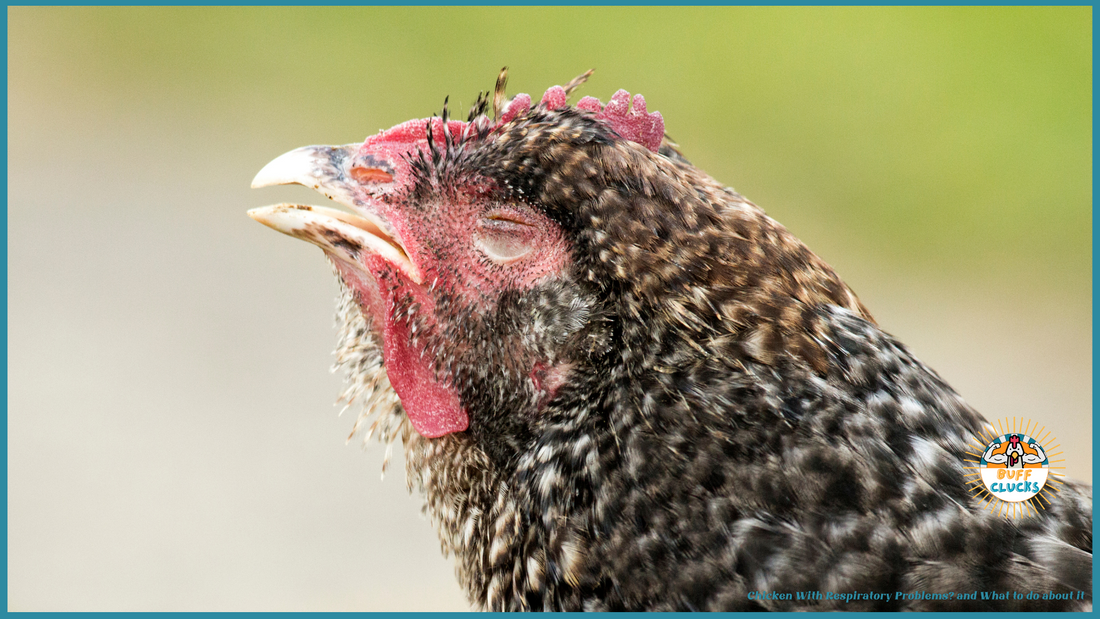
First things first, how do you know your chicken has a respiratory issue? Chickens aren’t exactly chatty when they’re under the weather, but their symptoms can be loud and clear. If you have a chicken with respiratory problems, keep an eye (and ear) out for:
- Coughing and sneezing
- Wheezing or labored breathing
- Nasal discharge
- Swollen eyes or face
- Pale combs or wattles
- Loss of appetite
- Lethargy
- Weight loss or thinning out
- Fewer eggs in the nest
If you spot any of these respiratory problems, it's time to take action. Respiratory issues can escalate quickly, so catching them early is key to keeping your flock healthy and happy. Now that we know what to look for, let’s look into the common illnesses behind these symptoms and what you can do to treat them.

Common Chicken Illnesses to Watch Out For
Chicken with respiratory problems can be caused by a range of sneaky invaders. To begin with, viruses such as Infectious Bronchitis Virus (IBV) and Newcastle Disease Virus (NDV) are two of the most common culprits. Moreover, these viruses can spread rapidly through a flock, leading to symptoms like sneezing, coughing, and reduced egg production.
On the bacterial side, Avibacterium paragallinarum, which causes infectious coryza, and Pasteurella multocida, responsible for fowl cholera, are notorious for wreaking havoc on respiratory systems. Then, there's Mycoplasma gallisepticum, a tricky bacteria-like organism that leads to chronic respiratory disease and can persist in your flock for extended periods.
As for fungi, one of the big offenders is Aspergillus fumigatus, which causes aspergillosis. This fungal infection typically stems from poor ventilation and moldy bedding, and it can lead to severe respiratory distress. Want to keep these pests from making your coop their home? Try using CoopShield—Diatomaceous Earth and Herbs for Chickens, which can help reduce dust and moisture while also offering a natural barrier against mites and lice!
That said, it's important to stay vigilant. The numbers show just how widespread this can be, morbidity rates (the number of chickens that get sick) can hit between 10-20%, while mortality rates (the chickens that don’t survive) usually range from 5-10%. So while most chickens will recover, it’s still a serious concern that can affect the overall health and productivity of your flock.

What to Do if Your Chicken Has Respiratory Problems
So, your chicken sounds like it’s auditioning for a spot in the local wheeze-and-sneeze choir? No need to panic, but it’s time to take some action before the whole coop joins the band. Here’s your guide to helping a chicken with respiratory problems breathe easy again.
Separate the Sick Chicken With Respiratory Problems
First things first, get that sick chicken into quarantine! Respiratory illnesses spread faster than gossip in the henhouse, so move your unwell chicken to a cozy, separate area. This prevents the rest of the flock from catching the same bug and gives the patient a chance to rest and recover without the stress of being around others.
Improve Ventilation
Stale air is a respiratory infection's best friend. If your coop feels like a stuffy closet, it’s time to freshen things up. Make sure there’s plenty of airflow by opening windows, adding vents, or even installing fans if needed. You can also sprinkle some CoopShield to absorb moisture and reduce ammonia buildup. Chickens need a steady stream of fresh air to keep their lungs healthy!
Keep the Coop Clean
Dust, mold, and damp bedding are respiratory irritants that can worsen conditions for a chicken with respiratory problems; in fact, you’re practically rolling out the red carpet for infections. Therefore, get into the habit of cleaning your coop regularly. Start by removing droppings, replacing wet bedding, and scrubbing down surfaces with natural cleaners like vinegar. A fresh, dry coop = happy, healthy chickens. healthy chickens.

Provide Nutritional Support
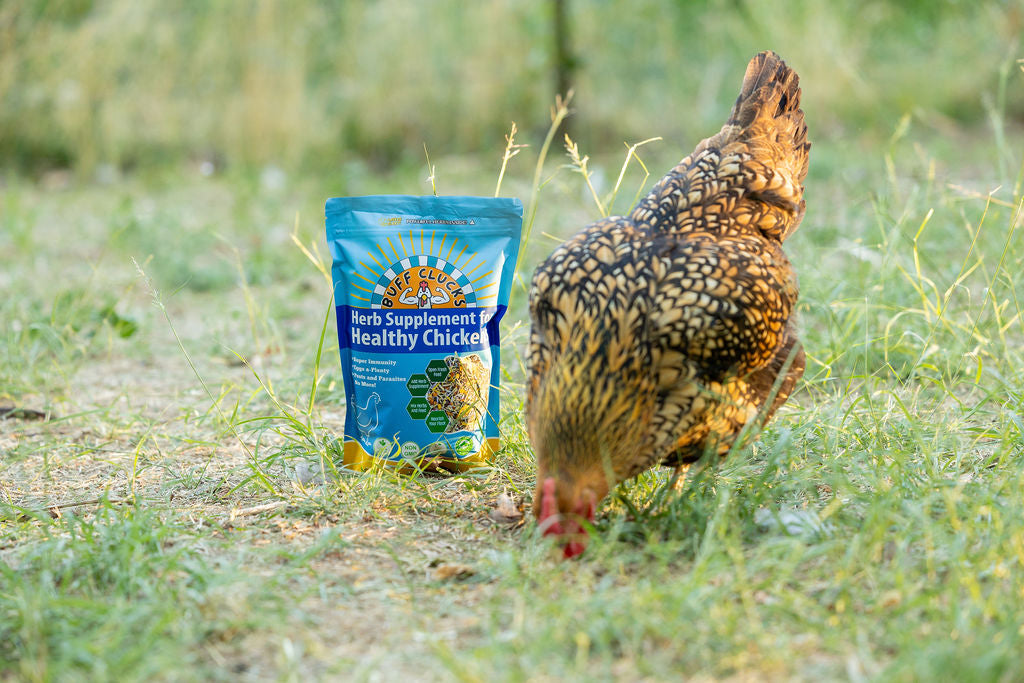
Just like us, chickens need a strong immune system to fight off infections. Boost their diet with extra vitamins and supplements, like garlic or oregano (which doubles as a natural antibiotic). Want an easier way to get the benefits of oregano? Try adding Herb Supplement for Backyard Chickens to their feed, it’s packed with immunity-boosting herbs to help your flock stay healthy and resilient. Additionally, don’t forget their water! AquaBoost—Water Supplement for Backyard Chickens can give them the hydration and nutrients they need to bounce back from illness.
Consult a Vet
If your chicken isn’t improving or starts showing more severe symptoms, it’s time to call in the pros. Don’t wing it when things take a turn for the worse, reach out to an avian vet who’s familiar with poultry. They can prescribe antibiotics or other treatments specific to the respiratory issue at hand. Your chicken might need a little extra help getting back to its clucking, egg-laying self.
Monitor the Rest of the Flock
Even though you’ve separated the sick bird, it’s important to keep an eye on the rest of your flock for any signs of illness. Respiratory problems can spread quickly, and early detection is important to keep things from spiraling out of control. Be proactive, check your chickens daily for any coughing, sneezing, or unusual behavior.
By following these steps, you can not only nurse your chicken back to health but also turn your coop into a thriving sanctuary. Think of it as a little chicken rehab, with your love and care, they’ll bounce back stronger and more vibrant than ever! And in return, your flock will reward you with a bounty of fresh eggs.
Frequently Asked Questions: Chicken Respiratory Problems
What are signs of respiratory problems in chickens?
Common signs include: wheezing or rattling sounds when breathing (audible from across the coop in severe cases), nasal discharge (clear to thick and cloudy), swollen sinuses visible as facial puffiness, sneezing — occasional sneezing is normal, frequent sneezing is not, open-mouth breathing or extended neck during breathing, reduced appetite and egg production, and lethargy. Multiple birds affected simultaneously suggests a contagious cause.
Is sneezing normal in chickens?
Occasional sneezing is normal — chickens sneeze to clear dust and debris from their respiratory tract, particularly in the morning as they leave a coop that accumulated dust and ammonia overnight. Concern is warranted when: sneezing is frequent throughout the day, accompanied by nasal discharge, multiple birds are sneezing, or sneezing is combined with other symptoms like lethargy or reduced production. The pattern matters more than individual incidents.
What is the most common chicken respiratory disease?
Mycoplasma gallisepticum (MG) is widely considered the most prevalent infectious respiratory disease in backyard flocks. It causes a chronic, low-grade illness: mild rattling, nasal discharge, swollen sinuses, and general decline in production and health. Unlike acute viral infections, MG is manageable with antibiotics (tylosin, tetracycline) but not curable — treated birds remain carriers and can infect new birds added to the flock.
How do I improve coop air quality to prevent respiratory problems?
The most impactful intervention is improving ventilation — adding or opening vents positioned above roost bar height to allow ammonia and moisture to escape without creating drafts on roosting birds. Reduce bedding moisture by spot-cleaning droppings under roost bars frequently and replacing damp areas. Use absorbent bedding like pine shavings. Avoid overcrowding. Monitoring with your nose is effective: if you smell ammonia when entering, your birds are breathing it constantly.
When should I call a vet for a chicken with respiratory problems?
Seek veterinary care when: multiple birds develop symptoms simultaneously (suggests contagious disease), symptoms include significant facial swelling or eye discharge, a bird is open-mouth breathing or shows distress, symptoms don't improve after environmental improvements (better ventilation, reduced ammonia), or birds are dying. Respiratory disease in a flock can escalate rapidly — early veterinary diagnosis identifies the pathogen and guides appropriate treatment before the whole flock is affected.