Winter Egg Production Of Chickens Explained
Winter egg production is the point in the season when nest boxes start echoing, and flock owners start questioning every life choice that led them to chickens. One week, eggs are rolling in; the next week, winter egg production of chickens slows to a crawl, and the girls act completely unbothered. This shift feels dramatic, but it is not random, and it is definitely not your hens being lazy.
Chicken egg production in winter follows biology first, comfort second, and convenience last. Shorter days, quiet stress, and changing nutritional demands all work together to press pause on laying. Once you understand how those pieces connect, the winter egg slump stops feeling like a problem and starts feeling predictable.
Why Daylight Controls the Laying Cycle
Chicken egg production in winter slows because daylight shortens, not because temperatures drop. Hens rely on light exposure through their eyes to trigger the hormones responsible for ovulation. When daylight dips below about fourteen hours, the reproductive system receives a clear signal to conserve energy.
Inside the brain, the pineal gland responds directly to light cycles. Fewer daylight hours tell the body that winter has arrived, and resources should shift toward warmth, immune defense, and feather maintenance instead of egg creation. This happens even in warm climates where cold is barely an issue.
Cold weather often takes the blame, but dry, well-fed hens tolerate low temperatures surprisingly well. Winter egg production drops because biology is protecting the long game, not because your coop got chilly.
Artificial Light Can Support Egg Production If Used Wisely
Supplemental lighting is one of the few tools that truly influences winter egg production of chickens. A small light on a timer can extend perceived daylight and gently encourage laying hormones to stay active.
Timing matters more than brightness. Adding light in the early morning works better than late evening because it mimics a natural sunrise and protects normal roosting behavior. Sudden schedule changes or overly bright bulbs create confusion and stress, which cancels out any benefit.
Think of light as encouragement, not pressure. Hens still need rest periods to stay healthy through winter and bounce back strong in spring.

Stress Is the Silent Egg Thief
Winter stress rarely announces itself, but it quietly steals eggs all the same. Elevated stress hormones directly suppress reproductive hormones, which means even well-fed hens with proper lighting can stop laying.
During winter, stress tends to stack up. Space shrinks when birds stay indoors longer. Damp bedding increases ammonia. Water freezes unexpectedly. Pecking order drama intensifies when boredom creeps in. None of these alone seems severe, but together they quietly undermine chicken egg production in winter.
Hens always prioritize survival over eggs. Calm routines, dry housing, fresh air flow, and predictable care reduce stress and support winter egg production far more effectively than forcing changes.
Nutrition Shifts Shape Winter Egg Production
Eggs are expensive to make. Protein, calcium, fats, and trace minerals all need to be available and absorbed efficiently. During winter, hens burn more calories staying warm and often absorb nutrients less efficiently due to stress and reduced gut activity.
Protein becomes the biggest limiting factor. Feathers, immune response, and eggs all compete for amino acids, and when protein falls short, egg production pauses first. Calcium remains important even during a slowdown because bone reserves rebuild before shells ever return.
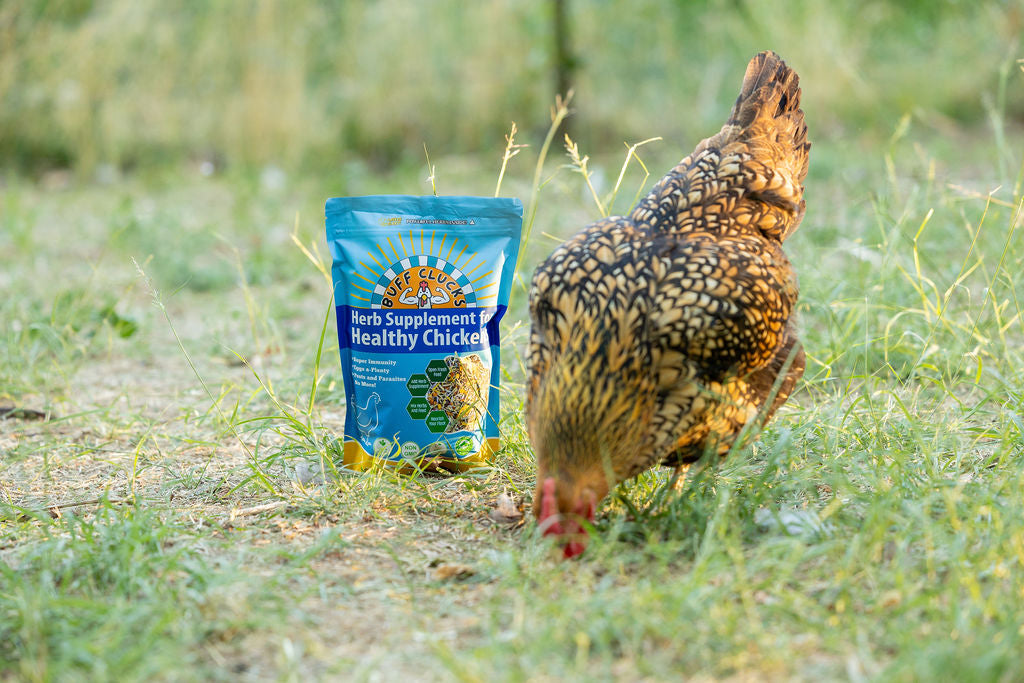
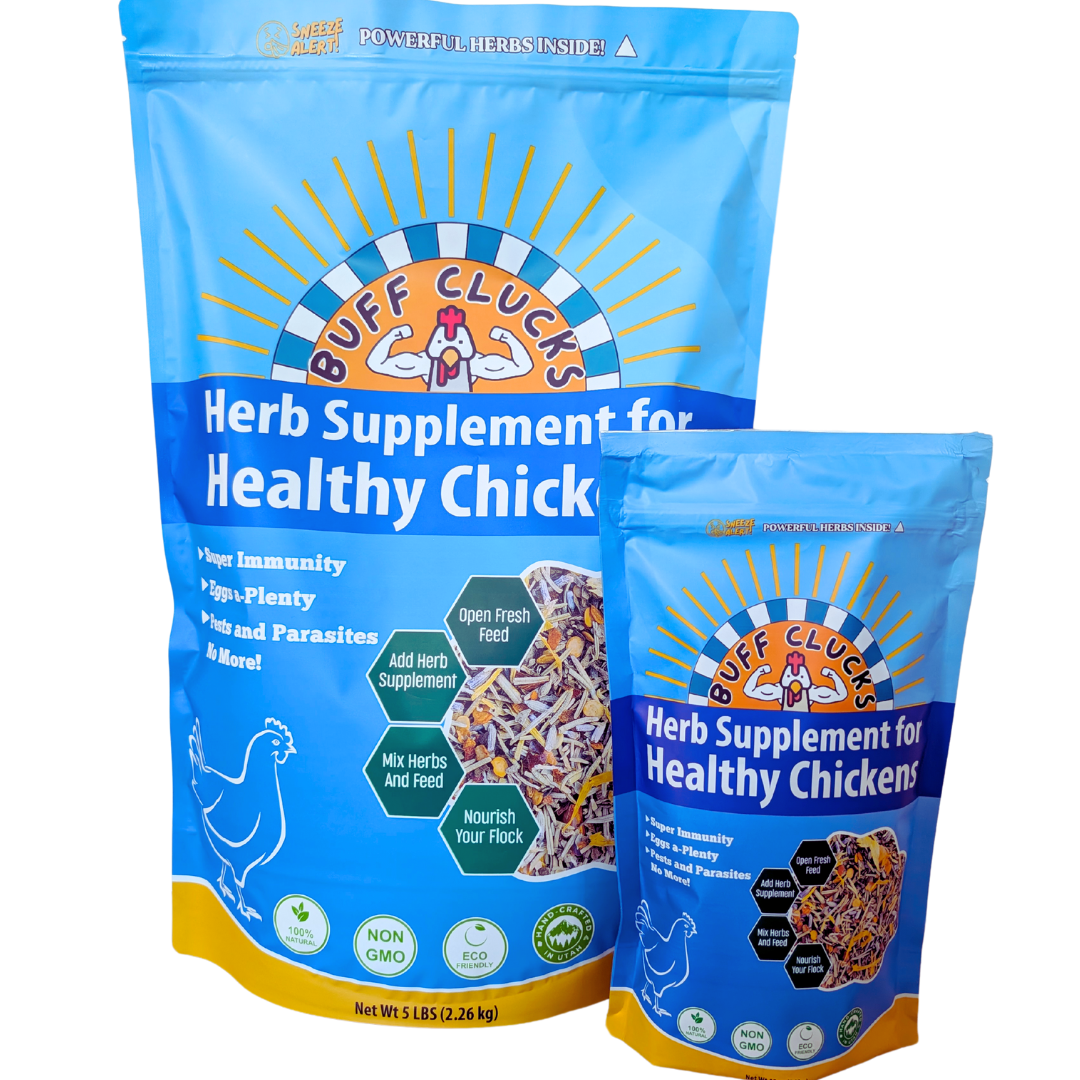
Digestive efficiency matters just as much as what goes into the feeder. A supported gut pulls more nutrition from the same feed. Many keepers add Buff Clucks Herb Supplement during winter to support digestion and nutrient absorption naturally, helping hens make better use of their diet without forcing production.
Why Feathers Come Before Eggs in Winter
Winter egg production of chickens often overlaps with molting, and molting always takes priority. Feather regrowth demands huge amounts of protein and energy, leaving nothing spare for eggs.
During molt, laying pauses by design. The body redirects nutrients toward building dense, insulating feathers that protect hens through colder months. Pushing for eggs during this phase slows feather recovery and delays the eventual return to laying.
Supporting feather growth speeds the process along. Once molt finishes and daylight stabilizes, winter egg production may resume naturally if stress and nutrition are balanced.

Water Access Quietly Controls Egg Production
Chicken egg production in winter depends heavily on hydration. Eggs are mostly water, and even mild dehydration can shut down laying quickly.
Frozen or inconsistent water access is one of the most common winter mistakes. Hens drink less when water is difficult to reach, partially frozen, or constantly changing locations. That small disruption can stall egg production for days.
Reliable water access matters more than temperature. Regular checks, raised containers, and ice management protect winter egg production. Some flock owners rotate AquaBoost during colder months to encourage steady drinking and support hydration during stressful weather shifts.
When a Winter Egg Slump Is Completely Normal
Not every winter slowdown needs fixing, and in many cases, it would be a mistake to interfere. For a large portion of backyard flocks, winter egg production naturally pauses and resumes once conditions line up again. This is especially true for mature layers that have already logged a few productive seasons.
A winter egg slump is considered normal when egg production pauses and then returns after these natural resets happen:
- Daylight hours begin increasing again
- Molting fully wraps up, and feathers finish growing
- Environmental and social stress levels settle down
- Nutrient reserves rebuild after winter energy demands
Younger hens may continue laying lightly through winter, especially during their first year, while older hens often take a longer and more noticeable break. Neither is wrong; it is simply biology doing its thing.
This rest period is not wasted time. Hens that are allowed to pause properly during winter egg production often rebound with stronger shells, better consistency, and fewer issues once spring kicks the coop door back open.
How to Support Egg Production Without Forcing It
The most effective approach to winter egg production feels steady and supportive, not aggressive. Small adjustments matter more than drastic changes.
Focus on consistency. Maintain quality feed, keep bedding dry, offer protein-rich treats in moderation, and extend daylight gradually if you choose to use lighting. Reinforcing nutrition rather than simply increasing quantity keeps hens balanced through winter stress.
Seasonal digestive support helps many flocks, and a simple addition like Buff Clucks Herb Supplement can bridge winter gaps when natural foraging disappears and gut efficiency dips.

Signs the Winter Egg Slump Needs a Closer Look
Most winter egg slumps are perfectly normal, but a handful of red flags suggest something more than seasonal biology is going on. When these signs appear, winter egg production may be dropping due to nutrition gaps, parasites, or environmental stress rather than daylight alone.
Pay closer attention if you notice any of the following:
- Sudden or ongoing weight loss
- Pale or shrunken combs and wattles
- Persistently thin, soft, or misshapen shells
- Lethargy that lasts beyond a few cold days
- Poor appetite or reduced water intake
Catching these issues early keeps a temporary winter slowdown from turning into a long-term production problem and helps your hens bounce back before spring laying should naturally ramp up.
How Winter Care Builds Better Spring Laying
Winter egg production is not just about eggs today. It shapes how strong and steady spring laying will be. Hens that rest properly during winter often rebound faster and lay more consistently once daylight returns.
Think of winter as conditioning season. Calm routines, steady nutrition, and low stress now lead to fuller baskets later. Eggs always come back faster when hens feel safe, nourished, and blissfully unbothered by coop chaos.