Broody Hen in Winter: What to Do When Motherhood Strikes
Broody hen in winter behavior can hit your coop like a surprise snowstorm, especially when your hen decides February is prime baby-making season. One minute, she is lying like a breakfast superstar, the next she is puffed up like a feathery marshmallow, growling at anyone who dares approach her nest. Winter broodiness is not the norm, but when it happens, it demands a cool head and a warm coop.
Let us crack into why it happens, what can go wrong, and how to manage a determined mama without turning your henhouse into an icebox nursery.
Why a Broody Hen in Winter Decides It Is Spring
A broody hen runs on hormones, not weather forecasts. When prolactin levels rise, instinct takes over, and suddenly she is committed to motherhood, whether the ground is frozen or not. Shorter days usually slow things down, but certain breeds treat the calendar like a polite suggestion.
Some hens are famous for their devotion to the nest. Breeds like:
- Silkie
- Cochin
- Orpington
…will happily sit through sleet, snow, and side eye from the rest of the flock. If you keep one of these fluffy overachievers, winter broodiness is not shocking; it is practically tradition.
Supplemental lighting in the coop can also confuse the system. If your hens are getting extended daylight, their bodies may think spring has sprung, even if your boots are still crunching through frost.
The Real Risks of a Broody Hen in Winter
A broody hen in winter faces challenges that her April sisters never have to consider. The biggest concern is simple and serious: chicks cannot regulate their body temperature well during their first weeks of life. If the air is biting and the bedding is damp, those tiny fluff balls are at risk fast.
Winter hatching comes with real hazards:
- Hypothermia in chicks
- Frostbite in extreme cold
- Damp bedding leading to respiratory stress
- Limited forage and lower calorie intake
- Higher chick mortality in harsh climates
Cold alone is not always the villain; moisture is. A draft-free but well-ventilated coop is essential because trapped humidity freezes and creates frostbite conditions even when temperatures are not arctic.
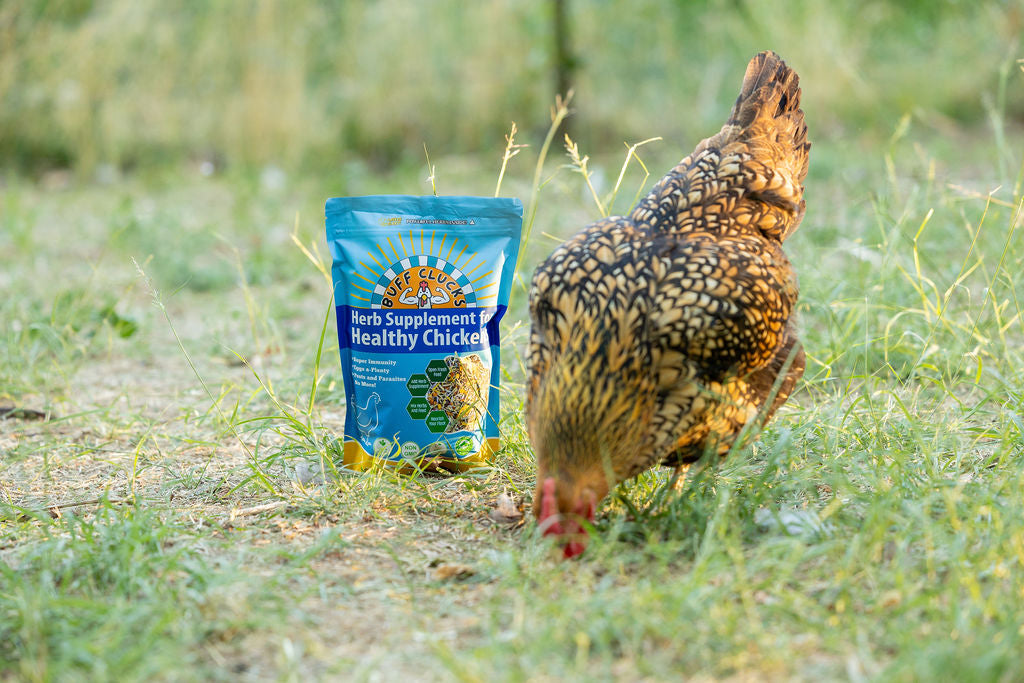
Nutrition matters too. A broody hen eats and drinks less while she is sitting, which means she burns through body reserves quickly. Keeping her strong going into winter with consistent feed support, including Buff Clucks Herb Supplement, helps her handle broodiness without looking like she just ran a marathon in snow boots.

Should You Let a Broody Hen Hatch in Winter
This is where heart and practicality have a little coop meeting. If you live in a mild climate with above-freezing winters and a dry, secure setup, winter hatching can succeed. Hens are incredible mothers, and some handle chilly temps like seasoned farmyard pros.
If your winters involve snowdrifts, frozen waterers, and wind that whistles through every crack, spring may be the wiser waiting room. Artificial brooding indoors with a heat plate is often more predictable than trusting February to behave itself.
Before giving her the green light, ask yourself:
Is my coop fully winter-ready and dry?
Can I safely separate her and the chicks?
Do I have a backup warmth plan?
Am I prepared for extra feed and bedding needs?
Honest answers save heartache. Winter motherhood is doable, but it requires planning that would impress even the most organized hen.
How to Break a Broody Hen in Winter Without Drama
If you decide winter is not the time for peeping chicks, you can gently reset her instincts. The goal is to cool her brood patch slightly and interrupt the hormonal cycle, not to stress her into next Tuesday.
Remove her from the nest several times a day and encourage movement. Some keepers use a raised wire bottom crate for a few days to increase airflow under her belly, which often helps lower that broody determination.
Keep the process steady and kind. Make sure she has full access to food and water, and consider adding AquaBoost – Electrolytes and Probiotics for Backyard Chickens to encourage hydration and support recovery as she shifts back into her normal routine.
Most hens snap out of it within a few days when managed consistently. Once the spell breaks, she usually returns to scratching and gossiping as if nothing happened.
If You Let a Broody Hen in Winter Hatch
If you decide to support her winter nursery dreams, preparation becomes your best barnyard buddy. Planning ahead makes the difference between cozy chicks and chilly chaos.
Set Up a Private Broody Space
Move her to a draft-free, dry area where she can sit undisturbed. Isolation protects chicks from flock pecking and ensures she does not have to defend their nest like tiny feathery gladiators.
Use deep, clean pine shavings and keep bedding dry at all times. A light sprinkle of CoopShield — Herbal Pest Defense for Chickens in surrounding areas helps control moisture and discourages mites, which is especially important since chicks have delicate skin.
Fuel Her Like a Winter Warrior
Motherhood is hard work, and winter adds extra calorie demands. Once chicks hatch, offer a quality chick starter that mama can nibble on as well, so she regains strength while supervising snack time.
A small side serving of GrubFuel – Black Soldier Fly Larvae for Chickens provides an easy protein boost that helps her rebuild muscle and maintain body heat. Keep feed and water close so she does not leave chicks exposed for long stretches.
Stay Ahead of Parasites
Even in cold weather, parasites do not pack up and leave. Confinement increases exposure risk, so maintaining gut health matters. A monthly seven-day course with WormStop – Natural Dewormer for Chickens supports internal balance without disrupting egg use later on.
Watch her body condition carefully. If her breastbone becomes prominent or her comb pales dramatically, step in with additional nutritional support.

When to Step In Quickly
Even the most dedicated broody hen in winter can hit a rough patch. Early intervention keeps small problems from snowballing.
Act fast if you see:
- Chicks huddling and peeping loudly from the cold
- Wet, ammonia-smelling bedding
- Hen refusing to eat or drink
- Frostbite forming on the comb or wattles
- Sudden chick losses
Backup indoor brooding may become necessary if temperatures plunge unexpectedly. Flexibility is your secret weapon when winter throws a curveball.
Instinct Meets Common Sense
A broody hen is simply following her biological script. Winter just adds a plot twist that requires a little extra management and a lot of common sense.
Healthy hens going into winter handle stress better, which is why year-round nutrition, clean bedding, and parasite prevention matter long before broodiness strikes. Consistent care builds resilience, and resilient hens make better mamas, even in February.
Final Thoughts on a Broody Hen in Winter
Broody hen in winter behavior is not a crisis; it is a cue to assess your setup and make a thoughtful decision. Whether you break her broodiness or support her snowy nursery dreams, focus on warmth, dryness, nutrition, and calm handling.
Winter may be cold, but with smart coop management and a little Buff Clucks know-how, you can keep motherhood from turning into a frozen fiasco. When you plan ahead and act with intention, even February can feel like a safe season for your flock to thrive.